THE CLASSIC COLLECTION✦My diaries, being a personal narrative of events 1888-1914, Part 2 (1900-1914)CLASSIC FREE BOOKS
My diaries, being a personal narrative of events 1888-1914, Part 2 (1900-1914)
Wilfrid Scawen Blunt
THE CLASSIC COLLECTION · 1915
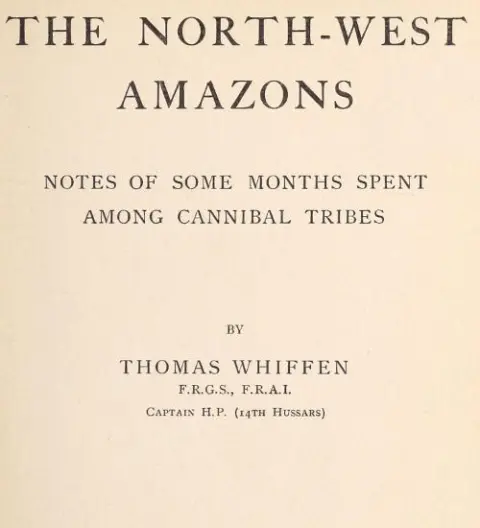
"The North-West Amazons: Notes of some months spent among cannibal tribes" by Thomas Whiffen is a historical account written in the early 20th century. The work details the author's months spent exploring the remote regions near the upper Amazon River, specifically focusing on the cannibal tribes and their cultures. Whiffen shares his observations of the tribes' customs, daily life, and interactions with nature, providing readers with an ethnographic glimpse into a largely untouched world. At the start of the narrative, Whiffen recounts his motivations for embarking on this journey following a period of unemployment due to ill health. He reflects on previous travel experiences and the influence of Dr. Alfred Russel Wallace's writings, which inspired him to explore the Amazon. Arriving in Manaos, he quickly realizes the challenges of accessing the interior and securing a reliable party, and the narrative unfolds with his detailed accounts of the difficulties faced in navigating the forest, river routes, and the dynamics with local tribes. The opening section sets the stage for an immersive exploration of the Amazonian wilderness and the indigenous peoples residing there, capturing both the allure and the difficulties of his expedition.
Introduction adapted from the source catalogue; source summaries may be automatically generated.
Free to read · English · 110,454 words · No account needed
MAKE TIME FOR A GOOD BOOK
On by default. Untick to stop anonymous reading totals. Each page counts after 10 seconds in view. How this works.
Anonymous counting is on unless you have switched it off.
Alligator pear Nomedo
Coca Hibia
Cocoa Museje
Fruit (general) Rie
Grape fruit Hurekoi
Gum (rubber milk) Hittie
Leaves Rape
Maize Bechado
Mango palm Himeki
Mango palm drink Hayabei, hagapui
Manioc (poisonous) Maika
Palm Amena
Palm Himepile, hitiji
Palm drink (pjnayo) Himepwi
Palm-spines Edo
Pepper Ifigo
Pineapple Rosiji
Plantain Ogoda
Plum Nemawsi
Rubber Isire
Rubber latex Hittagei
Sugar-cane Kananoganei, kononga
Sugar-cane juice Kananogan’heinowei, kononochiki
Tobacco Deui
Tree Inya
Trees, felled Amena
Tree poles Neda
Withe Vineihi
Bird (small generally) Siji
Bird (small unknown species) Iguyitoi
Bird, cock Eitaba
Birds (small game) Ataba
Birds, chickens Ataba hissa
Capybara Okeina
Curassoa Eifoke
Deer (one species) Kito
Deer (generally) Chaota
Eggs (generally) Herga
Eggs (one kind) Ataba hige
Fish (general) Jukua
Jaguar Hekko
Monkey (general) Homa
Monkey (one species) Hemwi
Monkey, small Hidobe
Parrot Kwiyoto
Parrot (another kind) Kweko, Uiyike
Pig Mero
Pig, small Emo
Spider Humakinyo
Tapir Zuruma
Tiger, dog, etc. Hekko
Turkey Muitoka, muito
Turkey (another kind) Egwe
Turkey Buzzard Eifoke
Boy Toii
Girl Rinyosa
Lad Hivisa
Man Rema
Man, old Weikiroma-superoma
Man, strong Reima
Men, white (Europeans) Riei, riama
People Komweine
Stranger Oikommo
Stranger, an enemy Ikagmake
Stranger, a friend Cheinama
Woman Rinyo
Woman, old Weirinyo-irokwe
Brother--
Man speaking Ama
Woman speaking Tio
Brother-in-law Oima
Child Hito
Father Moma
Grandfather Marama
Grandmother Einyoko
Husband Une
Mother Einyo
Nephew--
Brother’s child Enasai
Sister’s child Komona
Niece--
Brother’s child Enasanyo
Sister’s child Momonio
Sister--
Man speaking Mirinyo
Woman speaking Epunyo
Sister-in-law Ofanyo
Uncle--
Father’s brother Iso
Mother’s brother Vichama
Wife Ei
Anus Sirafo
Arm Onawji
Fore-arm Onefai
Belly Ero
Blood Dueidi
Body Namaseapwi
Bowels Hepe
Clitoris Hito
Ears Efo
Eyes Uise
Face Uyeko
Feet Elba, epa
Finger Onoko
Flesh Jukua
Hair Ifoterai
Hair (body) Heinektere (!), heineitere
Hair (face) Eimago
Hair (pubic) Hueke
Hand Ono
Head Ifo
Heart Komeke
Limbs Rueisi, reesi
Mouth Fue
Nails Onokobi, onopeko
Nails (toe) Ekobe
Navel Modda
Neck Kimo
Nose Dofo
Penis Hechina
Pudenda Jana
Semen Uke
Skull Ifoku
Teeth Isido, isife
Testicles Hinyergo
Tongue Hufe
Urine Poji
Vagina Berirafo
Ague Fuibuiko Diarrhœa Nuimuisa, Jui, chui Illness Duide, tuike Small-pox Guiyoko, tutuko
Bark cloth Vinei Beads Sirie Breech cloth Mokoto, makuto iroi, hinoi-giroi Clothes (general) Uiniroi Cord (belt) Kirige Feather head ornaments Eniago Necklace, dance Chikai Necklace of seeds Imaidu Necklace, of teeth Efoke Slippers, boots Epa iko Socks Epa iko (see Feet and Cap) White man’s cap Ifoigiko, ifoiko, iko White man’s shirt Kaifofero
Baking-pan Sipe
Cassava Tano
Firewood Rege
Hammock Kunei
House Hofo
House, large Ejo hofo
Hut Hiochupe
Light (artificial) Maha
Lighted torch Maha
Mat Duriei
Pot Inogo, ichuki
Thatch Ereije
Tobacco-pot Kuruke
Torch Rekekawdo, rekeketo, recheki
Your reading position is saved on this browser. Take it to another device with a library code. Reading pages adapt to text, rather than matching a printed edition.
BEHIND THE BOOK
This eBook is for the use of anyone anywhere in the United States and most other parts of the world at no cost and with almost no restrictions whatsoever. You may copy it, give it away or re-use it under the terms of the Project Gutenberg License included with this eBook or online at www.gutenberg.org. If you are not located in the United States, you will have to check the laws of the country where you are located before using this eBook. Read the source licence.
The original source file, including credits and licence, is retained by this library. Request an original-format copy at no charge. Please include the book title and Project Gutenberg identifier #55540.
KEEP YOUR CURIOSITY GOING
Wilfrid Scawen Blunt
Wilfrid Scawen Blunt

E. W. (Edgar Watson) Howe
Cécile Tormay

Moritz Busch
John L. Ransom