THE CLASSIC COLLECTION✦My diaries, being a personal narrative of events 1888-1914, Part 2 (1900-1914)CLASSIC FREE BOOKS
My diaries, being a personal narrative of events 1888-1914, Part 2 (1900-1914)
Wilfrid Scawen Blunt
THE CLASSIC COLLECTION · 1898
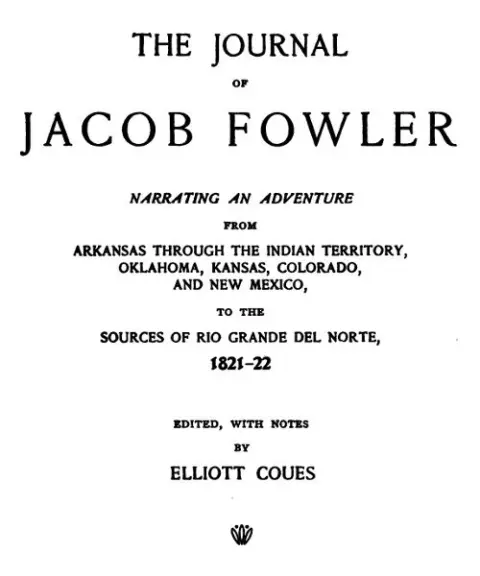
"The Journal of Jacob Fowler" by Jacob Fowler is a historical account documenting a remarkable journey through the American West during the early 19th century. The narrative covers Fowler's expedition from Fort Smith through various territories, including Arkansas, Oklahoma, Kansas, Colorado, and New Mexico, in 1821-22. The text provides a firsthand account of the challenges faced and observations made by the author and his companions as they navigate uncharted territories and encounter both natural obstacles and indigenous peoples. The opening of the journal introduces readers to the initial stages of this adventurous journey, beginning on September 6, 1821. Jacob Fowler describes crossing rivers, traversing rich lands, and encountering both wildlife and challenging terrain, often while battling harsh weather conditions. As the party progresses, they set up camps, forage for food, and contend with the perils of travel, such as losing pack animals and maintaining supplies. The narrative is characterized by Fowler's detailed descriptions and personal reflections, immersing readers in the hardships and triumphs of early American exploration.
Introduction adapted from the source catalogue; source summaries may be automatically generated.
Free to read · English · 48,766 words · No account needed
MAKE TIME FOR A GOOD BOOK
On by default. Untick to stop anonymous reading totals. Each page counts after 10 seconds in view. How this works.
Anonymous counting is on unless you have switched it off.
the Horses out as ushal—Ward [and] Bono killed a buffelow bull Braught In Some of the meat it Was not fatt—taylor Road out to Hunt this morning Has not Returned—the Horses all up at night—
Saterday 26th Jany 1822
Horses out as ushal—this morning a little Cloudy and looks like Rain of Which We Have Seen not more than Wold Wet a mans Shirt Since We left White River in october last taylor Returned—but killed nothing—the Horses all up at night two Bever Ware Caught this day—
Sunday 27th Jany 1822
the Horses Sent out Early I too[k] Pall With me and Road up the north fork on the Warm Spring branch about three miles no Ice to be Seen Except a little on the Shores from Hear I Crossed the Cuntry to the main River a distance of a bout five miles and Struct the River a bout three miles above the forkes Heare the River Has all the appeerence of a Clos Hard Winter the Ice is Close and Strong all over the River down to the forks While below as far as We Have been for a few days the there Is but little Ice to be Seen and a long the Shores—the Watter from the Warm Spring must Shorly be the Caus—five Bever Braught Into Camp this day the Horses all up at night—
monday 28th Jany 1822
the Horses out as ushal and about ten oclock two of the men Came Running In to Camp and Stated the Indeans Ware Cetching all the Horses—Which to us Was very unwelken nuse as part of the men Ware out So that We Cold not Spair men anof to fight them on the Pirarie—but In a few minets the Horses took the alarm and broak from the Indeans and Came Runing to Camp—and Was followed by the Indeans. but Heare the Horses did not stop but took to the Pirarie and the Indeans gave up the Chais—and Came to us as frends—the Ware the Same party of Crows that Ware With us a few days back and that Head Stolen So many things from us When the Ware going a Way I Emedetly Sent Some men after the Horses and Head them Shet up In the Pen—In the main time treeted the Indeans frendly give them Some tobaco to smoke and boiled meat to Eat but Put all the men to Wach as We new them to be theves It appeer the Have been In pursute of the Arrapoho but Have not bee able to tak Horses as the are all Returning on foot—and Will take our Horses if the Can their Hole party is now Collected and the are twenty Seven In nomber that [is] three less than When the left us—the Say the Had a fight With the Arrapoho and killed five and I Sopose the lost the three mising—but now our men are all Collected and the Horses fasned up in the Peen We think our Selves a full match for this party—the then offered me Some Roaps in Exchaing for tobaco Which I gave them as We Wanted Some Roaps the Chief then asken me for Some Powder Balls Paint and virdegrees—I gave Him a ltle of Each think Ing that if I gave Him What He asken for the Wold not Steel—but in that I was mistaken for When the begun to move of the began to Steel but two kittles being mised the Cheef maid Serch and found [one] the other He Cold not find—and Said the fellow that took it Had gon off—the now appeer to be all Readey to Start—and about ten of the go to the Hors Peen and Exmen it and I beleve the Intend takeing all the Horses—I ordeared all the men to Stand Readey With His [gun] In His Hand but not to use it till I Shot first—my Intention Was to avoid a fight If poseble—but not to let them take our Horses—but after looking Some time Round the Peen—the Cheef Spoke and Said you aught not to Stay Heare the Indeans Will take your Horses—go to mountains out of this Ware Road—I am the White mans frend and do not Want the Indeans to take your Horses—He then Shook Hands to go off—and one of His Cheefs Stole a bridle and put it in His bosem—Which I seen I Pulled oppen His Roab and took the Bridle from Him the then moved off about fifty yds and all stoped and appeered to prepair for Battle With their Backs towards us—We Ware Ready for battle but intend[ed] to let them brake the peece first but the Cheef looking Round to us and Pointing to the Pirarie Called out tabebo[78] Which We understood to be White men—and Heare a new difecuelty presents its self—these Indeans are at War With the Spanierds and if that Shold be Conl glann With His party the Indeans Will Sopose them Spanierds and atack them—but to Prevent that two of our men Run threw the Indeans and Joined the men and Came With them up to Camp and the Indeans Receved them as frends it proved to be Peno and Some Spanierds Sent by Conl glann to Conduct us to the Spanish Settlement Wheare the govenor and People Head Recd Him on the most frendly terms and thus our feer from that quarter Ware all Removed along With Peno there Was a french Indean or Half Breed that Spoke the Cro language We now Held a Counsel as our talk Heare to fore Was mostly by Signs. Heare our terms of frendship Was Renued the Cheef Stateing that He Hated that His nation Shold be Called theves that He Wold as much as poseble Hender them from Steeling that He Had Cursed them for Steeling but Cold not find the Kittle—Still telling us to go to the mountains and out of the War Path that He Had Hard Work to keep His People from Steeling our Horses—at the Eand of the talk I gave them Some Powder and tobaco—the Shok Hand and moved off—the Weather Became Cloudey and about dark Began to Snow a little
Your reading position is saved on this browser. Take it to another device with a library code. Reading pages adapt to text, rather than matching a printed edition.
BEHIND THE BOOK
This eBook is for the use of anyone anywhere in the United States and most other parts of the world at no cost and with almost no restrictions whatsoever. You may copy it, give it away or re-use it under the terms of the Project Gutenberg License included with this eBook or online at www.gutenberg.org. If you are not located in the United States, you will have to check the laws of the country where you are located before using this eBook. Read the source licence.
The original source file, including credits and licence, is retained by this library. Request an original-format copy at no charge. Please include the book title and Project Gutenberg identifier #62018.
KEEP YOUR CURIOSITY GOING
Wilfrid Scawen Blunt
Wilfrid Scawen Blunt

E. W. (Edgar Watson) Howe
Cécile Tormay

Moritz Busch
John L. Ransom