THE CLASSIC COLLECTION✦An outlaw’s diary: the CommuneCLASSIC FREE BOOKS
An outlaw’s diary: the Commune
Cécile Tormay
THE CLASSIC COLLECTION · 1917
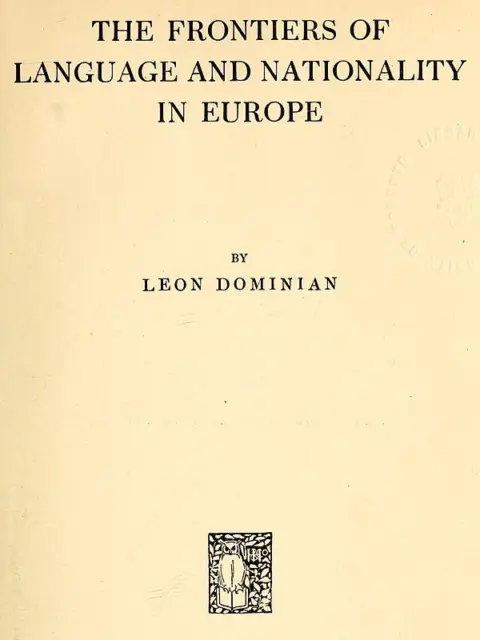
"The Frontiers of Language and Nationality in Europe" by Leon Dominian is a scientific publication written in the early 20th century. The book explores the intricate relationships between language distribution and national borders in Europe, emphasizing how geography has influenced the formation of linguistic and national identities. It offers insights into how language acts as a unifying factor within nationalities, while also addressing the impact of historical migrations and territorial disputes. At the start of the book, Dominian sets the stage by articulating the connection between language and territory. He discusses the historical evolution of human settlement and how different languages arise from specific geographical contexts, influencing human identity and culture. This opening section highlights the duality of language as both a marker of national and racial identity, presenting the idea that contemporary European boundaries have been shaped by a multitude of factors, including physical landscape and demographic changes. The preface and introduction establish the context for the subsequent analysis of linguistic frontiers, setting a scholarly tone and indicating the relevance of these themes in ongoing discussions about nationality and geopolitics in post-World War I Europe.
Introduction adapted from the source catalogue; source summaries may be automatically generated.
Free to read · English · 123,180 words · No account needed
MAKE TIME FOR A GOOD BOOK
On by default. Untick to stop anonymous reading totals. Each page counts after 10 seconds in view. How this works.
Anonymous counting is on unless you have switched it off.
Jews, Esthonian, 107;
Galicia, 125-126;
German Poland, 123;
Polish, 123, 126;
Polish provinces of Russia, 123;
Turkey, 301
Judea, 226
Jugoslavia, 88, 185, 338
Jura, 49, 52, 55
Jutland, 93
Kabardians, 283
Kalevala, 322-323
Karapapaks, 284
Karst land, 77-79
Kastoria, 211
Khirgiz, 174
Kiel Canal, 94
Kiev, 119
Kizilbash, 285-288
Konia, 258, 260
Kottbus, 134, 135
Kovno, 132
Kraljevitch, Marko, 321
Kurdistan Christians, table, 312-313
Kurds, 294-296
Kurland, 106
Kutzo-Vlachs, 163
Ladin, 66, 72, 165;
definition, 72-73
Ladislas, 119
Lake beds, 290
Landsmaal, 99, 100
Language, economic influences, 325-327;
formative influence, 18;
national asset, 320;
nationality and, 1, 155, 314-315;
race, nationality, and, 4;
European, classification, 346-347;
great groups in Europe, 9
Langue d’oc, 9, 12, 64
Langue d’oïl, 9, 12, 20, 328
Lassi, 149, 150
Latin, 52, 56, 320;
Belgium, 21;
Dalmatian coast, 86, 87;
introduction into France, and influence, 10;
Rome’s, 59;
Rumanian and, 159-161;
Southeastern Europe, 163
Latin-Faliscan, 56
Lazis, 284
Lebanon, 299, 300
Lemberg, 125, 130
Letts, 104-107
Liége, 28
Lingua romana, 38
Lingua teudisca, 39
Linguistic areas, 3
Lippowans, 170-171
Literature and nationality, 317-319
Lithuanians, 104-107
Little Russians, 113, 131, 136
Livonians, 107
Lombardo-Venetia, 74
Lorraine, 36-37, 326, 334.
See also Alsace-Lorraine
Lothaire, 39
Lotharii Regnum, 38
Lothringia, 29, 40
Louis the German, 38
Low German, 13, 94
Lusatia, 133
Luther, 13
Lutherans, 105, 106, 108
Luxemburg, boundary of French and Germanic languages in, 19-34;
language, 30-34
Maalstraev, 97
Macedonia, 202, 204-214;
history, 208-209;
loss to Bulgarians, 207;
physical, 203-204;
Serbian claims on, 211-212;
Slavs, 206
Macedonian, 165, 166, 206
Macedonians, 204-214;
definition, 204;
ethnic composition, 209;
groups, 205
Magyar, area, 155-156
Magyars, 151, 154, 155
Malmedy, 22, 33
Mar Shimun, 305
Maritza, 215, 219, 220
Marmora, 218-220, 244
Maronites, 299, 300-301
Masurians, 132, 133
Meander, 255-256
Mecca, 241, 267, 268
Mediterranean race, xiv, 4, 5, 6
Mendai, 306
Meran, 73
Mesopotamia, 226, 238, 260, 261, 262, 272, 307, 308;
reclamation, 239
Metauilehs, 297-298
Metsovo, 160
Metz, 37, 43
Mezzo-Mezzos, 277
Middle German, 13
Midyad, 305
Migrations, 202;
seasonal, 162
Mindvog, 104
Mirdites, 193
Mohammedan Albanians, 194, 201
Mohammedanism, 83;
Turkey and, 221
Mohammedans, 101, 136, 164, 177, 189;
Bosnia, 190;
Caliphate, 241, 267;
dissenters, 285-289;
Great Britain and, 240;
Greek, 277;
immigrants into Turkey, 282-284;
landholders in Europe, 198;
railroad funds, 267-268
Moldavia, 171, 172
Moldavians, 162, 167, 168
Molise group, 89
Monastiro, 72
Mongolian, 104
Mongolians, 113, 176
Mont Blanc, 52
Montenegrins, 180
Montenegro, 182, 195, 196
Moravia, 149-150;
German expansion, 150
Moravian, 115, 116
Moravian Slovaks, 149, 150
Moravians, 142
Moresnet, 32, 33
Morlacca, 88
Mosul, 223, 260;
Christians, table, 311-312
Mountains as boundaries, 333-334
Musariyehs, 298-299
Muscovy, 16
Mush, 290, 294
Nancy, 36, 37, 42, 43
Naples, kingdom of, Slav colonists, 88
Nationality, language and, 1, 155, 314-315;
language, race, and, 4
Nestorians, 304-305
Netherlands, 29
New Norse, 100
Niederdeutsch, 13
Nimrud Dagh, 294
Noghai tartars, 283
Nomadism, 162, 164, 282, 283, 308
Nordic race, xiv, 4, 5, 6, 19, 41, 102, 104, 176
Norse, 98, 99, 100
Norsk, 98
Norway, Danish language in, 98;
linguistic problem, 97-100
Norwegian, 97, 100
Norwego-Danish, 98-100
Novibazar, 188-189
Oberdeutsch, 13
Obrenovitch, Miloch, 186
Oder, 93, 116, 118, 137
Old Norse, 98, 99
Oscan-Umbrian, 56
Palestine, 245, 265
Pan-Germanism, 331
Pan-Slavism, 331
Paris, 9, 11
Parlers, 11
Patois, French, 9
Peacock King, 303
Persia, trade, 238
Persian and Armenian, 272
Persian Gulf, 239
Persians, Armenians and, 290;
Greeks and, 227
Phrygians, 286, 292
Piasts, 119, 120
Picard patois, 11, 12
Piedmont, 59-62;
German in, 66-67
Pilsen, 144
Pindus, 162, 163, 165, 166, 195, 202, 203, 204
Pjesme, 321, 322
Plattdeutsch, 13
Po, 59, 63, 84
Podgoritza, 196
Podhalians, 114
Poetry, nationality and, 318-319;
Serbia, 321-322
Poland, 111-140;
Austro-Hungarian provinces, table, 138;
autonomy, 340-341;
German colonization, 116, 127-129;
German provinces, table, 137-138;
Jewish element, 124-126;
nature of land, 119;
Russia and, 121;
Russian provinces, table, 138-139;
Turkey and, 120;
unity of, 135-136
Poles, 111-140;
Austrian, 130;
Bukovina, 170, 171;
eastern Germany, 123;
German contacts, 115-135;
patriotism and national spirit, 129;
letters in Germany, 121-122
Polish, area, 111-140;
teaching, 129
Polish Jews.
See Jews
Posen, 116, 121-123, 128, 133
Prague, 146
Protestants, Bohemia, 146;
Piedmont, 61-62;
Polish group, 133
Prussia, 48, 49, 81, 82, 93, 94, 95, 117, 118, 120, 126, 127;
ascendency, 329;
Germanization, 128;
Poland and, 340-341;
Poles in, 117, 121
Pruth, 172
Race, xv;
European blending, xiv, 5;
language, nationality, and, 4;
mingling, 3
Ragusa, 77, 88
Railroads, Turkish, 248-252, 268-269;
Turkish-owned, 267
Raskolniks, 136
Ratzel, F., 325, 326
“Red head,” 286
Your reading position is saved on this browser. Take it to another device with a library code. Reading pages adapt to text, rather than matching a printed edition.
BEHIND THE BOOK
This eBook is for the use of anyone anywhere in the United States and most other parts of the world at no cost and with almost no restrictions whatsoever. You may copy it, give it away or re-use it under the terms of the Project Gutenberg License included with this eBook or online at www.gutenberg.org. If you are not located in the United States, you will have to check the laws of the country where you are located before using this eBook. Read the source licence.
The original source file, including credits and licence, is retained by this library. Request an original-format copy at no charge. Please include the book title and Project Gutenberg identifier #58205.
KEEP YOUR CURIOSITY GOING
Cécile Tormay

Moritz Busch
John L. Ransom
Frances Wright
Cécile Tormay

Mabel Potter Daggett