THE CLASSIC COLLECTION✦The Boys’ Life of Abraham LincolnCLASSIC FREE BOOKS
The Boys’ Life of Abraham Lincoln
Helen Nicolay
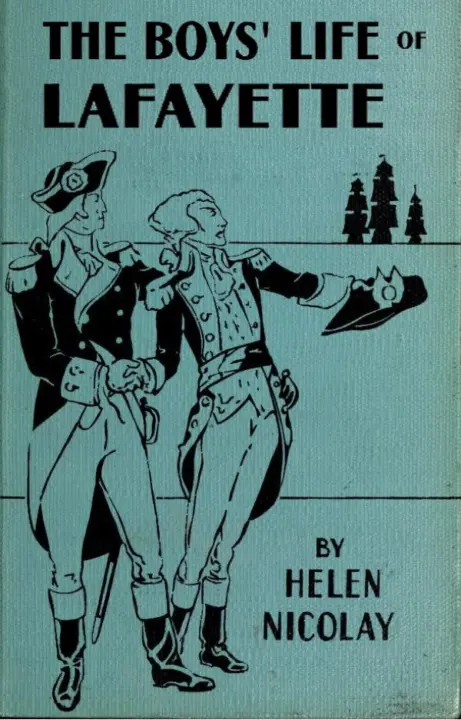
THE CLASSIC COLLECTION · 1920
"The Boys' Life of Lafayette" by Helen Nicolay is a historical account written in the late 19th century. The book chronicles the life of Gilbert du Motier, Marquis de Lafayette, emphasizing his remarkable journey from a young nobleman in France to a prominent figure in the American Revolutionary War. The narrative focuses on Lafayette's early life, lineage, and the significant historical events that shaped his character and led him to champion the cause of liberty and democracy. At the start of the book, the author introduces Lafayette's aristocratic lineage and the saying, "The Lafayettes die young, but die fighting," which encapsulates the family's long-standing tradition of martial valor. The opening chapters discuss his upbringing in a somber yet nurturing household, highlighting his dedicated upbringing by his mother and aunts, and foreshadowing his future aspirations for glory and liberty. As he matures, the narrative hints at his growing ambitions, including his initial education and participation in the court of Louis XVI, setting the stage for his later involvement in the fight for independence in America.
Introduction adapted from the source catalogue; source summaries may be automatically generated.
Free to read · English · 78,336 words · No account needed
MAKE TIME FOR A GOOD BOOK
On by default. Untick to stop anonymous reading totals. Each page counts after 10 seconds in view. How this works.
Anonymous counting is on unless you have switched it off.
Lafayette, Marie-Joseph-Paul-Yves-Roch-Gilbert-Dumotier, Marquis de:
Birth, 3, 4.
Boyhood, 5-12.
Marriage, 14-18.
Life at Court, 19, 27-31.
With his regiment, 20, 32-35.
Smallpox, 21.
Resolves to go to America, 34.
Efforts to leave France, 35-47.
Departure and voyage, 48-56.
Lands: goes to Philadelphia, 57-63.
Reception by Congress, 64-69.
Enters American Army, 70-72, 74, 75.
Battle of the Brandywine, 77-80.
At Bethlehem: rejoins army, 80-83.
Intrigues against, 84, 85, 91-98.
Skirmish near Gloucester, 85-87.
Conduct, in army, 88, 89, 94.
Attends Indian council, 98, 99.
Returns to Valley Forge, 99, 102.
At Barren Hill, 104-107.
Votes to attack Clinton, 109.
Battle of Monmouth Court House, 109-111.
Liaison officer, 113-116, 118.
Joint command with General Greene, 116-117.
Challenges Earl of Carlisle, 119.
Granted leave of absence, 119.
Illness and homeward voyage, 120-123.
Winter in France, 124-128.
Rejoins Washington, 130.
Again liaison officer, 134-138.
West Point, and André, 139-143.
French officers' attitude toward, 144, 145.
First campaign in Virginia, 146-148.
Second campaign in Virginia, 150-165.
At Yorktown, 165-169.
Popularity in France, 169-172, 175, 176, 196, 200, 212, 283.
In Spain, 172-174.
Plan to free slaves, 174.
Improvements at Chavaniac, 174, 175.
Paris home, 175, 176, 178.
Interest in Mesmer, 176, 177.
Visit to America, 1784, 177, 178.
Sends gifts to Washington, 179, 196.
Visits Frederick the Great, 180-182.
Champion of reforms, 182-183, 185, 187-190, 297.
Member Assembly of Notables, 185-190.
Vice-President National Assembly, 195.
Commands Paris National Guard, 196-215, 284, 285, 298.
Invents the Tricolor, 197.
Neither Republican nor Royalist, 201, 202, 213.
Blamed for attack on Versailles, 203, 205.
At fête of Federation, 209-212.
Slanders and attacks upon, 213.
Arrests king and queen, 214.
Defeated for mayor of Paris, 216.
Commands army of defense, 216-220.
Last effort to save Louis XVI, 218, 219.
Flight and arrest, 219-221.
Imprisonment, 222-247.
Attempted escape, 229-233.
Exile, 248-253.
Returns to Paris, 253.
Life at La Grange, 254, 278, 279, 289.
Death of his wife, 257, 279, 280.
Relations with Napoleon, 251, 255, 256, 280-282.
Member, Chamber of Deputies, 256, 259, 283, 284, 286, 289.
Revisits America, 259-275.
Lays corner-stone at Bunker Hill, 267-269.
Welcome in France, 276, 277.
Relations with Louis XVIII, 280-282.
Relations with Charles X, 283-285.
Relations with Louis Philippe, 285-288.
Illness and death, 289-290.
Character, 10, 29, 30, 82, 86, 87, 92, 119, 125, 126, 136,
145, 159, 200, 254, 255, 282, 283, 294-296, 298, 299.
Correspondence with:
Bollman, 230.
Mlle. de Chavaniac, 14.
Congress, 66, 173.
d'Estaing, 114, 115.
Fitzpatrick, 248.
French Minister, 139-143.
Governor of Martinique, 82.
Hamilton, 155, 156.
Mme. d'Hénin, 225, 226.
Huger, 248.
Jefferson, 281.
Louis XVI, 124.
Maubourg, 257.
Napoleon, 251, 252.
Nelson, 155.
Relatives, 137, 174.
Vergennes, 145.
Washington, 85, 86, 96, 97, 116, 117, 127, 135, 146, 150, 152,
153, 160, 161, 170, 173, 174, 176, 177, 181, 182, 189.
His wife, 53-55, 59-63, 76, 80, 81, 88-90, 93, 102, 129, 133,
137, 143, 144, 223, 237, 258.
Opinion of Washington, 71, 91.
Opinion of the American Revolution, 108.
Family of:
Ancestors, 2-4, 33.
Aunts, 4, 5, 7, 174, 238, 256, 257.
Children:
Anastasie, 92, 125, 129, 170, 175, 176, 178, 236, 238-244, 247, 248.
George Washington, 129, 130, 170, 173, 175, 236, 238, 239, 249-251,
256, 259, 263, 265, 271, 274, 280, 284, 290, 292.
Henriette, 29, 102.
Virginia, 175, 176, 178, 236, 238-244, 247, 257, 267.
Cousin, 277.
Father, 3, 4, 33, 35.
Granchildren, 258, 293.
Mother, 3-9, 12.
Uncles, 9, 14, 35.
Wife:
Marie Adrienne Françoise de Noailles.
Marriage, 15-18.
Before the French Revolution, 19, 29, 45, 46, 102, 129, 169, 170, 174-176, 178.
Experiences during the Terror, 237, 238.
At Olmütz, 236, 240-245.
Release and exile, 247, 248.
Visits Napoleon, 253, 254.
Inherits La Grange, 254.
Death, 257.
Influence over her husband, 279, 280.
Mentioned, 32, 53, 59-63, 67, 80, 81, 88, 93, 102, 103, 129, 133, 143,
144, 169, 178, 215, 223, 258, 290.
Lally Tollendal, Trophime Gerard, Marquis de, 227, 228.
Lameth, Alexandre, 223, 230.
Lasteyrie, Louis du Saillant, Marquis de, 257.
Laurens, Henry, 79, 80, 138.
Laurens, Col. John, 138, 145, 161, 165.
Ledyard, John, 172.
Lee, Arthur, 39, 42, 43.
Lee, Gen. Charles, 85, 108-111.
Lee, Gen. "Lighthorse Harry," 167.
Leszczynska, Marie, 9.
Levasseur, Col. A., 260, 271-273, 275.
Lincoln, Gen. Benjamin, 166.
Louis XIV of France, 13, 183.
Louis XV of France, 5, 6, 9, 12, 13, 19-22, 25, 30, 183.
Louis XVI of France:
Lacks confidence, 21, 30, 194.
Orders Lafayette's arrest, 47.
Receives American commissioners, 101.
Letter to, from Congress, 119.
Interviews with Lafayette, 124, 128, 177, 214.
Makes Lafayette marshal of France, 171.
Talk with Richelieu, 183.
Convenes Assembly of Notables, 185.
Opens States General, 191.
Contests with National Assembly, 193-196.
Cheered and attacked, 197, 203-205.
Attempt to escape, 213, 214.
Signs Constitution, 215.
Last weeks of reign, 217-219.
Death of, 236.
Mentioned, 32, 34, 36, 39, 52, 188, 189, 198, 201-206, 216,
224, 228, 280-281.
Louis XVIII of France, 30, 276, 280-282.
Louis Philippe (Philippe Égalité), 285-288, 291.
Lovell, James, 64-67.
Luckner, General, 217.
Your reading position is saved on this browser. Take it to another device with a library code. Reading pages adapt to text, rather than matching a printed edition.
BEHIND THE BOOK
This eBook is for the use of anyone anywhere in the United States and most other parts of the world at no cost and with almost no restrictions whatsoever. You may copy it, give it away or re-use it under the terms of the Project Gutenberg License included with this eBook or online at www.gutenberg.org. If you are not located in the United States, you will have to check the laws of the country where you are located before using this eBook. Read the source licence.
The original source file, including credits and licence, is retained by this library. Request an original-format copy at no charge. Please include the book title and Project Gutenberg identifier #50232.
KEEP YOUR CURIOSITY GOING
Cécile Tormay

Moritz Busch
John L. Ransom
Frances Wright
Cécile Tormay

Mabel Potter Daggett