THE CLASSIC COLLECTION✦A Forest Hearth: A Romance of Indiana in the ThirtiesCLASSIC FREE BOOKS
A Forest Hearth: A Romance of Indiana in the Thirties
Charles Major
THE CLASSIC COLLECTION · 1900
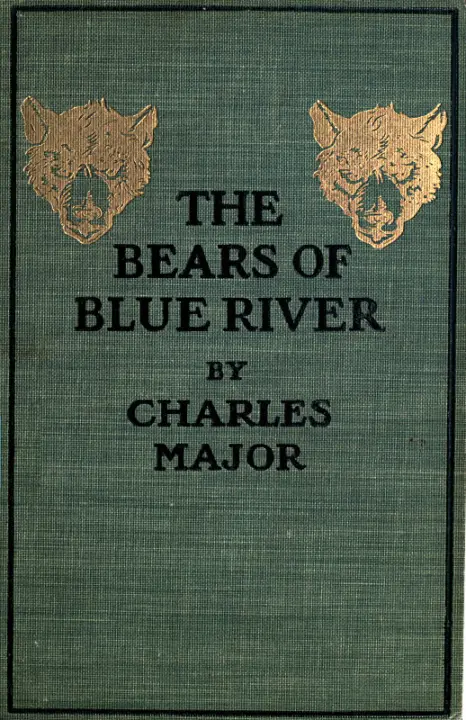
"The Bears of Blue River" by Charles Major is a novel written in the early 20th century. The story revolves around a young boy named Balser Brent, who lives in Indiana during the 1820s, a time characterized by untamed wilderness and the struggles of early settlers. The book follows Balser's adventures, particularly his encounters with bears and other wildlife, as he navigates the challenges and excitement of life in the frontier. At the start of the narrative, we are introduced to Balser and his family, who live in a log cabin near the Big Blue River. The opening portion of the book sets the scene of this rustic life, highlighting the natural beauty and dangers that surround them. Balser, at about thirteen years old, is depicted as a courageous and somewhat impulsive boy who has dreams of hunting bears. The initial conflict arises as Balser attempts to catch fish but encounters a huge black bear, leading to a tense and thrilling showdown that marks the beginning of his adventures in the wilderness. This encounter not only establishes Balser's bravery but also foreshadows the challenges he will face in his quest to overcome the formidable wildlife in the region.
Introduction adapted from the source catalogue; source summaries may be automatically generated.
Free to read · English · 44,346 words · No account needed
MAKE TIME FOR A GOOD BOOK
On by default. Untick to stop anonymous reading totals. Each page counts after 10 seconds in view. How this works.
Anonymous counting is on unless you have switched it off.
“You, Tom! You, Jerry! come here!” called Balser one morning, while he and Jim were sitting in the shade near the river in front of the house, overseeing the baby.
“You, Tom! You, Jerry!” called Balser a second time with emphasis. The cubs, snoozing in the sun a couple of paces away, rolled lazily over two or three times in an effort to get upon their feet, and then trotted to their masters with a comical, waddling gait that always set the boys laughing,—it was such a swagger.
When they had come, Balser said, “Stop right there!” and the cubs, being always tired, gladly enough sat upon their haunches, and blinked sleepily into Balser’s face, with a greedy expression upon their own, as if to say, “Well, where’s the milk?”
“Milk, is it?” asked Balser. “You’re always hungry. You’re nothing but a pair of gluttons. Eat, eat, from morning until night. Well, this time you’ll get nothing. There’s no milk for you.”
The cubs looked disgusted, so Jim said, and no doubt he was right, for
Jim and the cubs were great friends and understood each other
thoroughly.
“Now, I’ve been a good father to you,” said Balser. “I’ve always given you as much milk as you could hold, without bursting, and have tried to bring you up to be good respectable bears, and to do my duty by you. I have whipped you whenever you needed it, although it often hurt me worse than it did you.”
The bears grunted, as if to say: “But not in the same place.”
“Now what I want,” continued Balser, regardless of the interruption, “is, that you tell me what you know, if anything, concerning a big one-eared bear that lives hereabouts. Have you ever heard of him?”
Tom gave a grunt, and Jim, who had been studying bear language, said he
meant “Yes.”
Jerry then put his nose to Tom’s ear, and whined something in a low
voice.
“What does he say, Jim?” asked Balser.
“He says for Tom not to tell you anything until you promise to give them milk,” answered Jim, seriously.
“Jerry, you’re the greatest glutton alive, I do believe,” said Balser; “but if you’ll tell me anything worth knowing about the one-eared bear, I’ll give you the biggest pan of milk you ever saw.”
Jerry in his glee took two or three fancy steps, awkwardly fell over himself a couple of times, got up, and grunted to Tom to go ahead. Jim was the interpreter, and Tom grunted and whined away, in a mighty effort to earn the milk.
Your reading position is saved on this browser. Take it to another device with a library code. Reading pages adapt to text, rather than matching a printed edition.
Charles Major
Charles Major
Charles Major
Charles Major
BEHIND THE BOOK
This eBook is for the use of anyone anywhere in the United States and most other parts of the world at no cost and with almost no restrictions whatsoever. You may copy it, give it away or re-use it under the terms of the Project Gutenberg License included with this eBook or online at www.gutenberg.org. If you are not located in the United States, you will have to check the laws of the country where you are located before using this eBook. Read the source licence.
The original source file, including credits and licence, is retained by this library. Request an original-format copy at no charge. Please include the book title and Project Gutenberg identifier #54915.
KEEP YOUR CURIOSITY GOING
Coulson Kernahan

Maurice Baring
Frances Wright
Cécile Tormay

Frederic Jesup Stimson

W. H. P. (William Henry Pope) Jarvis