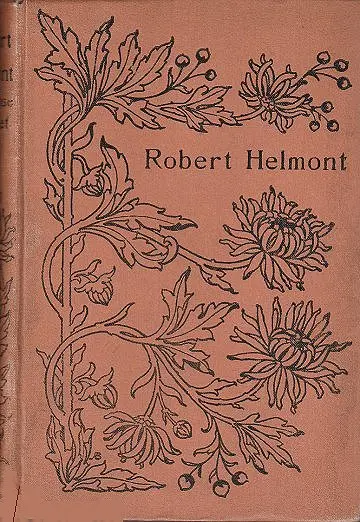
Robert Helmont: Diary of a Recluse, 1870-1871
Alphonse Daudet
THE CLASSIC COLLECTION · 1887
"Tartarin on the Alps" by Alphonse Daudet is a humorous novel written in the late 19th century. This work follows the adventures of Tartarin, a larger-than-life character who embodies the spirit of his hometown, Tarascon, known for its imaginative and boastful inhabitants. The story begins with Tartarin's misadventures in the Swiss Alps, highlighting themes of bravado and the clash between reality and fantasy as he engages with fellow tourists and prepares for an ascent. The opening of the novel introduces readers to a fog-shrouded evening at the Rigi-Kulm hotel, where tourists gather for dinner, fixated on the novelty of their surroundings. Among them is Tartarin, a rotund man cloaked in the garb of an Alpinist, who becomes the center of attention due to his unusual attire and exuberant demeanor. While he attempts to fit in and navigate the challenges of dining and engaging with other guests, he is met with a mix of confusion and disdain. The scene unfolds with comedic interactions that set the tone for Tartarin's escapades, while his aspirations to conquer the Alps ignite a humorous exploration of his character and existential musings on fame, identity, and recognition in a foreign land.
Introduction adapted from the source catalogue; source summaries may be automatically generated.
Free to read · English · 50,490 words · No account needed
MAKE TIME FOR A GOOD BOOK
On by default. Untick to stop anonymous reading totals. Each page counts after 10 seconds in view. How this works.
Anonymous counting is on unless you have switched it off.
The Alpinist, it is true, came from the side opposite to the station, and the state of his leggings testified to a long march through snow and mud.
For a moment he gazed at the hotel and its surrounding buildings, seemingly stupefied at finding, two thousand and more yards above the sea, a building of such importance, glazed galleries, colonnades, seven storeys of windows, and a broad portico stretching away between two rows of globe-lamps which gave to this mountain-summit the aspect of the Place de l’Opéra of a winter’s evening.
But, surprised as he may have been, the people in the hotel were more surprised still, and when he entered the immense antechamber an inquisitive hustling took place in the doorways of all the salons: gentlemen armed with billiard-cues, others with open newspapers, ladies still holding their book or their work pressed forward, while in the background, on the landing of the staircase, heads leaned over the baluster and between the chains of the lift.
The man said aloud, in a powerful deep bass voice, the chest voice of the South, resounding like cymbals:--
“Coquin de bon sort! what an atmosphere!”
Then he stopped short, to take off his cap and his spectacles.
He was suffocating.
The dazzle of the lights, the heat of the gas and furnace, in contrast with the cold darkness without, and this sumptuous display, these lofty ceilings, these porters bedizened with Regina Montium in letters of gold on their naval caps, the white cravats of the waiters and the battalion of Swiss girls in their native costumes coming forward at sound of the gong, all these things bewildered him for a second--but only one.
He felt himself looked at and instantly recovered his self-possession, like a comedian facing a full house.
“Monsieur desires..?”
This was the manager of the hotel, making the inquiry with the tips of his teeth, a very dashing manager, striped jacket, silken whiskers, the head of a lady’s dressmaker.
The Alpinist, not disturbed, asked for a room, “A good little room, au mouain?” perfectly at ease with that majestic manager, as if with a former schoolmate.
But he came near being angry when a Bernese servant-girl, advancing, candle in hand, and stiff in her gilt stomacher and puffed muslin sleeves, inquired if Monsieur would be pleased to take the lift. The proposal to commit a crime would not have made him more indignant.
“A lift! he!.. for him!..” And his cry, his gesture, set all his metals
rattling.
Your reading position is saved on this browser. Take it to another device with a library code. Reading pages adapt to text, rather than matching a printed edition.
Alphonse Daudet
Alphonse Daudet
Alphonse Daudet
Alphonse Daudet
BEHIND THE BOOK
This eBook is for the use of anyone anywhere in the United States and most other parts of the world at no cost and with almost no restrictions whatsoever. You may copy it, give it away or re-use it under the terms of the Project Gutenberg License included with this eBook or online at www.gutenberg.org. If you are not located in the United States, you will have to check the laws of the country where you are located before using this eBook. Read the source licence.
The original source file, including credits and licence, is retained by this library. Request an original-format copy at no charge. Please include the book title and Project Gutenberg identifier #25768.
KEEP YOUR CURIOSITY GOING
Coulson Kernahan

Maurice Baring
Frances Wright
Cécile Tormay

Frederic Jesup Stimson

W. H. P. (William Henry Pope) Jarvis