THE CLASSIC COLLECTION✦Heu-Heu, or The monsterCLASSIC FREE BOOKS
Heu-Heu, or The monster
H. Rider (Henry Rider) Haggard
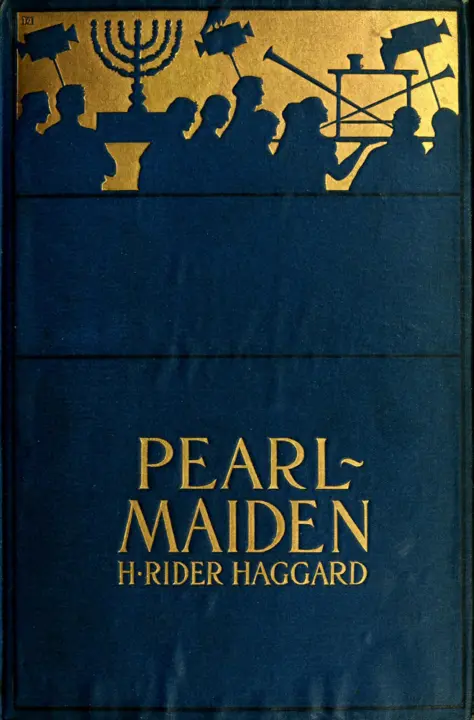
THE CLASSIC COLLECTION · 1901
"Pearl-Maiden: A Tale of the Fall of Jerusalem" by H. Rider Haggard is a historical novel written in the early 20th century. The story unfolds against the backdrop of Jerusalem's tumultuous period under Roman rule, focusing on the harrowing experiences of its inhabitants as they grapple with oppression and the impending fall of their city. Central to the narrative are the characters Rachel, a noble Jewish woman, and Nehushta, her devoted slave and protector, as they face the brutal realities of persecution for their Christian faith. At the start of the novel, we are introduced to Cæsarea, where King Agrippa celebrates a festival while dark fates loom for captured Christians in the nearby prison. The ominous atmosphere sets the stage for a day filled with grisly spectacles involving gladiatorial combats and cruel entertainments, culminating in plans to sacrifice innocent Christians to wild beasts. Rachel and Nehushta are among those condemned, navigating fear and determination as they share poignant conversations about faith, family, and the child Rachel bears. While darkness hovers, their strength and bond echo against the backdrop of despair, indicating both personal and spiritual resilience amidst catastrophic events.
Introduction adapted from the source catalogue; source summaries may be automatically generated.
Free to read · English · 134,394 words · No account needed
MAKE TIME FOR A GOOD BOOK
On by default. Untick to stop anonymous reading totals. Each page counts after 10 seconds in view. How this works.
Anonymous counting is on unless you have switched it off.
“By the paths that we Christians have to tread, mother,” said Rachel, sadly. “But sit; you are weary. Nou, help her.”
Anna nodded, and slowly, for her limbs were stiff, sank down on to the
step of the fountain.
“Give me to drink, child,” she said, “for I have been brought upon a mule from Tyre, and am athirst.”
Rachel made her hands into a cup, for she had no other, and held water to Anna’s lips, which she drank greedily, emptying them many times.
“For this refreshment, God be praised. What said you? The daughter of Benoni a Christian! Well, even here and now, for that God be praised also. Strange that I should not have heard of it; but I have been in Jerusalem these two years, and was brought back to Tyre last Sabbath as a prisoner.”
“Yes, Mother, and since then I have become both wife and widow.”
“Whom did you marry, child?”
“Demas, the merchant. They killed him in the amphitheatre yonder at Berytus six months ago,” and the poor woman began to sob.
“I heard of his end,” replied Anna. “It was a good and noble one, and his soul rests in Heaven. He would not fight with the gladiators, so he was beheaded by order of Agrippa. But cease weeping, child, and tell me your story. We have little time for tears, who, perhaps, soon will have done with them.”
Rachel dried her eyes.
“It is short and sad,” she said. “Demas and I met often and learned to love each other. My father was no friend to him, for they were rivals in trade, but in those days knowing no better, Demas followed the faith of the Jews; therefore, because he was rich my father consented to our marriage, and they became partners in their business. Afterwards, within a month indeed, the Apostles came to Tyre, and we attended their preaching—at first, because we were curious to learn the truth of this new faith against which my father railed, for, as you know, he is of the strictest sect of the Jews; and then, because our hearts were touched. So in the end we believed, and were baptised, both on one night, by the very hand of the brother of the Lord. The holy Apostles departed, blessing us before they went, and Demas, who would play no double part, told my father of what we had done. Oh! mother, it was awful to see. He raved, shouted and cursed us in his rage, blaspheming Him we worship. More, woe is me that I should have to tell it: When we refused to become apostates he denounced us to the priests, and the priests denounced us to the Romans, and we were seized and thrown into prison; but my husband’s wealth, most of it except that which the priests and Romans stole, stayed with my father. For many months we were held in prison here in Cæsarea; then they took my husband to Berytus, to be trained as a gladiator, and murdered him. Here I have stayed since with this beloved servant, Nehushta, who also became a Christian and shared our fate, and now, by the decree of Agrippa, it is my turn and hers to die to-day.”
Your reading position is saved on this browser. Take it to another device with a library code. Reading pages adapt to text, rather than matching a printed edition.
H. Rider (Henry Rider) Haggard
H. Rider (Henry Rider) Haggard
H. Rider (Henry Rider) Haggard
H. Rider (Henry Rider) Haggard
BEHIND THE BOOK
This eBook is for the use of anyone anywhere in the United States and most other parts of the world at no cost and with almost no restrictions whatsoever. You may copy it, give it away or re-use it under the terms of the Project Gutenberg License included with this eBook or online at www.gutenberg.org. If you are not located in the United States, you will have to check the laws of the country where you are located before using this eBook. Read the source licence.
The original source file, including credits and licence, is retained by this library. Request an original-format copy at no charge. Please include the book title and Project Gutenberg identifier #5175.
KEEP YOUR CURIOSITY GOING
Cécile Tormay

Moritz Busch
Coulson Kernahan
John L. Ransom

Maurice Baring
Frances Wright