THE CLASSIC COLLECTION✦My diaries, being a personal narrative of events 1888-1914, Part 2 (1900-1914)CLASSIC FREE BOOKS
My diaries, being a personal narrative of events 1888-1914, Part 2 (1900-1914)
Wilfrid Scawen Blunt
THE CLASSIC COLLECTION · 1906
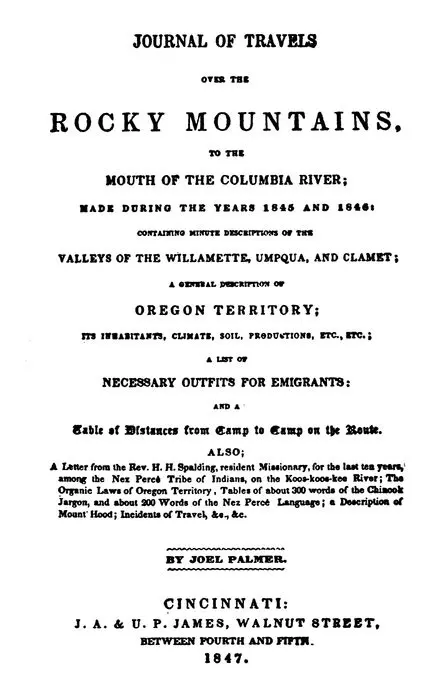
"Palmer's Journal of Travels Over the Rocky Mountains, 1845-1846" by Joel Palmer is a historical account written in the mid-19th century. This work documents the author's personal journey as he traverses the Oregon Trail, providing a meticulous description of the landscapes, indigenous peoples, social conditions, and the challenges faced by emigrants during the westward expansion of America. Palmer, who was a pioneer leader among the emigrants, presents a detailed narrative of his observations, practical recommendations for future travelers, and insights into the lifestyle and environment of the Oregon Territory. The opening of this journal details Palmer's departure from Indiana with the intent of assessing the Oregon Territory for potential settlement. Beginning on April 16, 1845, he recounts various mishaps and encounters along the way, such as his disappointment at not finding companions to join him and the struggles faced, including trading for livestock and dealing with unexpected events like a wild horse. His observations cover the terrain, water sources, and agricultural potential, setting the stage for a journey that explores not only the physical landscape but also the emotional weight of leaving home, signifying an adventure that is as much about personal growth as it is about discovery.
Introduction adapted from the source catalogue; source summaries may be automatically generated.
Free to read · English · 88,645 words · No account needed
MAKE TIME FOR A GOOD BOOK
On by default. Untick to stop anonymous reading totals. Each page counts after 10 seconds in view. How this works.
Anonymous counting is on unless you have switched it off.
Mi-ka Oel-hin Pilton You Seal Foolish
Ni-ka O-koke Pal-a-k-lo I, or me This, or that Night
Nan-ach Pi-yah Pes-hocks Look, or see Fire Thickety
Na-ha Pos-ton Pis-say-ukes Mother Americans French
New-ha Pee Quack-quack Let And Duck
Now-it-k Pus Si-wash Yes, certainly If Indians
Ne-si-ka Puss Swas We, us Cat Rain
Nein Pish-hash Sah-lee Name Polecat High
O-es-km Pos-seas Stick Caps Blanket Wood
Oel-man Pot-latch Seck-um Old Give Swim
O-pet-sa Pole-ally Si-yaw Knife Powder Far
O-pes-wa Po-et Sap-a-lil Wonder, astonishment Boat Flour
Ow Pa-pa Su-ga Brother Paper Sugar
Sec-a-lukes Shot To-lo Pantaloons Shot Win, or gain
Sap-a-pul Sup-ner Te-ma-has Hat Jump Poison
Sto-en Til-a-kum Ti-pee Rock People An ornament
Sil Tit-the-ko-ep Te-kah Shirting Cut Want
Sko-kum Tum-tum Till Strong, stout The heart Heavy, or tired
Sec-pee Te-o-wit Toc-ta To miss Leg Doctor
See-ah-os-ti Tum-pe-lo Wah-wah Face, or eyes Back Talk, conversation
Sam-mon Tam-o-lack Wake Fish Barrel No, not
Sto-gon Ti-ye Wap-a-to Sturgeon Master, or chief Potato
Son-dra Tes-um Win Roan Pretty Wind
Salt To-lo-bus Wam Salt Wolf Warm
Shu-es Te-ko-ep Wetch Shoes White More
Sun Te-mo-lo Ya-ka Sun, or day To-morrow Him, she, it
Silk-um Tu-lusk Yaw-wah Half, or a part Milk Yonder
Smo-ek Tip-so Yok-sa Smoke Grass Hair
Sul-luks Tum-tuk Ya-ha-la Mad, angry Water-falls Name
Six Ton-tle-ke Yult-cut Friends Yesterday Long
Sick T-sit-still You-till Sick, or sore Buttons, or tacks Glad, proud
Shut Tee-see
Shirt Sweet
Iht 1 Dilo-p-sin-a-maxt 17 Makst 2 Dilo-p-sow-skins 18 Klone 3 Dilo-p-k-wi-etst 19 Lakst 4 Tath-la-hun makst 20 K-win-nim 5 Tath-la-hun klone 30 Ta-hum 6 Tath-la-hun lakst 40 Sina-maxt 7 Tath-la-hun k-win-ma 50 Sow-skins 8 Tath-la-hun ta-hum 60 K-wi-etst 9 Tath-la-hun sin-a-maxt 70 Tath-la-ham 10 Tath-la-hun sow-skins 80 Dilo-pe-iht 11 Tath-la-hun k-wi-etst 90 Dilo-p-maxt 12 Tak-o-mo-nuxt 100 Dilo-p-klone 13 Tak-o-mo-maxt 200 Dilo-p-lakst 14 Tak-o-mo-nuxt klone 300 Dilo-p-k-winnim 15 Tak-o-mo-nuxt lakst 400 Dilo-p-ta-hum 16 Tak-o-mo-nuxt k-win-nim 500
Hama Talonot Ipalikt Man Ox Clouds
Aiat Talohin Wakit Women Bull Rain
Haswal Kulkulal Hiwakasha Boy Calf Rains
Pitin Shikam Maka Girl Horse Snow
Silu Tilipa Hatia Eye Fox Wind
Huku Tahspul Yakas Hair Beaver Hot
Ipsus Kelash Yamits Hand Otter Cold
Ahwa Hisamtucks Tiputput Feet Sun Warm
Simusimu Hayaksa Silakt Black Is hungry Body
Ilpilp Husus Katnanas Red Head Salt
Yosyos Kohalh Haya Gray Cow Salmon-trout
Shukuishukui Kaih Wahwahlam Brown Colt Trout
Kohatu Highwayahwasa Ilat Short Snows Weak
Kohat Haihai Wals Long White Knife
Kalinin Ashtai Ilatama Crooked Fork Is blind
Tukuh Ashtai Lakailakai Straight Awl Gentle
Silpsilp Wawianas Shiau Money Axe Skittish
Taiitaii Kimstam Waiat Flat Near Far
Hamoihamoi Maksmaks Shakinkash Soft Yellow Saw
Sisyukas Shapikash Wishan Sugar File Poor
Pishakas Takai Ilahui Bitter Blanket Many
Komain Sham Milas Sickness Coat Few
Hickomaisa Ahwa Animikinikai Is sick Foot Below
Aluin Silpsilp Tokmal Is lame Round Hat
Wakaas Tohon Huwialatus Is well Pantaloons Weary
Tinukin Ilapkit Ahat Is dead Shoe Down
Hiswesa Hikai Akamkinikai Is cold Kettle Above
Your reading position is saved on this browser. Take it to another device with a library code. Reading pages adapt to text, rather than matching a printed edition.
BEHIND THE BOOK
This eBook is for the use of anyone anywhere in the United States and most other parts of the world at no cost and with almost no restrictions whatsoever. You may copy it, give it away or re-use it under the terms of the Project Gutenberg License included with this eBook or online at www.gutenberg.org. If you are not located in the United States, you will have to check the laws of the country where you are located before using this eBook. Read the source licence.
The original source file, including credits and licence, is retained by this library. Request an original-format copy at no charge. Please include the book title and Project Gutenberg identifier #46906.
KEEP YOUR CURIOSITY GOING
Wilfrid Scawen Blunt
Wilfrid Scawen Blunt

E. W. (Edgar Watson) Howe
Cécile Tormay

Moritz Busch
John L. Ransom