THE CLASSIC COLLECTION✦My diaries, being a personal narrative of events 1888-1914, Part 2 (1900-1914)CLASSIC FREE BOOKS
My diaries, being a personal narrative of events 1888-1914, Part 2 (1900-1914)
Wilfrid Scawen Blunt
THE CLASSIC COLLECTION · 1906
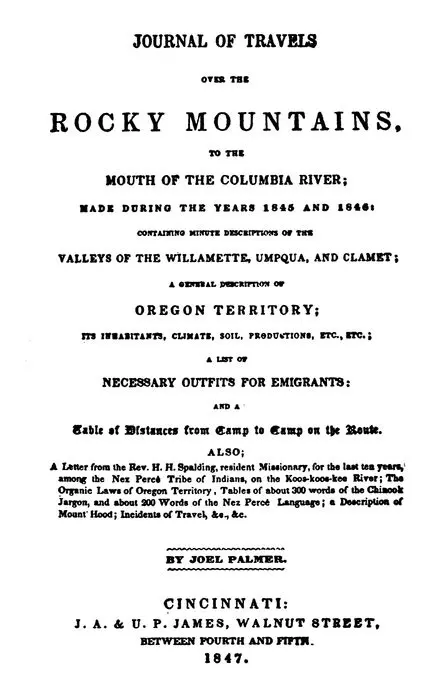
"Palmer's Journal of Travels Over the Rocky Mountains, 1845-1846" by Joel Palmer is a historical account written in the mid-19th century. This work documents the author's personal journey as he traverses the Oregon Trail, providing a meticulous description of the landscapes, indigenous peoples, social conditions, and the challenges faced by emigrants during the westward expansion of America. Palmer, who was a pioneer leader among the emigrants, presents a detailed narrative of his observations, practical recommendations for future travelers, and insights into the lifestyle and environment of the Oregon Territory. The opening of this journal details Palmer's departure from Indiana with the intent of assessing the Oregon Territory for potential settlement. Beginning on April 16, 1845, he recounts various mishaps and encounters along the way, such as his disappointment at not finding companions to join him and the struggles faced, including trading for livestock and dealing with unexpected events like a wild horse. His observations cover the terrain, water sources, and agricultural potential, setting the stage for a journey that explores not only the physical landscape but also the emotional weight of leaving home, signifying an adventure that is as much about personal growth as it is about discovery.
Introduction adapted from the source catalogue; source summaries may be automatically generated.
Free to read · English · 88,645 words · No account needed
MAKE TIME FOR A GOOD BOOK
On by default. Untick to stop anonymous reading totals. Each page counts after 10 seconds in view. How this works.
Anonymous counting is on unless you have switched it off.
This is a tongue spoken by a few in each of the tribes residing in the middle and lower divisions of Oregon. It is also used by the French, and nearly all the old settlers in the country.
Aach Ekik Hu-e-hu Sister Fish-hook Swap, exchange
Aha Elitah Hol Yes Slave Drag, or pull
Alka Esick Ilips Future, by and by Paddle First
Alta Esil Ith-lu-el, or Ituel Present, now Corn Meat, flesh
Ala Geleech I-yak I wonder Grease Quick, or hurry
Ankote Halo Il-a-he Past time None Soil, dirt
Chawko Hankachim Ichwet Come Handkerchief Bear
Chee Hous Is-kum New House Take
Chinkamin How In-a-ti Iron, chain Let us Overdress
Chuck Hoel-hoel Ith-lu-k-ma Water Mouse Gamble
Deob High-you I-wa Satan Quantity, many Beaver
Delie High-you-k-wah Ips-wet Dry Ring Hide
Ekih Hul-u-e-ma Ik-ta Brother-in-law Strange, different What
Kah K-wathen Kilaps Where Bell Turn over
K-u-ten K-macks Klips Horse Dog Upset
Kaw-lo-ke-lo Klugh Ko-el Goose Split, or Plough Cold
Ka-luck Ko-pet Kap-wah Swan Done, finished Alike
K-puet Kop-po Kon-a-maxt Needle Older brother Both
Kot-suck Kow Kla-hum Middle Is to tie Good-bye
Kap-o K-wat Kla-hi-you Coat Hit How do you do
Ka-nim Kop-shut Kaw-a-nassim Canoe Broken Always
Ka-ta Ko Kla-ha-na Why Arrived Out
Kap-su-alla Kim-to Klim-in-wit Theft, steal Behind A falsehood
K-liten Kollo Krap-po Lead Fence Toad
Kaw-kaw Kutt Klose Crow Hard Good
Klat-a-wah Klimin Klas-ko Go, Walk Fine Them, those
Kul-a-kulla Kle-il Ka-so Fowl Black Rum
Kum-tux Ka-was Ko-pa Know, or understand Afraid There
Ke-a-wale Kom-suck Kit-lo Love Beads Kettle
Ka-wah-we Ko-ko-well Klone-ass All Eel I do not understand
Klow-e-wah Klaps Klop-sta Slow Find Who
K-wallen Kow-ne-aw Klouch-man The ear How many Female
Kee-kool La-sel Le-lu Down Saddle Panther
Lepo-lo Le-lo-im Le-pul Pan Sharp Chickens
Le-por-shet Le-poim Lecorset Fork Apple Trunk
Lehash La-bush Laport Axe Mouth Door
Leg-win Le-da Le-pip Saw Teeth Pipe
Lima Le-ku Lo-lo The hand Neck Carry, or tote
Lita Le-mora Leb-ya Head Wild Old woman
Le-pe-a Lashimney La-lure Feet Chimney Hoe
Lo-ma-las Lemitten La-cope Molasses Mitten White
Lemon-to La-ha-la La-cre-me Sheep Feel Yellow
Lavest Le-le Mas-a-tro Jacket, or vest A long time Bad
La-ep Las-well Met-lite Rope Silk Residence, Sitting down, &c. Lep-lash La-tem Boards Table Mal-ha-na As, in the river; or, Lep-wa Lep-o-lip push off the boat Peas Boil
Lep-well Le-sit-well Man Skillet Stars Male
La-win Le-mit-rem Mow-etch Oats Medicine Deer
La-ram Le-shaw Mu-lack Oar, for boats Shoe Elk
Le-wash Le-sack Muse-a-muse Snow Sack, or bag Cattle
Lemonti Le-quim Me-si-ka Mountain White bear Plural of you
Muck-a-muck O-ep-can Papo Provisions, eat Basket Father
Musket O-ep-in-pin Pil Rifle, or gun Skunk Red
Moon O-e-lile Pe-chi Month Berries Green
Mo-kah O-e-pick Pat-le Buy Both Full
Mim-a-loosheb O-elk Poo Die, or dead Snake Shoot
Mal-hu-ale O-lo Pe-teck Back Hungry The world
Your reading position is saved on this browser. Take it to another device with a library code. Reading pages adapt to text, rather than matching a printed edition.
BEHIND THE BOOK
This eBook is for the use of anyone anywhere in the United States and most other parts of the world at no cost and with almost no restrictions whatsoever. You may copy it, give it away or re-use it under the terms of the Project Gutenberg License included with this eBook or online at www.gutenberg.org. If you are not located in the United States, you will have to check the laws of the country where you are located before using this eBook. Read the source licence.
The original source file, including credits and licence, is retained by this library. Request an original-format copy at no charge. Please include the book title and Project Gutenberg identifier #46906.
KEEP YOUR CURIOSITY GOING
Wilfrid Scawen Blunt
Wilfrid Scawen Blunt

E. W. (Edgar Watson) Howe
Cécile Tormay

Moritz Busch
John L. Ransom