THE CLASSIC COLLECTION✦A Brief Account of the Rise and Progress of the People Called QuakersCLASSIC FREE BOOKS
A Brief Account of the Rise and Progress of the People Called Quakers
William Penn
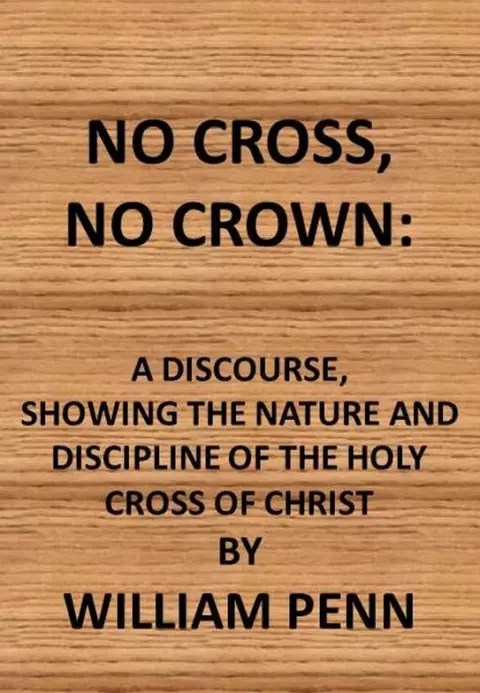
THE CLASSIC COLLECTION · 1682
"No Cross, No Crown: A Discourse Shewing the Nature and Discipline of the Holy Cross of Christ" by William Penn is a religious treatise written in the mid-19th century. This work explores the Christian concept of self-denial and emphasizes the necessity of bearing the cross as part of true discipleship. It reflects on the importance of inner transformation and spiritual obedience, contrasting genuine faith with the superficial Christianity prevalent in society. The opening of the discourse establishes the author’s deep concern for the spiritual condition of Christians who neglect the essential tenets of their faith. Penn calls upon his readers to introspectively examine their lives, discussing the consequences of living in sin and the indifference towards personal commitment to Christ. He emphasizes that embracing the cross—a symbol of suffering and self-denial—is the only path to achieving true salvation and the eternal crown promised by God. Highly reflective and earnest, the beginning of the treatise sets the stage for an exploration of the struggle between worldly desires and the spiritual journey towards righteousness.
Introduction adapted from the source catalogue; source summaries may be automatically generated.
Free to read · English · 121,105 words · No account needed
MAKE TIME FOR A GOOD BOOK
On by default. Untick to stop anonymous reading totals. Each page counts after 10 seconds in view. How this works.
Anonymous counting is on unless you have switched it off.
1. The customs, fashions, &c. which make up the attire and pleasure of the age, are enemies to inward retirement.--2. Their end is to gratify lust.--3. Had they been solid, Adam and Eve had not been happy, that never had them.--4. But the confidence and presumption of Christians, as they would be called, in the use of them is abominable.--5. Their authors further condemn them, who are usually loose and vain people.--6. Mostly borrowed of the Gentiles, that knew not God.--7. An objection of their usefulness considered and answered, and the objectors reproved.--8. The best heathens abhorring what pretended Christians plead for.--9. The use of these things encourages the authors and makers of them to continue in them.--10. The objection of the maintenance of families answered. None must do evil, that good should follow: but better employments may be found more serviceable to the world.--11. Another objection answered: GOD no author of their inventions, and so not excusable by his institution.--12. People pleading for these vanities show what they are. An exhortation to the weighty and considerate. A great part of the way to true discipleship, is to abandon the school and shop of Satan.
I. Next, those customs and fashions, which make up the common attire and conversation of the times, do eminently obstruct the inward retirement of people's minds, by which they may come to behold the glories of immortality: who instead of fearing their Creator in the days of their youth, and seeking the kingdom of God in the first place, (Eccl. xii. 1; Luke, xii. 31,) expecting the addition of such other things as may be necessary and convenient, according to the injunctions of God and the Lord Jesus Christ; as soon as they can do anything, they look after pride, vanity, and that conversation which is most delightful to the flesh, (Jer. xviii. 18-20,) which becomes their most delightful entertainment: all which do but evidently beget lustful conceptions, and inflame to inordinate thoughts, wanton discourses, lascivious treats, if not at last to wicked actions. To such it is tedious and offensive to speak of heaven or another life. Bid them reflect upon their actions, not grieve the Holy Spirit, consider of an eternal doom, prepare for judgment; and the best return that is usual is reproachful jests, (Eph. v. 3, 4,) profane repartees, if not direct blows. Their thoughts are otherwise employed: their mornings are too short for them to wash, to smooth, to paint, to patch, to braid, to curl, to gum, to powder, and otherwise to attire and adorn themselves; (Psalm xii. 2; Isa. v.; xii.; lix. 3, 4;) whilst their afternoons are as commonly bespoke for visits and for plays; where their usual entertainment is some stories fetched from the more approved romances; some strange adventures, some passionate amours, unkind refusals, grand impediments, importunate addresses, miserable disappointments, wonderful surprises, unexpected encounters, castles surprised, imprisoned lovers rescued, and meetings of supposed dead ones; bloody duels, languishing voices echoing from solitary groves, overheard mournful complaints, deep-fetched sighs sent from wild deserts, intrigues managed with unheard-of subtlety; and whilst all things seem at the greatest distance, then are dead people alive, enemies friends, despair turned to enjoyment, and all their impossibilities reconciled: things that never were, nor are, nor ever shall or can be, they all come to pass. And as if men and women were too slow to answer the loose suggestions of corrupt nature; or were too intent on more divine speculations and heavenly affairs, they have all that is possible for the most extravagant wits to invent; not only express lies, but utter impossibilities to very nature, on purpose to excite their minds to those idle passions, and intoxicate their giddy fancies with swelling nothings but airy fictions: which not only consume their time, effeminate their natures, debase their reason, and set them on work to reduce these things to practice, and make each adventure theirs by imitation; but if disappointed,--as who can otherwise expect from such mere phantasms?--the present remedy is latitude in the greatest vice. And yet these are some of their most innocent recreations, which are the very gins of Satan, to ensnare people; contrived most agreeable to their weakness, and in a more insensible manner mastering their affections by entertainments most taking to their senses. On such occasions it is their hearts breed vanity, and their eyes turn interpreters to their thoughts, and their looks do whisper the secret inflammations of their intemperate minds; (Prov. vii. 10-21;) wandering so long abroad, till their lascivious actings bring night home, and load their minds and reputations with lust and infamy.
Your reading position is saved on this browser. Take it to another device with a library code. Reading pages adapt to text, rather than matching a printed edition.
BEHIND THE BOOK
This eBook is for the use of anyone anywhere in the United States and most other parts of the world at no cost and with almost no restrictions whatsoever. You may copy it, give it away or re-use it under the terms of the Project Gutenberg License included with this eBook or online at www.gutenberg.org. If you are not located in the United States, you will have to check the laws of the country where you are located before using this eBook. Read the source licence.
The original source file, including credits and licence, is retained by this library. Request an original-format copy at no charge. Please include the book title and Project Gutenberg identifier #44895.
KEEP YOUR CURIOSITY GOING

David Patterson (Spirit) Hatch

David Patterson (Spirit) Hatch

David Patterson (Spirit) Hatch

Edwin Abbott Abbott

Richard Watson
T. G. (Theophilus Gould) Steward