THE CLASSIC COLLECTION✦An outlaw’s diary: the CommuneCLASSIC FREE BOOKS
An outlaw’s diary: the Commune
Cécile Tormay
THE CLASSIC COLLECTION · 1877
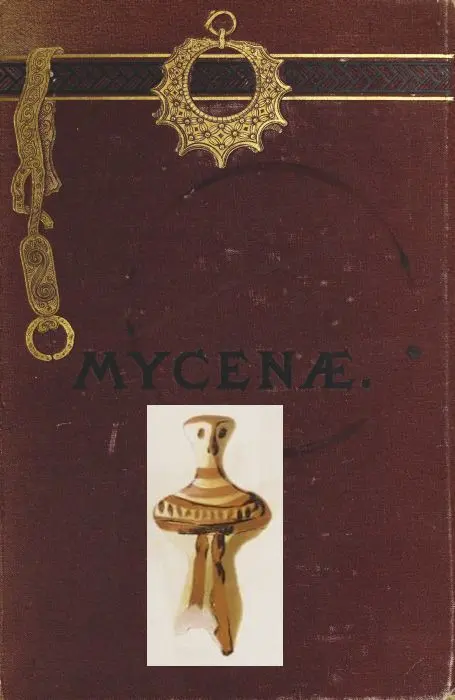
"Mycenæ: A Narrative of Researches and Discoveries at Mycenæ and Tiryns" by Dr. Henry Schliemann is an archaeological account written in the late 19th century. The work documents Schliemann's excavations and findings in the ancient sites of Mycenæ and Tiryns, exploring the connections between these archaeological discoveries and the narratives found in Homeric texts. The book is likely to appeal to readers interested in archaeology, classical studies, and the historical significance of ancient Greek civilization. The opening of the text sets the stage for an in-depth exploration of Mycenæ’s archaeology, revealing the riches and historical context surrounding the site. In this initial portion, readers are introduced to Schliemann’s motivations for conducting the excavations, which stem from a desire to uncover the truth behind ancient Greek mythology and history. The preface by W.E. Gladstone emphasizes the importance of Schliemann's discoveries, hinting at the potential connections between the archaeological findings and the Homeric epics. As Schliemann presents his early observations, he lays the groundwork for a narrative that will intertwine scientific inquiry with classical literature, inviting the audience to engage with both the artifacts and the stories of the past.
Introduction adapted from the source catalogue; source summaries may be automatically generated.
Free to read · English · 123,175 words · No account needed
MAKE TIME FOR A GOOD BOOK
On by default. Untick to stop anonymous reading totals. Each page counts after 10 seconds in view. How this works.
Anonymous counting is on unless you have switched it off.
[142] Horace, Epod. V. 86.
[143] From αἴξ (root αἰγ), a goat.
[144] Il. II. 101.
[145] Homer, Od. III. 263-275.
[146] Od. IV. 524-535; compare I. 35; III. 234; IV. 91; IX.
387; XXIV. 20, 97.
[147] Od. I. 36.
[148] Od. III. 305-310.
[149] Welcker, Gr. Trag. I. s. 358.
[150] Il. IX. 149-154.
[151] Il. II. 569.
[152] XIII. p. 582.
[154] Paus. III. 11, 10.
[155] IX. p. 401.
[158] VIII. p. 372.
[159] Herod. VII. 202.
[160] Herod. IX. 28.
[161] Paus. VII. 25, 6.
[163] Il. II. 569: ἐϋκτίμενον πτολίεθρον.
[164] Il. IV. 52: ἐρυάγυια Μυκήνη.
[165] Il. VII. 180: Od. III. 305:
πολυχρύσοιο Μυκήνης.
[167] VIII. p. 373.
[168] Il. II. 561.
[170] VIII. p. 368.
[171] II. 16, 6: Λείπεται δὲ ὅμως ἔτι καὶ ἄλλα τοῦ περιβόλου καὶ ἡ πύλη, λέοντες δὲ ἐφεστήκασιν αὐτῇ: Κυκλώπων δὲ καὶ ταῦτα ἔργα εἶναι λέγουσιν, οἳ Προίτῳ τὸ τεῖχος ἐποίησαν ἐν Τίρυνθι. Μυκηνῶν δὲ ἐν τοῖς ἐρειπίοις κρήνη τέ ἐστι καλουμένη Περσεία καὶ Ἀτρέως καὶ τῶν παίδων ὑπόγαια οἰκοδομήματα, ἔνθα οἱ θησαυροί σφισι τῶν χρημάτων ἦσαν. τάφος δὲ ἔστι μὲν Ἀτρέως: εἰσὶ δὲ καὶ ὅσους σὺν Ἀγαμέμνονι ἐπανήκοντας ἐξ Ἰλίου δειπνίσας κατεφόνευσεν Αἴγισθος. Τοῦ μὲν δὴ Κασσάνδρας μνήματος ἀμφισβητοῦσι Λακεδαιμονίων οἱ περὶ Ἀμύκλας οἰκοῦντες: ἕτερον δέ ἐστιν Ἀγαμέμνονος, τὸ δὲ Εὐρυμέδοντος τοῦ ἡνιόχου, καὶ Τελεδάμου τὸ αὐτὸ καὶ Πέλοπος, τούτους γὰρ τεκεῖν διδύμους Κασσάνδραν φασί, νηπίους δὲ ἔτι ὄντας ἐπικατέσφαξε τοῖς γονεῦσιν Αἴγισθος, καὶ Ἠλέκτρας: Πυλάδῃ γὰρ συνῴκησεν Ὀρέστου δόντος. Ἑλλάνικος δὲ καὶ τάδε ἔγραψε, Μέδοντα καὶ Στρόφιον γενέσθαι Πυλάδῃ παῖδας ἐξ Ἠλέκτρας. Κλυταιμνήστρα δὲ ἐτάφη καὶ Αἴγισθος ὀλίγον ἀπωτέρω τοῦ τείχους: ἐντὸς δὲ ἀπηξιώθησαν, ἔνθα Ἀγαμέμνων τε αὐτὸς ἔκειτο καὶ οἱ σὺν ἐκείνῳ φονευθέντες.
[173] 'Peloponnesiaca,' vol. ii. p. 365.
[174] 'A Classical and Topographical Tour through Greece,' vol.
ii. p. 236.
[175] 'Denkwürdigkeiten und Erinnerungen,' vol. ii. p. 276.
[176] 'Peloponnes,' vol. ii. pp. 411-413.
[177] XI. 65: καὶ διέμεινεν ἀοίκητος μέχρι τῶν καθ᾽ ἡμᾶς χρόνων.
[178] Strabo, VIII. p. 372: ὥστε νῦν μήδ᾽
ἴχνος εὑρίσκεσθαι τῆς Μυκηναίων
πόλεως.
[179] In the engraving, No. 25, the spout is partly hidden by
one of the handles.
[180] See the Plates of Mycenean Pottery, Nos. 30-78. A Vase (No. 23a) is placed, for the sake of convenience, as a tail-piece to Chapter II. p. 51.
[181] See 'Troy and its Remains,' chap. vi. pp. 103-4.
[182] See Nos. 31, 35, 41, 46, 50 and 52.
[183] See Nos. 31, 35, 50, and 52.
[184] See Nos. 41 and 48.
[185] See Nos. 33, 40, 42, 45.
[186] See Nos. 30, 43, 44.
[187] See the coloured and plain Plates of Idols; the latter
containing the figures Nos. 90-110.
[188] See also the coloured Plate C, fig. m.
[189] See also the coloured Plate C, fig. l.
[190] They are like those figured under Nos. 137, 139, p. 79,
and No. 165, p. 109.
[191] Il. XVIII. 558-560:--
κήρυκες δ' ἀπάνευθεν ὑπὸ δρυï
δαῖτα πένοντο,
βοῦν δ' ἱερεύσαντες μέγαν ἄμφεπον,
aἳ δὲ γυναῖκες
δεῖπνον ἐρίθοισιν, λεύκ' ἄλφιτα
πολλὰ πάλυνον.
"'A little way removed, the heralds slew
A sturdy ox, and now beneath an oak
Prepared the feast; while women mixed, hard by,
White barley porridge for the labourers' meal."
[192] Od. XIV. 76-77:--
ὀπτήσας δ' ἄρα πάντα φέρων παρέθηκ' 'Οδυσσῆï θερμ' αὐτοῖς ὀβελοῖσιν· ὁ δ' ἄλφιτα λευκὰ πάλυνεν.
And when he had roasted all, he brought it and put it before Ulysses,
still warm
on the spits, strewn over with white flour.
[193] See my 'Ithaque, le Péloponnèse, Troie.'
[194] See the Vignette to this Chapter, No. 24, p. 52.
[195] As we never hear of heroic chariots with one horse, this may be an imperfect representation of two. The same remark applies to the next tombstone. See p. 86.
[196] XXIV. 190 and 267. Homer also uses πείρινθα (the word only occurs in the accusative) for the wicker-basket which held the load fastened on to a cart (ἅμαξα); and this, its original sense, may be a guide to its form in the chariot also (comp. Od. xv. 131).
[197] Il. V. 727-728:--
δίφρος δὲ χρυσέοισι καὶ
ἀργυρέοισιν ἱμᾶσιν
ἐντέταται· δοιαὶ δὲ περίδρομοι
ἄντυγές εἰσιν.
"The chariot-board on gold and silver bands
Was hung, and round it ran a double rail."
Your reading position is saved on this browser. Take it to another device with a library code. Reading pages adapt to text, rather than matching a printed edition.
BEHIND THE BOOK
This eBook is for the use of anyone anywhere in the United States and most other parts of the world at no cost and with almost no restrictions whatsoever. You may copy it, give it away or re-use it under the terms of the Project Gutenberg License included with this eBook or online at www.gutenberg.org. If you are not located in the United States, you will have to check the laws of the country where you are located before using this eBook. Read the source licence.
The original source file, including credits and licence, is retained by this library. Request an original-format copy at no charge. Please include the book title and Project Gutenberg identifier #56940.
KEEP YOUR CURIOSITY GOING
Cécile Tormay

Moritz Busch
John L. Ransom
Frances Wright
Cécile Tormay

Mabel Potter Daggett