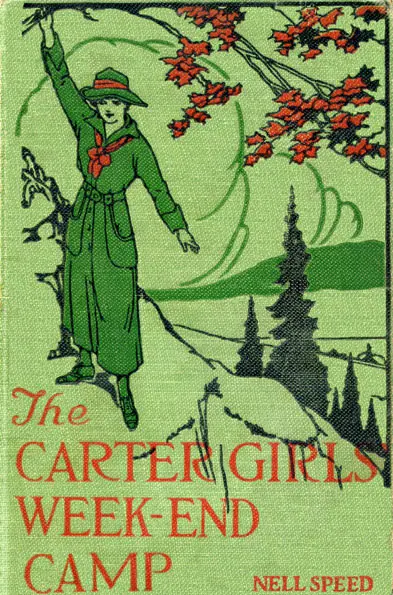
The Carter Girls’ Week-End Camp
Nell Speed
THE CLASSIC COLLECTION · 1921
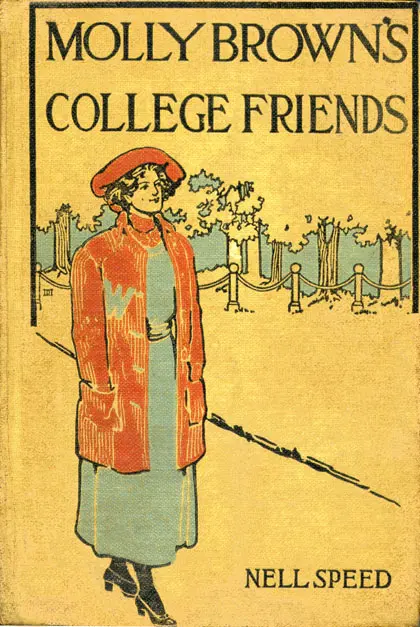
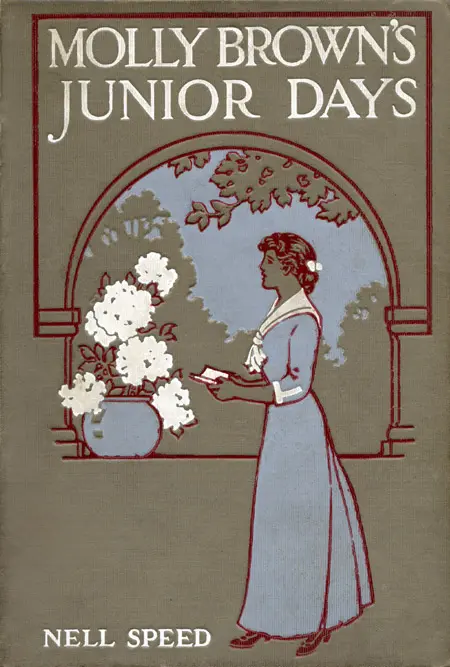
"Molly Brown's College Friends" by Nell Speed is a novel written in the early 20th century. The story delves into the lives of Molly Brown and her college friend Nance Oldham, exploring themes of friendship, change, and the longing for connection as they navigate their personal lives against the backdrop of societal expectations and grief. The narrative also invites readers to reflect on the impact of loss and the complexities of relationships, setting the stage for the development of the characters as they reconnect after years apart. At the start of the novel, Molly eagerly prepares to welcome her old friend Nance, who is coming to visit after experiencing significant family loss. Molly’s excitement is tinged with anxiety about how much Nance may have changed during their time apart. The arrival of Nance is met with warmth and affection, as she brings her own unique personality into Molly’s family atmosphere. Nance’s character is introduced as a capable and nurturing figure, despite carrying the weight of her recent grief. The opening chapters establish the foundation of their friendship and hint at the deeper interpersonal dynamics that will unfold as the characters reconnect and face the realities of their respective lives.
Introduction adapted from the source catalogue; source summaries may be automatically generated.
Free to read · English · 50,543 words · No account needed
MAKE TIME FOR A GOOD BOOK
On by default. Untick to stop anonymous reading totals. Each page counts after 10 seconds in view. How this works.
Anonymous counting is on unless you have switched it off.
"The plot is slight but certainly original in its way. The letters are too long, longer than a Godmother would be apt to write, I think. The story could be cut to three thousand words, I believe, to its advantage."
"I have already cut out about fifteen hundred words," wailed Molly. "The first writing was lots longer."
"Gee!" breathed the one eager for a hearing.
"Now for the characterization! Don't all speak at once, but one at a time tell what you think of it."
"Did you mean to make Polly so silly?" asked Lilian.
"I--I--perhaps!" faltered Molly.
"Of course if you meant to, why then your characterization is perfect."
"Silly! Why, she is dear," declared the girl from Alabama. "I don't like her having to nurse that black man, though."
"Too many points of view!" suddenly blurted out a member who had hitherto kept perfectly silent, but she had been eagerly scanning a paper whereon was written the requisites for a short story.
"But you see----" meekly began Molly.
"The point of view must either be that of the author solely or one of the characters," asserted the knowing one. "Why, you even let us know how the Bedouin feels."
"Oh!" gasped the poor author. "I think you would limit the story teller too much if you eliminated such things as that."
"Here's what the correspondence course says----"
"Spare us!" cried the club in a chorus.
"I hate all these cut and dried rules!" cried Billie. "It would take all the spice out of literature if we stuck to them."
"That's just it," answered Lilian. "We are not making literature but trying to sell our stuff. Persons who have arrived can write any old way. They can start off with the climax and end up with an introduction and their things go, but I'll bet you my hat that you will not find a single story by a new writer that does not have to toe the mark drawn by the teachers of short story writing."
"Which hat?" teased Billie. "The one you put on for Great-aunt Gertrude? If it is that one, I won't bet. I wouldn't read a short story by a new writer for it."
"To return to my story," pleaded Molly, "do you think if I rewrite it, leave out the letters, strengthen the plot a bit and make Polly a little wiser that I might sell it?"
"Sure!" encouraged Lilian.
"Yes, indeed!" echoed Nance.
"And the black man--please cut him out! I can't bear to think of him," from the girl from Alabama.
"Dialogue,--how about it?" asked the chairman.
"Pretty good, but a little stilted," was the verdict of several critics.
Your reading position is saved on this browser. Take it to another device with a library code. Reading pages adapt to text, rather than matching a printed edition.
Nell Speed
Nell Speed
Nell Speed
Nell Speed
BEHIND THE BOOK
This eBook is for the use of anyone anywhere in the United States and most other parts of the world at no cost and with almost no restrictions whatsoever. You may copy it, give it away or re-use it under the terms of the Project Gutenberg License included with this eBook or online at www.gutenberg.org. If you are not located in the United States, you will have to check the laws of the country where you are located before using this eBook. Read the source licence.
The original source file, including credits and licence, is retained by this library. Request an original-format copy at no charge. Please include the book title and Project Gutenberg identifier #36733.
KEEP YOUR CURIOSITY GOING
Coulson Kernahan

Maurice Baring
Frances Wright
Cécile Tormay

Frederic Jesup Stimson

W. H. P. (William Henry Pope) Jarvis