The Christmas Holly
Marion Harland
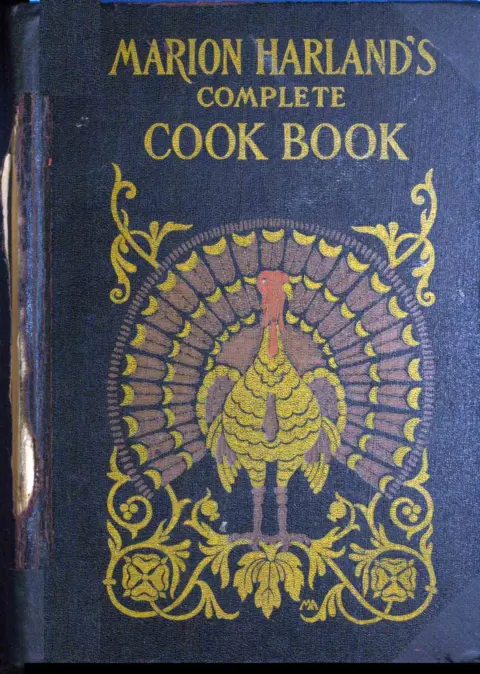
THE CLASSIC COLLECTION · 1903
"Marion Harland's Complete Cook Book" by Marion Harland is a comprehensive cookbook written in the late 19th century. This practical guide focuses on cookery and housekeeping, aiming to empower everyday housewives with a wealth of recipes and advice on managing a home. With meticulous attention to detail, Harland shares her extensive culinary knowledge, making it accessible to readers who may not be professional chefs. The opening of this work features a dedicatory preface in which the author reflects on her years of experience and previously published works, establishing her authority and deep understanding of domestic management. She emphasizes her commitment to serving the needs of housewives, signifying a shift towards dignifying housewifery as a profession. Following this, the beginning chapters delve into essential aspects of household management, including the importance of proper marketing for ingredients and effective methods of storing various food items to ensure freshness. The text promises a blend of detailed recipes and practical advice aimed at making the art of cooking an enjoyable and fulfilling experience for the reader.
Introduction adapted from the source catalogue; source summaries may be automatically generated.
Free to read · English · 235,614 words · No account needed
MAKE TIME FOR A GOOD BOOK
On by default. Untick to stop anonymous reading totals. Each page counts after 10 seconds in view. How this works.
Anonymous counting is on unless you have switched it off.
“Comfitures”—Preserves.
“Compote”—Fruit stewed in syrup.
“Consommé”—Clear soup.
“Cream sugar and butter”—Is to rub the sugar into the butter until they are well incorporated, then beat light and smooth.
“Creole, A la”—With tomatoes.
“Croquettes”—A savory mince of meat, or fowl, or fish, or mashed potatoes, rice or other vegetables, made into shapes and fried in deep fat.
“Croustade”—A kind of patty made of bread or prepared rice.
“Croutons”—Bread dice fried.
“Crumpet”—Raised muffins baked on a griddle.
“Curries”—Stews of meat or fish, seasoned with curry powder and served
with rice.
“De Brie”—A brand of fancy cheese.
“Demitasse”—A small cup; term usually applied to after-dinner coffee.
“Deviled”—Seasoned hotly.
“Eclair”—Pastry or cake filled with cream.
“En Coquille”—Served in shells.
“Endive”—A plant of the composite family used as a salad.
“Entrées”—Small made dishes served between courses at dinner.
“Entrements”—Second course side dishes, including vegetables, eggs and
sweets.
“Farcie”—Stuffed.
“Fillets”—Long thin pieces of meat or fish, generally rolled and tied.
“Fines herbes”—Minced parsley, etc.
“Finnan Haddock”—Haddock smoked and dried.
“Fondant”—Melting. Boiled sugar, the basis of French candy.
“Fondu”—A preparation of melted cheese.
“French dressing”—A simple salad dressing of oil, vinegar, salt, pepper, and sometimes mustard.
“Galantine”—Meat, boned, stuffed, rolled and boiled, always served cold.
“Glacé”—Iced.
“Glaze”—Stock boiled down to a thin paste.
“Grilled”—Broiled.
“Gruyére”—A brand of fancy cheese.
“Hors d’œuvres”—Relishes.
“Jardinière”—A mixed preparation of vegetables stewed in their own sauce; a garnish of vegetables.
“Julienne”—A clear soup with shredded vegetables.
“Koumiss”—Milk fermented with yeast.
“Lardoon”—The piece of salt pork used in larding.
“Lentils”—A variety of the bean tribe used in soups, etc.
“Marrons”—Chestnuts.
“Mayonnaise”—A salad dressing made of oil, the yolks of eggs, vinegar or lemon juice, salt and cayenne.
“Menu”—Bill-of-fare.
“Meringue”—The white of eggs whipped to a standing froth with powdered
sugar.
“Mousse”—Ice cream made from whipped cream.
“Noodles”—Dough, cut into strips or other shapes, dried and then
dropped into soup.
“Nougat”—Almond candy.
“Paprika”—Hungarian sweet red pepper.
“Pâté”—Some preparation of pastry, usually a small pie. Hence
“patty-pans.”
“Pâté de foie gras”—Small pie filled with fat goose liver.
“Pièce de résistance”—Principal dish at a meal.
“Pilau”—East Indian or Turkish dish of meat and rice.
“Pimento”—Jamaica pepper.
“Pimolas”—Small olives stuffed with pimento—i. e., sweet red pepper.
“Piquante”—Sharply flavored, as “sauce piquante,” a highly seasoned
sauce.
“Pistachio”—A pale greenish nut resembling the almond.
“Polenta”—An Italian mush made of Indian meal, or of ground chestnuts.
Your reading position is saved on this browser. Take it to another device with a library code. Reading pages adapt to text, rather than matching a printed edition.
Marion Harland
Marion Harland
Marion Harland

Marion Harland & Virginia Terhune Van de Water
BEHIND THE BOOK
This eBook is for the use of anyone anywhere in the United States and most other parts of the world at no cost and with almost no restrictions whatsoever. You may copy it, give it away or re-use it under the terms of the Project Gutenberg License included with this eBook or online at www.gutenberg.org. If you are not located in the United States, you will have to check the laws of the country where you are located before using this eBook. Read the source licence.
The original source file, including credits and licence, is retained by this library. Request an original-format copy at no charge. Please include the book title and Project Gutenberg identifier #64459.
KEEP YOUR CURIOSITY GOING

Charles G. (Charles Griffith) Ross
Hannah Webster Foster

Emily Lawless
Edwin Hamlin Carr

Charles De Lano Hine
Andrew Ure