THE CLASSIC COLLECTION✦Marsena, and Other Stories of the WartimeCLASSIC FREE BOOKS
Marsena, and Other Stories of the Wartime
Harold Frederic
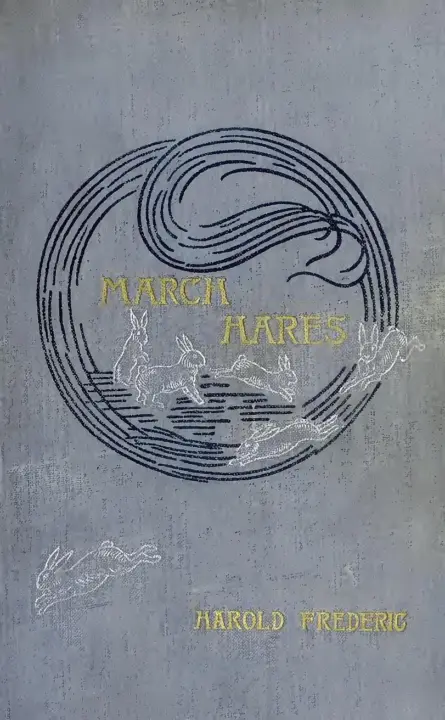
THE CLASSIC COLLECTION · 1896
"March Hares" by Harold Frederic is a novel written in the late 19th century. The story follows David Mosscrop as he navigates his thirtieth birthday with feelings of despair and self-reflection while encountering a young woman named Vestalia Peaussier on Westminster Bridge. Their meeting sparks a connection that challenges both of their perspectives on life, suggesting themes of hope, social class, and the complexity of human relationships. The opening of "March Hares" sets an introspective tone as David initially grapples with a sense of failure and existential dread on his birthday. He contemplates the meaning of his existence while people-watching on the bridge, feeling a connection to the lives of the passersby. When he spots Vestalia, a woman he recognizes from the British Museum, there is a moment of intrigue that soon blossoms into a light-hearted and flirtatious exchange. Their conversational chemistry reveals Vestalia's struggles, as she is temporarily without a home, and highlights David's emerging interest in her welfare. This dynamic sets the stage for an exploration of their respective challenges and the potential for change in their lives, all while lending a sense of warmth and optimism to their fateful encounter.
Introduction adapted from the source catalogue; source summaries may be automatically generated.
Free to read · English · 48,351 words · No account needed
MAKE TIME FOR A GOOD BOOK
On by default. Untick to stop anonymous reading totals. Each page counts after 10 seconds in view. How this works.
Anonymous counting is on unless you have switched it off.
“Dead as a mackerel, thank God. My lawyers certify to the blessed event. They ought to know. They have stood in the breach for four years, warding off writs, injunctions, mandamuses, and appeals, with which she and the unscrupulous scoundrels, her solicitors, bombarded them. The costs those ancient parties must have charged up against me! Man, I’m fair frightened to go into the City and face them. There are three attempts at judicial separation, one divorce suit, two petitions for restoration of conjugal rights, three examinations of witnesses by commission, four appeals--the thought of those bills sickens me, Davie.”
“You’re well out of the noose at any cost.”
“Well, then, if your neck is free, keep it so, man!”
David smiled with gentle self-assurance.
“Ah, laddie, if you could have seen the innocence of her. She drank Capri at breakfast, and then champagne at luncheon, and more of the same at dinner, with old tawny port on top of it--all as trustingly and confidingly as a babe. It softened one’s heart to see her lack of guile, her pretty inexperience.”
The Earl sniffed audibly. “Oh, ay, it’s a beautiful spectacle, no doubt, and very touching. The pity is that magistrates will not always view it in that light next morning. But then so many things look different in the morning.”
Again Mosscrop smiled. “Save your moans, Archie,” he advised, “till you see her yourself. You’ll meet the lady at breakfast.”
“I’m damned if I do,” said Drumpipes.
“Now then, you’re talking like an idiot. You, a hunter of lions and crocodiles and wild asses of the desert, to turn tail and run from one wee yellow-headed lassie! and desert an old friend, moreover, who needs your advice and judgment in the most important matter of his life! You know you’re flatly incapable of it.”
“I’ll not promise to be civil to her if I stop,” the other growled. “The mere thought of yellow-haired women is nauseating to me. Why on earth, man, if you must make a stark-staring lunatic of yourself, could you not hit on a decent and reputable colour?”
“Never a dye has touched it,” protested David. “It’s as natural as the sunshine--and as radiant.”
“Then you’re a ruined man, Davie,” the Earl gravely declared, between puffs at his pipe. “There may be some saving quality in a woman who merely dyes her hair. An honest nature may persist beneath the painted wig, in spite of her endeavours. But if she’s a tortoise-shell tabby born, then you might better be dead than sitting there mooning about her. I give you up as a lost creature!”
Your reading position is saved on this browser. Take it to another device with a library code. Reading pages adapt to text, rather than matching a printed edition.
Harold Frederic
Harold Frederic
Harold Frederic
Harold Frederic
BEHIND THE BOOK
This eBook is for the use of anyone anywhere in the United States and most other parts of the world at no cost and with almost no restrictions whatsoever. You may copy it, give it away or re-use it under the terms of the Project Gutenberg License included with this eBook or online at www.gutenberg.org. If you are not located in the United States, you will have to check the laws of the country where you are located before using this eBook. Read the source licence.
The original source file, including credits and licence, is retained by this library. Request an original-format copy at no charge. Please include the book title and Project Gutenberg identifier #54986.
KEEP YOUR CURIOSITY GOING
Coulson Kernahan

Maurice Baring
Frances Wright
Cécile Tormay

Frederic Jesup Stimson

W. H. P. (William Henry Pope) Jarvis