
Last letters from the living dead man
David Patterson (Spirit) Hatch
THE CLASSIC COLLECTION · 1900
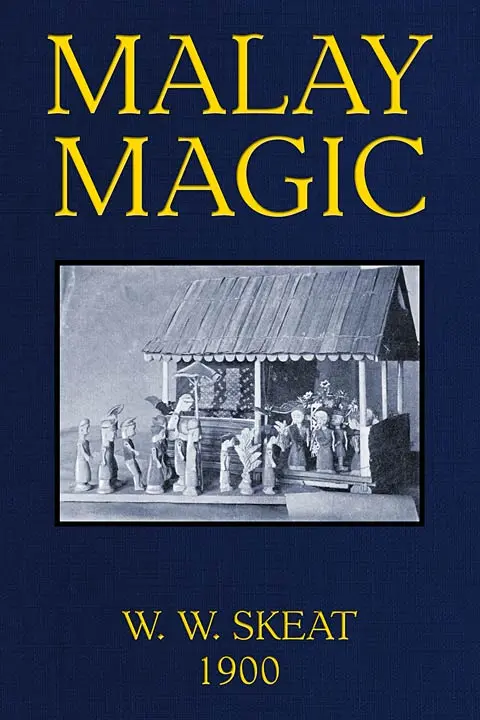
"Malay Magic" by Walter William Skeat is an introductory work on folklore and popular religion written in the late 19th century. It explores the rich tapestry of beliefs, customs, and magical practices of the Malays in the Malay Peninsula, drawing upon a variety of sources, including personal observations, native manuscripts, and published works. The book aims to document and analyze the traditional beliefs and practices that are integral to Malay culture, highlighting the complexity of their folklore intertwined with influences from Indian, Arab, and indigenous sources. The opening of the book sets the stage for a comprehensive exploration of Malay folklore, establishing the author's intent to create a representative account of Malay beliefs and magical practices. Skeat introduces the key themes such as creation myths, the understanding of nature, and the relationships between humans and the supernatural world. He reflects on the significance of various folkloric beliefs, such as the creation of the world and the role of magic in everyday life, and emphasizes the importance of these elements in understanding the Malay identity and culture. As he begins to unfold these narratives, the reader is invited into the intricate world of Malay magic, laying the foundation for the detailed studies that follow.
Introduction adapted from the source catalogue; source summaries may be automatically generated.
Free to read · English · 226,518 words · No account needed
MAKE TIME FOR A GOOD BOOK
On by default. Untick to stop anonymous reading totals. Each page counts after 10 seconds in view. How this works.
Anonymous counting is on unless you have switched it off.
1 Lekun or Gendang besar, Head-dress: 100 to 200 Indoors, with S'ri Rama, Dewa Lakun (Kedah gong, gambang kechobong, chawat (in choruses) proper scenery Matahari, Sendrong, and Siam). dua-b'las, kromong (sayap all females, and dresses Prak Jusin. (or mong-mong), layang-lay-ang), except the (masks). anak ayam, sabok, bimpau, sap musicians. breng-breng, suang, g'lang, serunei, cherek. g'lang kana (= kena), changgei, saluar. 2 Mendura Gedombak, gedu, Same as in the About 10 to Out doors; no S'ri Rama, Lak (Siam). serunei, cherek, Lekun. 15 good scenery. Kenawan, Timun Muda, mong, breng-breng performers; Iprat, Prak Jusin, anak ayam; but not all male, Pran Bun, Sendrong, gendang, rebab, or including the Dewa Matahari. gong. Princess. 3 Ma'yong Rebab (yang Head-dress: tanjak 10 to 20 (15 Out doors; no Dewa Sri Rama, Dewa (Siam). betuah), gendang (sapu tangan), g'rak is the scenery, which Muda, Dewa Pechi, (2), gong (2), gempa, sabok, bimpau average), is, however, Gambar Lilin, Batak gedombak (2), g'lang, changgei, both male and described by the Puteh, Siamang Gila, gedu-gedu (1), saluar, sarong, female. performers. Raja Gondang, Gajah b'reng-b'reng (1); baju, topeng (pran). Panggong and Dang Daru, Bijak mong-mong (2), langit-langit Laksana, Raja Muda serunei (1), anak are all that is sama Puyuh, Pran ayam (2), cherek required. Bun, Timun Muda, Lak (10-20). Kenawan, Iprat, Putri Duab'las, Dewa Bisnu, Solong Sakti, Putri Bongsu, Megat Gembang Sultan Kechil Bongsu di`Alam, Bongsu Kechil S'ri`Alam, Bujang Lempawi. 4 Wayang Kun Gong, gendang, Same as in the 30 to 40, Indoors; no Same as in the (Siam). kromong, anak ayam, Lekun, except that both male and scenery. Lekun. b'reng-b'reng, the kechobong is not female. gambang dua-b'las, used, but a sort of serunei; but not ornamental sampul or cherek or rebab. songko' with artificial flowers, Different airs g'rak gempa. Females (lagu) from those wear jambangan, a used in the Lekun. made-up head-dress, also sambok, sap suang, chawat, saluar; but not g'lang or changgei. 5 Mek Mulong Same as in the Same as in the 8 to 15, Out doors; a Malim Bongsu, Awang (Siam?) Ma'yong, but the Ma'yong. males and panggong, as in Salamat. rebana is used females. the Ma'yong. instead of the rebab, gendang, and b'reng-b'reng. 6 Bangsawan Biola, kechapi, Persian in 30 to 50, all Indoors; Lela Majnun, Sap Parsi Indra gendang (dul), character. males except sevenfold langit Jafri, Raja Gelepam, Sabor gong, etc., as in 2 or 3 langit, and etc. (Persia?) the Mendu. females. tabir; wires are used in some performances to enable performers impersonating Dewas, etc. to fly. 7 Mendu Gendang (dul), Same as in the 20 to 50 Indoors; the Saifu-'l-Yazan, Siti (Pontianak). gong, Wayang China, i.e. Malays acting same rough Zubeidah, Ken b'reng-b'reng, Chinese in Malay scenery as in Tabohan, `Abdul biola, kechapi, character: a baju stories, but Chinese Muluk, Bestamam, piano (or argin, teratei, a small in Chinese theatres; there Mara Karma, i.e. concertina), jacket without dress; both are small Bidasari, Dewa Mendu sam dyen (Chinese), sleeves; head-dress: male and theatres for the di Negri Langkadura, resembling the mahkota (bulu female. Mendu at etc., most, if not rebab; chên-chên kuang), beard and Singapore, all, being war-like (cymbals), and whiskers. Pahla-wans Penang, and themes. gendang singa. are distinguished by Malacca. a koh sah (decoration on the fore-head); socks are worn. 8 Wayang Makau The same as in the Chinese in 20 to 50, Indoors. Siti Zubeidah, and (China). Mendu. character. male and also Chinese female. subjects. 9 Wayang Kulit Various. According to the -- Indoors. Chekil Wanam Pati, (Java) [but nationality Jarang K'lena, Misa the stories represented. Perbu Jaya, Misa are Kiamang, Lalat Javanese, Hijau, Kalang Malay, Bongkang, Panji Siamese and Samerang, K'ra Amas, Chinese]. Iran Kasuma, etc.
Your reading position is saved on this browser. Take it to another device with a library code. Reading pages adapt to text, rather than matching a printed edition.
BEHIND THE BOOK
This eBook is for the use of anyone anywhere in the United States and most other parts of the world at no cost and with almost no restrictions whatsoever. You may copy it, give it away or re-use it under the terms of the Project Gutenberg License included with this eBook or online at www.gutenberg.org. If you are not located in the United States, you will have to check the laws of the country where you are located before using this eBook. Read the source licence.
The original source file, including credits and licence, is retained by this library. Request an original-format copy at no charge. Please include the book title and Project Gutenberg identifier #47873.
KEEP YOUR CURIOSITY GOING
David Patterson (Spirit) Hatch

David Patterson (Spirit) Hatch

David Patterson (Spirit) Hatch

Maurice Baring
Francis Greenleaf Allinson & Anne C. E. (Anne Crosby Emery) Allinson

Edwin Abbott Abbott