
Switch off
Oliver Optic
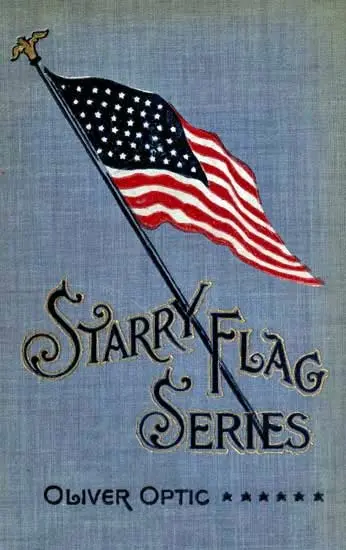
THE CLASSIC COLLECTION · 1896
"Make or Break; or, The Rich Man's Daughter" by Oliver Optic is a novel written in the late 19th century. This story unfolds in Boston and centers around young characters, particularly Leo Maggimore, the adopted son of a barber named André, and Fitzherbert Wittleworth, a conceited young clerk in a banking firm. As Leo navigates his burgeoning responsibilities after an unfortunate incident involving his foster father's health, themes of ambition, adversity, and the bonds of chosen family begin to emerge. The opening of the novel introduces readers to various characters and establishes their relationships and struggles. The scene begins in a barber shop where Fitz Wittleworth is ridiculed for his pretentiousness while receiving a shave, setting a comedic yet critical tone for the social dynamics at play. As tensions escalate, Fitz finds himself in conflict with his employer, Mr. Checkynshaw, while simultaneously, Leo grapples with the impending burden of his family responsibilities as André suffers a stroke. The narrative hints at Leo's determination to support those he loves despite the challenges—suggesting a careful exploration of resilience and moral duty throughout the unfolding story.
Introduction adapted from the source catalogue; source summaries may be automatically generated.
Free to read · English · 57,005 words · No account needed
MAKE TIME FOR A GOOD BOOK
On by default. Untick to stop anonymous reading totals. Each page counts after 10 seconds in view. How this works.
Anonymous counting is on unless you have switched it off.
Mr. Checkynshaw took from his pocket the letter he had written in his private office, and the French note paper he had purchased at the stationery store, and handed them to her.
"If you will sit down in the other room, and give me a translation into French of this letter, I can at once determine whether you would be of any service to us. If you are, we will pay you very liberally; but most of our work of this kind is translating French into English."
"I will try, sir," replied Maggie.
"I will stay here with your father while you do it."
Maggie went into the rear room; and in less than half an hour she produced a translation of the letter handed to her.
"That is excellently well done, miss," said Mr. Checkynshaw, when he had glanced at the translation. "You write a beautiful hand. It is even better than my daughter's."
"You are very kind, sir."
"I will keep this as a specimen of your work. Here are two dollars for the job," added Mr. Checkynshaw, as he gave her the money.
"Indeed, sir, you are too kind. I don't ask any money for that."
"Take it, Maggie; I always pay people that work for me, especially when they do their work as well as you have done this. Take it, miss, or I shall be offended."
It was not safe to offend such a munificent patron, and Maggie took the money, blushing as she did so.
Mr. Checkynshaw folded up the translation, and put it into his pocket; and, promising to send her some more letters in a few days, he took his leave. The banker went back to his private office. After ransacking his papers for a long time, he found an old letter directed to him, in the care of the firm, postmarked at Paris, with a French postage stamp upon it. Into the envelope of this letter he thrust the translation which Maggie had made.
The banker seated himself in his arm-chair, put his feet on the desk, and lighted a cigar. Mr. Checkynshaw held to the pernicious belief that smoking soothed the nerves of an excited man. He smoked and thought for a while, till his meditations were disturbed by the entrance of Mrs. Wittleworth and Fitz.
"I hope you will excuse me for coming again so soon, Mr. Checkynshaw," said Mrs. Wittleworth, timidly.
"I hope you'll excuse me too," added Fitz, thrusting his thumbs into the arm-holes of his vest, and pursing up his under lip, as he had a habit of doing when he particularly realized his own importance.
Your reading position is saved on this browser. Take it to another device with a library code. Reading pages adapt to text, rather than matching a printed edition.
BEHIND THE BOOK
This eBook is for the use of anyone anywhere in the United States and most other parts of the world at no cost and with almost no restrictions whatsoever. You may copy it, give it away or re-use it under the terms of the Project Gutenberg License included with this eBook or online at www.gutenberg.org. If you are not located in the United States, you will have to check the laws of the country where you are located before using this eBook. Read the source licence.
The original source file, including credits and licence, is retained by this library. Request an original-format copy at no charge. Please include the book title and Project Gutenberg identifier #26695.
KEEP YOUR CURIOSITY GOING
Coulson Kernahan

Maurice Baring
Frances Wright
Cécile Tormay

Frederic Jesup Stimson

W. H. P. (William Henry Pope) Jarvis
