
Switch off
Oliver Optic
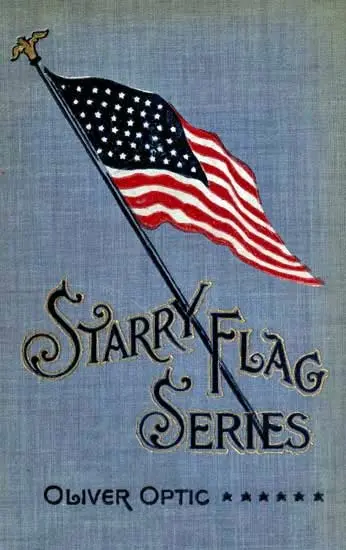
THE CLASSIC COLLECTION · 1896
"Make or Break; or, The Rich Man's Daughter" by Oliver Optic is a novel written in the late 19th century. This story unfolds in Boston and centers around young characters, particularly Leo Maggimore, the adopted son of a barber named André, and Fitzherbert Wittleworth, a conceited young clerk in a banking firm. As Leo navigates his burgeoning responsibilities after an unfortunate incident involving his foster father's health, themes of ambition, adversity, and the bonds of chosen family begin to emerge. The opening of the novel introduces readers to various characters and establishes their relationships and struggles. The scene begins in a barber shop where Fitz Wittleworth is ridiculed for his pretentiousness while receiving a shave, setting a comedic yet critical tone for the social dynamics at play. As tensions escalate, Fitz finds himself in conflict with his employer, Mr. Checkynshaw, while simultaneously, Leo grapples with the impending burden of his family responsibilities as André suffers a stroke. The narrative hints at Leo's determination to support those he loves despite the challenges—suggesting a careful exploration of resilience and moral duty throughout the unfolding story.
Introduction adapted from the source catalogue; source summaries may be automatically generated.
Free to read · English · 57,005 words · No account needed
MAKE TIME FOR A GOOD BOOK
On by default. Untick to stop anonymous reading totals. Each page counts after 10 seconds in view. How this works.
Anonymous counting is on unless you have switched it off.
Mr. Checkynshaw walked down to No. 3 Phillimore Court. It was very plain that he had business there, for it was not his style to visit a poor man who was sick. He was admitted by Maggie, who feared that his coming related to the robbery of his safe, and that Leo might be in some manner implicated in that affair.
"How is your father, miss?" asked the stately gentleman from State Street, as he entered the house.
"He is more comfortable to-day, sir; but I don't know that he is really any better," answered Maggie.
"I am very sorry he is sick. I miss him very much. He has waited upon me at the shop for several years, and I never let any other barber shave me, if I can have him by waiting an hour," added Mr. Checkynshaw, with a degree of condescension which he rarely exhibited. "You are his daughter, I believe."
"Not his own daughter; but it is just the same."
"I think I have seen you at the shop several times."
"Yes, I always carry up mon pere's dinner at half past twelve. He
can't come home at noon."
"Mon pere! You speak French--do you?"
"Yes, sir. I speak French and English equally well. Won't you go in and
see mon pere!"
Mr. Checkynshaw would be very glad to see Andre, and Maggie conducted
him to the front room.
"I am sorry you are sick, Andre," said the great man.
"Thank you, sir. It is very kind of you to call upon me," replied Andre, amazed at the gracious mien of one who had rarely spoken to him save in the tones of authority, addressing him as a menial and an inferior.
"I always feel an interest in those I see every day; but the fact that you were taken sick at my house probably brought the matter more directly to my attention. Are you comfortably provided for, Andre?" asked the rich man, glancing around the room.
"Yes, sir; thank you, sir. I have everything I need," replied Andre, faintly; for he was not quite so sure of what he said as he wished to be, though his pride and independence revolted at any suggestion of charity.
"I saw Leo up in State Street. Your boy's name is Leo--isn't it?" asked the banker, just as though it derogated from his dignity to know the name of a poor boy like the barber's son.
"Yes, sir; his name is Leo," replied Maggie, taking up the
conversation, so that the invalid might not be compelled to talk too
much.
"He is driving quite a trade in white mice," laughed the great man.
Your reading position is saved on this browser. Take it to another device with a library code. Reading pages adapt to text, rather than matching a printed edition.
BEHIND THE BOOK
This eBook is for the use of anyone anywhere in the United States and most other parts of the world at no cost and with almost no restrictions whatsoever. You may copy it, give it away or re-use it under the terms of the Project Gutenberg License included with this eBook or online at www.gutenberg.org. If you are not located in the United States, you will have to check the laws of the country where you are located before using this eBook. Read the source licence.
The original source file, including credits and licence, is retained by this library. Request an original-format copy at no charge. Please include the book title and Project Gutenberg identifier #26695.
KEEP YOUR CURIOSITY GOING
Coulson Kernahan

Maurice Baring
Frances Wright
Cécile Tormay

Frederic Jesup Stimson

W. H. P. (William Henry Pope) Jarvis
