
Switch off
Oliver Optic
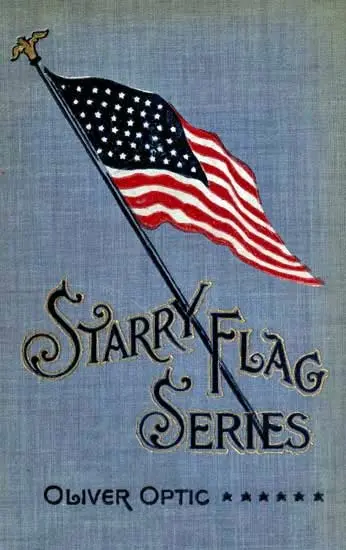
THE CLASSIC COLLECTION · 1896
"Make or Break; or, The Rich Man's Daughter" by Oliver Optic is a novel written in the late 19th century. This story unfolds in Boston and centers around young characters, particularly Leo Maggimore, the adopted son of a barber named André, and Fitzherbert Wittleworth, a conceited young clerk in a banking firm. As Leo navigates his burgeoning responsibilities after an unfortunate incident involving his foster father's health, themes of ambition, adversity, and the bonds of chosen family begin to emerge. The opening of the novel introduces readers to various characters and establishes their relationships and struggles. The scene begins in a barber shop where Fitz Wittleworth is ridiculed for his pretentiousness while receiving a shave, setting a comedic yet critical tone for the social dynamics at play. As tensions escalate, Fitz finds himself in conflict with his employer, Mr. Checkynshaw, while simultaneously, Leo grapples with the impending burden of his family responsibilities as André suffers a stroke. The narrative hints at Leo's determination to support those he loves despite the challenges—suggesting a careful exploration of resilience and moral duty throughout the unfolding story.
Introduction adapted from the source catalogue; source summaries may be automatically generated.
Free to read · English · 57,005 words · No account needed
MAKE TIME FOR A GOOD BOOK
On by default. Untick to stop anonymous reading totals. Each page counts after 10 seconds in view. How this works.
Anonymous counting is on unless you have switched it off.
"It's all the same; it was bad bringing up. I can't have him in my office again," added Mr. Checkynshaw, though at that moment, for some reason best known to himself, he would have been very glad to forgive the young man's insolence, and take him back at double salary. "That boy has outraged my good-nature. When I saw how hard the times were with you, I was willing to give him double wages; but the ingrate only insulted me for it."
"He is very wilful; I wish he was not so headstrong."
"I can't take him back now; at least not till he has apologized for his impudence, and promised better things for the future," continued the banker, shaking his head, as though his mind was firmly made up for the issue.
"I did not come to ask you to take him back," added Mrs. Wittleworth.
"O, you didn't!"
"No, sir; he is not yet willing to come."
"What did you come for--to beg?"
"I don't come to you to beg," replied she with a little display of
spirit.
"What do you want, then?"
"You mustn't be angry with me, Mr. Checkynshaw."
"I'm not angry with you. If you have anything to say, say it. I hate long stories," said the banker, impatiently.
"Fitz has taken it into his head that the block of stores which my father gave to Mary belongs to us," continued Mrs. Wittleworth, looking down to the floor, as if fearful that the great man's glance would blast her if she beheld it.
"Has he, indeed?"
If Mrs. Wittleworth had looked at the banker instead of the floor, she might have seen that his face flushed slightly; that his lip quivered, and his chest heaved; but, as she did not look at him, the banker had time to suppress these tell-tale emotions.
"He thinks so; and he seems to be determined that something shall be
done about it," added the poor woman, still gazing intently at the
floor.
"And you encourage such ridiculous notions--do you, Ellen?" said Mr.
Checkynshaw, severely.
"I don't know that I encourage them. I can't help his thoughts."
"Probably you don't wish to help them. Well, you can do as you please about it. If you choose to get him and yourself into difficulty, I suppose nothing I can say will have any influence with you."
"I don't want to get into trouble, or to spend any money in going to
law."
"I should judge, from the appearance of your house, that you hadn't much to spend in that way," sneered the banker.
Your reading position is saved on this browser. Take it to another device with a library code. Reading pages adapt to text, rather than matching a printed edition.
BEHIND THE BOOK
This eBook is for the use of anyone anywhere in the United States and most other parts of the world at no cost and with almost no restrictions whatsoever. You may copy it, give it away or re-use it under the terms of the Project Gutenberg License included with this eBook or online at www.gutenberg.org. If you are not located in the United States, you will have to check the laws of the country where you are located before using this eBook. Read the source licence.
The original source file, including credits and licence, is retained by this library. Request an original-format copy at no charge. Please include the book title and Project Gutenberg identifier #26695.
KEEP YOUR CURIOSITY GOING
Coulson Kernahan

Maurice Baring
Frances Wright
Cécile Tormay

Frederic Jesup Stimson

W. H. P. (William Henry Pope) Jarvis
