
Switch off
Oliver Optic
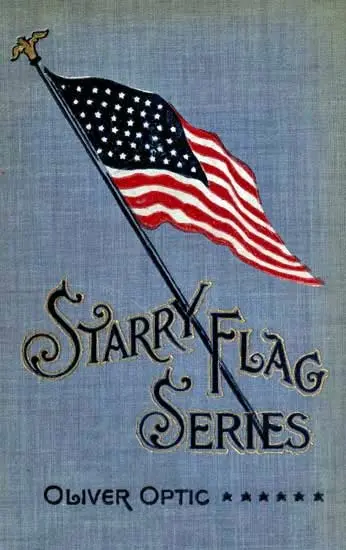
THE CLASSIC COLLECTION · 1896
"Make or Break; or, The Rich Man's Daughter" by Oliver Optic is a novel written in the late 19th century. This story unfolds in Boston and centers around young characters, particularly Leo Maggimore, the adopted son of a barber named André, and Fitzherbert Wittleworth, a conceited young clerk in a banking firm. As Leo navigates his burgeoning responsibilities after an unfortunate incident involving his foster father's health, themes of ambition, adversity, and the bonds of chosen family begin to emerge. The opening of the novel introduces readers to various characters and establishes their relationships and struggles. The scene begins in a barber shop where Fitz Wittleworth is ridiculed for his pretentiousness while receiving a shave, setting a comedic yet critical tone for the social dynamics at play. As tensions escalate, Fitz finds himself in conflict with his employer, Mr. Checkynshaw, while simultaneously, Leo grapples with the impending burden of his family responsibilities as André suffers a stroke. The narrative hints at Leo's determination to support those he loves despite the challenges—suggesting a careful exploration of resilience and moral duty throughout the unfolding story.
Introduction adapted from the source catalogue; source summaries may be automatically generated.
Free to read · English · 57,005 words · No account needed
MAKE TIME FOR A GOOD BOOK
On by default. Untick to stop anonymous reading totals. Each page counts after 10 seconds in view. How this works.
Anonymous counting is on unless you have switched it off.
"Do you know Pilky Wayne?" asked the banker, who had a certain undefined fear of Fitz since the robbery, which, however, the immensity of his dignity prevented him from exposing.
"Know who?" demanded Fitz, looking up.
"Pilky Wayne."
"Never heard of him before."
"Yes, you have; you made an arrangement with him to rob my safe," continued the banker, who could not help browbeating his inferior.
"Did I? Well, if I did, I did," answered Fitz, shaking his head. "What do you think my friend Choate would say to that?"
"He would say you were a silly fellow," interposed Mrs. Wittleworth.
"Don't be impudent, Fitz."
"Well, I won't be impudent!" said Fitz, with a kind of suppressed
chuckle.
"There were, or you thought there were, certain papers in my safe which might be useful to you," added Mr. Checkynshaw.
"I don't believe there were any letters from my cousin Marguerite among them," replied Fitz, with a sneering laugh. "Marguerite must be able to write very pretty letters by this time."
"Be still, Fitz," pleaded Mrs. Wittleworth.
"Fitz, I don't want to quarrel with you," continued Mr. Checkynshaw, in the most pliable tones Fitz had ever heard the banker use to him.
"I thought you did. Accusing a gentleman of robbing your safe is not exactly the way to make friends with him," said Fitz, so much astonished at the great man's change of tone that he hardly knew what to say.
"I accuse you of nothing. Fitz, if you want your place in my office again, you can return to-morrow morning."
Mr. Wittleworth looked at his disconsolate mother. A gleam of triumph rested on his face. The banker, the head and front of the great house of Checkynshaw, Hart, & Co., had fully and directly recognized the value of his services; had fairly "backed out," and actually entreated him to return, and fill the vacant place, which no other person was competent to fill! That was glory enough for one day. But he concluded that it would be better for the banker to come down a peg farther, and apologize for his abusive treatment of his confidential clerk.
"Certainly he will be glad to take the place again, sir," said Mrs. Wittleworth, who was anxious to help along the negotiation.
"Perhaps I will; and then again, perhaps I will not," replied Mr. Wittleworth, who was beginning to be airy again, and threw himself back on his chair, sucked his teeth, and looked as magnificent as an Eastern prince. "Are you willing to double my salary, Mr. Checkynshaw?"
Your reading position is saved on this browser. Take it to another device with a library code. Reading pages adapt to text, rather than matching a printed edition.
BEHIND THE BOOK
This eBook is for the use of anyone anywhere in the United States and most other parts of the world at no cost and with almost no restrictions whatsoever. You may copy it, give it away or re-use it under the terms of the Project Gutenberg License included with this eBook or online at www.gutenberg.org. If you are not located in the United States, you will have to check the laws of the country where you are located before using this eBook. Read the source licence.
The original source file, including credits and licence, is retained by this library. Request an original-format copy at no charge. Please include the book title and Project Gutenberg identifier #26695.
KEEP YOUR CURIOSITY GOING
Coulson Kernahan

Maurice Baring
Frances Wright
Cécile Tormay

Frederic Jesup Stimson

W. H. P. (William Henry Pope) Jarvis
