
Switch off
Oliver Optic
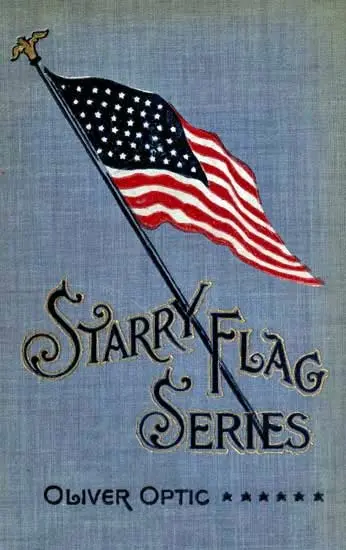
THE CLASSIC COLLECTION · 1896
"Make or Break; or, The Rich Man's Daughter" by Oliver Optic is a novel written in the late 19th century. This story unfolds in Boston and centers around young characters, particularly Leo Maggimore, the adopted son of a barber named André, and Fitzherbert Wittleworth, a conceited young clerk in a banking firm. As Leo navigates his burgeoning responsibilities after an unfortunate incident involving his foster father's health, themes of ambition, adversity, and the bonds of chosen family begin to emerge. The opening of the novel introduces readers to various characters and establishes their relationships and struggles. The scene begins in a barber shop where Fitz Wittleworth is ridiculed for his pretentiousness while receiving a shave, setting a comedic yet critical tone for the social dynamics at play. As tensions escalate, Fitz finds himself in conflict with his employer, Mr. Checkynshaw, while simultaneously, Leo grapples with the impending burden of his family responsibilities as André suffers a stroke. The narrative hints at Leo's determination to support those he loves despite the challenges—suggesting a careful exploration of resilience and moral duty throughout the unfolding story.
Introduction adapted from the source catalogue; source summaries may be automatically generated.
Free to read · English · 57,005 words · No account needed
MAKE TIME FOR A GOOD BOOK
On by default. Untick to stop anonymous reading totals. Each page counts after 10 seconds in view. How this works.
Anonymous counting is on unless you have switched it off.
"Don't you keep any white mice in it?" said the constable, smiling.
"No, sir."
"Don't your mice get out of their houses down stairs, and come up?"
"I have seen two or three of them in the kitchen."
"But don't they go up in your chamber?"
"I never saw any up there," answered Leo, puzzled by these singular
inquiries.
"What would you say if I told you that a couple of them had made a nest in your chest up stairs, and had a litter of little ones there?"
"I don't know what I should say. I don't know that it would be very
strange."
"Should you deny it?"
"If you saw them there I should not, though I don't see how they could get into the chest. The lid is always closed."
"But you might have left the lid up some morning, and the mice might have crawled down to the very bottom of the chest, and had a family there. Could this have happened?"
"It could; but I don't think it is very likely it did happen."
"Why not?"
"I should have smelt them," laughed Leo.
"Shouldn't you have seen them?"
"I don't think I should. Maggie puts my shirts and stockings at the top of the chest, and I hardly know what there is at the bottom. She takes care of my things."
"Is there anything in that chest besides your clothes?"
"Yes; I believe there is a piece of brass chain, a ball, some marbles,
and a top in the till."
"Anything else?"
"There may be some other things of that sort in the till. I don't remember; if you want to know, I will go up and show you."
"Are there any papers there?" demanded the constable, sharply.
"Yes, sir, there are two or three newspapers."
"Any written papers?"
"Not a paper."
"Have you had any papers there at any time?"
"No, sir; I don't remember that I ever did. I keep my papers in the table drawer in the kitchen."
"Didn't you know there was a package of papers in the chest--such as
bonds, deeds, and notes?"
"No, sir, I didn't know it. I never saw anything of the kind there," replied Leo, still puzzled, but satisfied now that something serious had happened.
"Have you overhauled the contents of your chest lately?"
"No, sir; not since last summer, that I remember."
"Leo, in your chest were found the papers which Mr. Checkynshaw lost."
"Then that Mr. Hart, or whatever his name was, put them there!" exclaimed Leo, his face turning red. "I never saw them, and didn't know they were there."
"I am satisfied," interposed Mr. Checkynshaw.
"So am I," added Mr. Clapp.
Your reading position is saved on this browser. Take it to another device with a library code. Reading pages adapt to text, rather than matching a printed edition.
BEHIND THE BOOK
This eBook is for the use of anyone anywhere in the United States and most other parts of the world at no cost and with almost no restrictions whatsoever. You may copy it, give it away or re-use it under the terms of the Project Gutenberg License included with this eBook or online at www.gutenberg.org. If you are not located in the United States, you will have to check the laws of the country where you are located before using this eBook. Read the source licence.
The original source file, including credits and licence, is retained by this library. Request an original-format copy at no charge. Please include the book title and Project Gutenberg identifier #26695.
KEEP YOUR CURIOSITY GOING
Coulson Kernahan

Maurice Baring
Frances Wright
Cécile Tormay

Frederic Jesup Stimson

W. H. P. (William Henry Pope) Jarvis
