THE CLASSIC COLLECTION✦Glimpses of Bengal Selected from the letters of Sir Rabindranath Tagore, 1885 to 1895CLASSIC FREE BOOKS
Glimpses of Bengal Selected from the letters of Sir Rabindranath Tagore, 1885 to 1895
Rabindranath Tagore
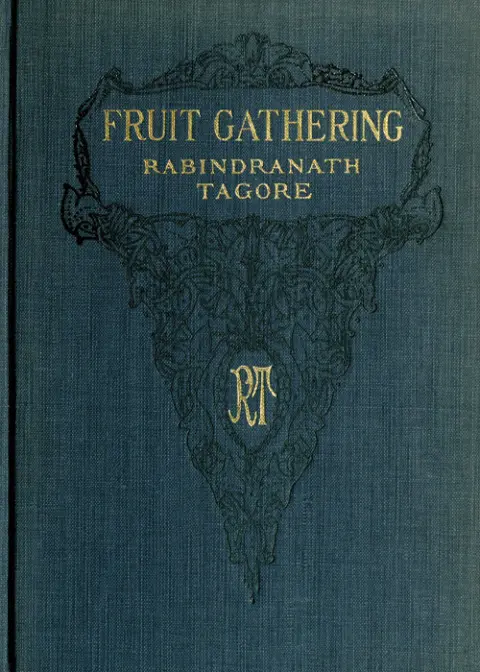
THE CLASSIC COLLECTION · 1916
"Fruit-Gathering" by Rabindranath Tagore is a poetic collection that was originally written in Bengali and later translated into English by the author himself, published in the early 20th century. This work embodies Tagore's contemplative exploration of themes such as love, nature, life, and spirituality, reflecting the philosophical traditions prevalent in his time. The poems dive into the depths of human emotion and the connection between the individual and the universe, encapsulating the essence of life's transient beauty. The collection consists of a series of lyrical pieces that weave together personal reflection and universal truths. Tagore speaks of the journey of the soul, using rich imagery to illustrate the cycles of nature and the human experience. He explores the contrasts of joy and sorrow, abundance and lack, spiritual awakening, and the search for deeper meaning amidst life's chaos. The poems resonate with a sense of longing and the desire for unity with the divine, ultimately inviting readers to reflect on their own place within the grand tapestry of existence.
Introduction adapted from the source catalogue; source summaries may be automatically generated.
Free to read · English · 10,455 words · No account needed
MAKE TIME FOR A GOOD BOOK
On by default. Untick to stop anonymous reading totals. Each page counts after 10 seconds in view. How this works.
Anonymous counting is on unless you have switched it off.
Over the relic of Lord Buddha King Bimbisâr built a shrine, a
salutation in white marble.
There in the evening would come all the brides and daughters of the King's house to offer flowers and light lamps.
When the son became king in his time he washed his father's creed away with blood, and lit sacrificial fires with its sacred books.
The autumn day was dying. The evening hour of worship was near.
Shrimati, the queen's maid, devoted to Lord Buddha, having bathed in holy water, and decked the golden tray with lamps and fresh white blossoms, silently raised her dark eyes to the queen's face.
The queen shuddered in fear and said, "Do you not know, foolish
girl, that death is the penalty for whoever brings worship to
Buddha's shrine?
"Such is the king's will."
Shrimati bowed to the queen, and turning away from her door came and stood before Amitâ, the newly wed bride of the king's son.
A mirror of burnished gold on her lap, the newly wed bride was braiding her dark long tresses and painting the red spot of good luck at the parting of her hair.
Her hands trembled when she saw the young maid, and she cried, "What fearful peril would you bring me! Leave me this instant."
Princess Shuklâ sat at the window reading her book of romance by
the light of the setting sun.
She started when she saw at her door the maid with the sacred
offerings.
Her book fell down from her lap, and she whispered in Shrimati's ears, "Rush not to death, daring woman!"
Shrimati walked from door to door. She raised her head and cried, "O women of the king's house, hasten!
"The time for our Lord's worship is come!"
Some shut their doors in her face and some reviled her.
The last gleam of daylight faded from the bronze dome of the
palace tower.
Deep shadows settled in street corners: the bustle of the city was hushed: the gong at the temple of Shiva announced the time of the evening prayer.
In the dark of the autumn evening, deep as a limpid lake, stars throbbed with light, when the guards of the palace garden were startled to see through the trees a row of lamps burning at the shrine of Buddha.
They ran with their swords unsheathed, crying, "Who are you,
foolish one, reckless of death?"
"I am Shrimati," replied a sweet voice, "the servant of Lord
Buddha."
The next moment her heart's blood coloured the cold marble with
its red.
And in the still hour of stars died the light of the last lamp of worship at the foot of the shrine.
Your reading position is saved on this browser. Take it to another device with a library code. Reading pages adapt to text, rather than matching a printed edition.
Rabindranath Tagore

Rabindranath Tagore
Rabindranath Tagore
Rabindranath Tagore
BEHIND THE BOOK
This eBook is for the use of anyone anywhere in the United States and most other parts of the world at no cost and with almost no restrictions whatsoever. You may copy it, give it away or re-use it under the terms of the Project Gutenberg License included with this eBook or online at www.gutenberg.org. If you are not located in the United States, you will have to check the laws of the country where you are located before using this eBook. Read the source licence.
The original source file, including credits and licence, is retained by this library. Request an original-format copy at no charge. Please include the book title and Project Gutenberg identifier #6522.
KEEP YOUR CURIOSITY GOING

Eric Mackay
Edmund Gosse
Sophia Margaretta Hensley
Gilbert Parker
George MacDonald

Elizabeth Bibesco