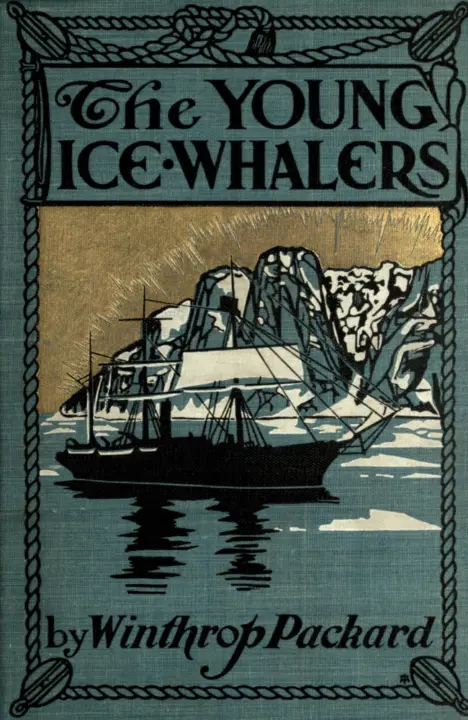
The Young Ice Whalers
Winthrop Packard
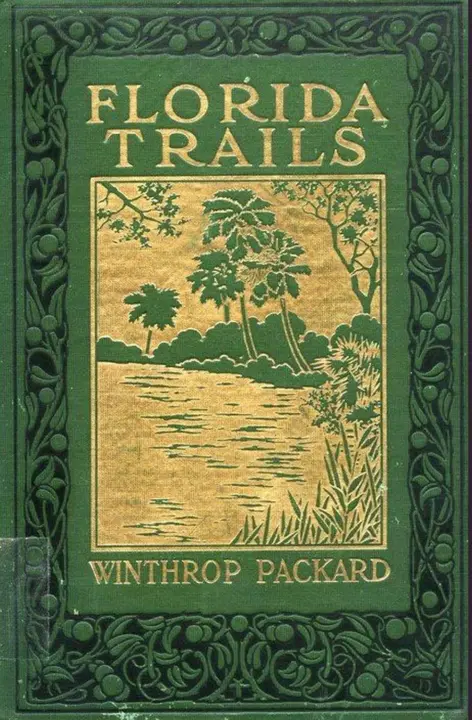
THE CLASSIC COLLECTION · 1910
"Florida Trails as Seen from Jacksonville to Key West and from November to April" by Winthrop Packard is a travelogue written in the early 20th century. The book captures the natural beauty and wildlife of Florida, reflecting on the author's experiences and observations as he journeys through the state during the winter months. Packard likely focuses on various aspects of Florida's landscape, including its birds, butterflies, and unique flora, as well as the vibrant culture of the region. At the start of the book, the author describes his journey southward from New York to Florida, expressing excitement as he anticipates encountering the migratory birds that abound in the warmer climate. He shares his observations aboard a steamer, detailing the various species of birds that join him on his voyage, from myrtle warblers to pelicans. The narrative weaves personal anecdotes with rich descriptions of the natural surroundings and reflects the author's deep appreciation for the avian life he encounters. Additionally, he highlights the striking contrasts between the chill of northern winters and the warmer, inviting atmosphere of southern Florida as he begins to explore its enchanting landscapes.
Introduction adapted from the source catalogue; source summaries may be automatically generated.
Free to read · English · 68,582 words · No account needed
MAKE TIME FOR A GOOD BOOK
On by default. Untick to stop anonymous reading totals. Each page counts after 10 seconds in view. How this works.
Anonymous counting is on unless you have switched it off.
Daisy, 181.
Dancer, 88.
Daytona, 178.
Deer, 84, 227.
Dendroica coronata, 2.
De Soto, 9, 63.
Diamond back, 172.
Dione vanillæ, 21, 22.
Doctor’s lake, 33.
Dog fennel, 50.
Dogwood, 267.
Donkey, 88.
Doubleday, 215.
Dove, 183, 184.
Mourning, 183.
Dragon fly, 25, 206.
Drosera brevifolia, 123.
Duck, 1, 42, 225.
“Raft,” 236.
Wood, 149.
Dunder, 88.
Eagle, bald, 210.
Easter, 234, 240, 241.
Eden, 97, 232, 233, 234, 240.
Edwards, 215.
Eel, 147.
Egg plant, 109, 245.
Egret, 209.
Elm, 11, 101.
Es-Sindibad, 243.
Eudamus proteus, 15.
Euphrates, 32.
Eve, 155, 215, 232, 234, 236.
Everglades, 108, 119, 122, 234, 253, 254.
Evergreens, 57.
Falstaff, Jack, 189.
Ferns:
Achrostichum aureum, 117, 146.
Osmunda, 164, 168.
Cinnamomea, 146.
Regalis, 146, 168.
Polypody, northern, 92.
Southern, 92, 100, 101.
Fernandino, 64, 276.
Finch, 43.
Fir, 29.
Firefly, 170.
Fishes, Amberjack, 251.
Angel, 251, 252.
Bass, 147, 150, 220, 225.
Large-mouthed black, 142, 147, 234.
Northern, 150.
Straw, 142, 149.
Wide-mouthed, 151, 257.
Bream, 220, 225, 257.
Catfish, 149, 151.
Channel, 29, 31.
Cod, 37.
Crab, blue, 30.
Cunner, northern, 251.
Garfish, 151, 220, 225.
“Grunt,” 251.
Menhaden, 131.
Mud, 150.
Mullet, 33, 141, 209, 257.
Perch, salt-water, 251.
Shrimp, 32.
Sunfish, 148, 149.
Trout, sea, 149, 220.
Flag, 223.
Flat woods, 110, 116, 152, 164, 241, 266.
Flycatcher, 20, 43, 69, 206.
Fort Drum, 199.
Fort Pierce, 112, 129, 164, 178, 199.
Fox, 154, 176.
Fritillary, 21.
Frog, 34, 188, 262, 274.
Bull, northern, 189.
Southern, 189, 190.
Tree, 126.
Frost weed, 268.
Fuzzy wuzzy, 39.
Gallilee, 32.
Gall berries, 112, 120.
Garfish, 151, 220, 225.
Gentian, blue, 78.
Georgian satyr, 218.
Goldenrod, 54.
Goldfinch, 115.
Goose, Canadian, 137.
Wild, 22.
Grackle, Florida, 166, 183.
Grape, 54, 73, 267.
Scuppernong, 52, 53.
Wild, 10, 265.
Grapefruit, 102, 178, 197, 198, 199, 204, 206.
Grove, 207.
Grasses, Andropogon, 50.
Arctatus, 56, 59.
Scorparius, 56.
Flat-bladed, 69.
Pampas, 55.
Purple wood, 55, 59, 67.
Saw, 165, 166, 167.
Wire, 184, 220.
Grasshopper, 16, 50, 51, 189, 193.
Long-horned, 187, 188.
Lubber, 79, 80.
Short-horned, 78, 82.
Grebe, pied-billed, 33, 34, 35, 36.
Greenbrier, 54, 73, 111.
Grosbeak, cardinal, 61, 62.
Grote, 215.
“Grunt,” 251.
Guava, 109, 110, 114, 176.
Gull, 1, 210, 238, 259.
Black-back, 1.
Brown-back, 1, 210.
Herring, 1.
Kittiwake, 1.
Gum tree, 57.
Gum, sour, 53.
Sweet, 53, 56, 57, 67, 69.
“Hardpan,” 198.
Haroun-al-Raschid, 236.
Harpies, 168.
Hastings, 101, 102, 182.
Hawk, 160.
“Killy,” 194.
Sharp shinned, 202.
Sparrow, 193, 194.
Heliconius charitonus, 13.
Heliopsis, 181.
Hemlock, 89.
Heron, 58, 59, 169, 209, 225.
Florida, 58, 81, 82, 209.
Florida big blue, 258.
Great blue, 58, 163.
Little green, 160.
Ward’s, 58, 163, 167, 168.
Hesperides, 49.
Hiawatha, 148.
Hibiscus, 113, 240.
Holland, 215.
Holly, 89, 264, 266.
Honeysuckle, 69, 268.
Hornet, white-faced, 15.
Horsebrier, 54.
Horse-chestnut, 27.
Houstonia cærulea, 182.
Purpurea, 182.
Rotundifolia, 182.
Huckleberry, low-bush black, 112.
Hyla, 127.
Your reading position is saved on this browser. Take it to another device with a library code. Reading pages adapt to text, rather than matching a printed edition.
Winthrop Packard
Winthrop Packard
Winthrop Packard
Winthrop Packard
BEHIND THE BOOK
This eBook is for the use of anyone anywhere in the United States and most other parts of the world at no cost and with almost no restrictions whatsoever. You may copy it, give it away or re-use it under the terms of the Project Gutenberg License included with this eBook or online at www.gutenberg.org. If you are not located in the United States, you will have to check the laws of the country where you are located before using this eBook. Read the source licence.
The original source file, including credits and licence, is retained by this library. Request an original-format copy at no charge. Please include the book title and Project Gutenberg identifier #66052.
KEEP YOUR CURIOSITY GOING
Wilfrid Scawen Blunt
Wilfrid Scawen Blunt

E. W. (Edgar Watson) Howe
Cécile Tormay

Moritz Busch
John L. Ransom