THE CLASSIC COLLECTION✦Studies of American Fungi. Mushrooms, Edible, Poisonous, etc.CLASSIC FREE BOOKS
Studies of American Fungi. Mushrooms, Edible, Poisonous, etc.
George Francis Atkinson
THE CLASSIC COLLECTION · 1898
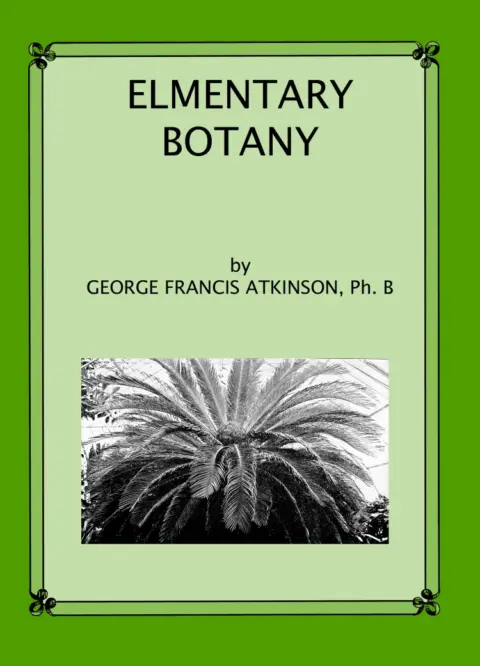
"Elementary Botany" by George Francis Atkinson is a scientific publication written in the early 20th century. The work provides a comprehensive introduction to botany, focusing on plant physiology, morphology, and ecology, exploring the fundamental life processes of plants, as well as their form and function in relation to their environment. It serves as a textbook for students, particularly those in botany courses, aiming to deepen their understanding of plant life. At the start of the book, the author outlines the structure and aims of the text, detailing its organization into three main parts: physiology, morphology and life history of representative plants, and the relationship between plant members and their environment. This introductory section sets the stage for an in-depth exploration of protoplasm—the living material of plants—beginning with its study in various simple plants like "Spirogyra" and "Mucor". The opening discussions illustrate important concepts such as the properties of protoplasm, methods of observation, and initial experiments to observe plant behavior under different conditions, laying a strong foundation for the chapters that follow.
Introduction adapted from the source catalogue; source summaries may be automatically generated.
Free to read · English · 146,679 words · No account needed
MAKE TIME FOR A GOOD BOOK
On by default. Untick to stop anonymous reading totals. Each page counts after 10 seconds in view. How this works.
Anonymous counting is on unless you have switched it off.
Bacteria, 164, 165
Bacteria, nitrite and nitrate, 83
Bacteriales, 164, 165
Bacteroid, 93
Bangiales, 175
Basidiomycetes (ba-sid″i-o-my-ce′tes), 199-208, 218
Basidium, 201, 213
Bast, 50-52
Batrachospermum, 171-173, 175
Bazzania, 25
Beard-grasses, 480
Bedstraws, 501
Beechnut, 452
Beet, osmose in, 15, 16, 17, 18
Begonia, 407
Bellflower, 501
Berry, 454, 455, 456
Betulaceæ, 495
Bicuculla, 496
Bidens, 458
Bignonia, 501
Bilberries, 500
Biotic factors, 466
Birch, 495
Bird’s-nest fungi, 220
Blackberry, 454
Black fungi, 198
Bladderwort, 501
Blasia, 164, 236
Bloodroot, 496
Bluets, 436, 437, 501
Boletus, 209
Boletus edulis, 209
Boraginaceæ, 500
Botrychium, 295
Botrydiaceæ, 162
Botrydium granulatum, 146, 162
Broom-sedge, 480
Brown algæ, 167-170
Bryales, 349
Buckeye family, 498
Buckthorn, 498
Buckwheat, 495
Buds, winter condition of, 374-377
Buffalo-grass, 480
Bug seed, 495
Bulb, 372
Bunch-grasses, 480
Butternut, 452, 494
Buttonbush, 501
Buttonwood, 497
Cacti, 395, 498
Callithamnion, 173
Calyptrogen, 361
Cambium, 50, 52, 358, 363
Campanula rotundifolia, 442, 444, 510
Campanulales, 501
Canna, 445-449, 494
Capsella bursa-pastoris, 496
Capsule, 453
Carbohydrate, 71, 75, 80, 90
Carbon dioxide, 62-67, 110-113
Cardinal-flower, 501
Carpogonium, 172, 176
Carrot family, 499
Caryophyllaceæ, 496
Caryopsis, 451
Cassia marilandica, 402
Cassiope, 395
Castalia odorata, 496
Castor-oil plant, 497
Catalpa, 501
Catkin, 428
Cattail-flag, 492
Caulidium, 371
Cedar apples, 194
Cell, 3;
artificial 20
Cell-sap, 3, 40
Ceratopteris thalictroides, 296
Chætophora, 151, 162
Chætophoraceæ, 162
Chara, 176
Charales, 176
Chemical condition of soil, 466
Chemosynthetic assimilation, 109
Chenopodiales, 495
Chenopods, 495
Chestnut, 452, 494
Chicory family, 502
Chlamydomonas, 159, 160
Chlamydospores, 180
Chloral hydrate, 65, 87
Chlorophyceæ, 158
Chlorophyll, 2, 67, 72
Chloroplast, 68, 69, 71
Christmas fern, 251-253
Chromoplast, 71
Chromosomes, 342-345
Chroococcaceæe, 163
Chrysanthemum, 502
Chytridiales, 215
Cichoriaceæ, 502
Cichorium intybus, 502
Clavaria botrytes, 212
Clavariaceæ, 210, 219
Claytonia virginica, 496
Cleistogamous, 435
Clematis virginiana, 462, 463, 496
Climatic factors, 466
Climatic formations, 470
Clostridium pasteurianum, 93
Clover, 497
Club mosses, 284, 289
Coccogonales, 163
Cocklebur, 502
Cold wastes, 474
Coleochætaceæ, 162
Coleochæte, 153-156, 226
Collenchyma, 356, 363
Comandra, 495
Compass plants, 409
Compositæ, 502
Comptonia asplenifolia, 494
Cone-fruit, 456
Confervoideæ, 162
Coniferæ, 316
Conjugation, 137, 141, 160, 162, 179
Convallariaceæ, 494
Cooperia, 494
Cordyceps, 218
Coreopsis, 502
Cork, 357, 363
Corm, 373
Cortex, 50
Corymb, 427
Cotyledon, 99-101
Cranberry, 500
Cratægus, 497
Crowfoot family, 496
Cruciferæ, 496
Cryptonemiales, 175
Cucurbitaceæ, 501
Culture formations, 470, 475
Cultures, water, 28, 29
Cup fungi, 199
Cupuliferæ, 495
Cuscuta, 83, 500
Cushion type of vegetation, 483
Cuticle, 43
Cyanophyceæ, 163
Cyatheaceæ, 295
Cycadales, 316
Cycas, 311, 312, 457
Cyclosis, 9, 10
Cyclosporales, 171
Cyme, 430, 432
Cyperaceæ, 493
Cypripedium, 443, 447, 494
Cystocarp, 174
Cystopteris bulbifera, 260
Cystopus, 215
Cytase, 92, 108
Cytisus, 445
Cytoplasm (cy′to-plasm), 5
Dacryomycetales, 219
Dahlia, 108
Dandelion, 502
Dasiphora fruticosa, 497
Daucus carota, 499
Dehiscence, 453
Dentaria, 322-324
Dentaria diphylla, 496
Dermatogen, 359
Desert formation, 473
Desert societies, 480
Desmodium, 458
Desmodium gyrans, 399
Diadelphous (di″a-del′phous), 425
Diageotropism (di″a-ge-ot′ro-pism), 126
Diaheliotropic (di″a-he″li-o-trop′ic), 127
Diaheliotropism (di″a-he″li-ot′ro-pism), 127
Diastase, 77, 78, 108, 116
Diatoms, 166
Dichogamous (di-chog′a-mous), 437, 442
Dicentra, 496
Dicotyledons, 494
Dictyophora, 219
Diffusion, 13-20
Digestion, 107, 108, 109
Dimorphism of ferns, 273-280
Diœcious, 435
Dionæa muscipula, 133
Dipodascus, 216
Dipsacus, 501
Discomycetes, 217
Dodder, 83, 84, 500
Dogwood, 499
Dothidiales, 218
Downy mildews, 185
Drosera rotundifolia, 133, 496
Drupaceæ, 497
Drupe, 454
Duckweeds, 26, 28
Dudresnaya, 175
Dunes, 484
Ebenales, 500
Ecological factors, 464
Ecology (sometimes written œcology), 464
Ectocarpus, 167
Edaphic formations, 475
Elaphomyces, 217, 218
Elder, 501
Elm family, 495
Elodea, 61-63
Embryo of ferns, 269-272
Embryo sac, 326-328
Empusa, 215
Endocarp, 450
Endomyces, 216
Endosperm, 103, 105, 107, 306, 309;
nucleus, 327, 329-334
Entomophthorales, 215
Enzyme, 92, 98, 116, 117
Epidermal system, 358
Epidermis, 358, 359, 363
Epigæa repens, 499
Epigynous, 425
Epilobium, 498
Epinastic (ep-i-nas′tic), 129
Epinasty (ep′i-nas-ty), 129
Epipactis, 444, 447
Epiphegus, 84
Epiphytes, 416
Equisetales, 296
Equisetineæ, 296
Equisetum, 280-283
Ericaceæ, 499
Ericales, 499
Erythronium, 493
Etiolated plants (e′ti-o-la″ted), 68
Euascomycetes, 217
Eubasidiomycetes, 219
Eupatorium, 403, 502
Euphorbiaceæ, 497
Eurotium oryzæ, 78
Evening primrose family, 498
Exalbuminous, 108
Exoascus, 217
Exobasidiales, 219
Exocarp, 450
Fagales, 494
Fehling’s solution, 75, 76
Ferment, 98, 108, 116
Ferns, 251-279, 292, 457;
classification of, 295
Fertilization, 307, 308, 328, 329, 140, 145,
169, 172, 174, 197, 421
Fibrovascular bundles, 49-54
Figwort family, 501
Filicales, 295
Filicineæ, 295
Fittonia, 404
Flagellates, 83, 165
Flax, 497
Flower cluster, 419
Flower, form of, 422;
parts of, 419;
union of parts, 424
Flowers, arrangements of, 426;
kinds of, 421
Follicle, 453
Forest, formations 471;
societies, 477
Forests, relation to rainfall, 479
Fresh-water societies, 486
Frond, 352
Fruit, 450-457;
parts of, 450
Frullania, 25, 236
Fucus, 168-170
Fungi, absorption by, 22;
classification of, 213-222;
nutrition of, 86-90;
respiration in, 115
Your reading position is saved on this browser. Take it to another device with a library code. Reading pages adapt to text, rather than matching a printed edition.
BEHIND THE BOOK
This eBook is for the use of anyone anywhere in the United States and most other parts of the world at no cost and with almost no restrictions whatsoever. You may copy it, give it away or re-use it under the terms of the Project Gutenberg License included with this eBook or online at www.gutenberg.org. If you are not located in the United States, you will have to check the laws of the country where you are located before using this eBook. Read the source licence.
The original source file, including credits and licence, is retained by this library. Request an original-format copy at no charge. Please include the book title and Project Gutenberg identifier #64601.
KEEP YOUR CURIOSITY GOING
John Muir
Asa Gray
Asa Gray
Florence Nightingale
Elizabeth Robins Pennell
Denison Olmsted