
Two Women, 1862; a Poem
Constance Fenimore Woolson
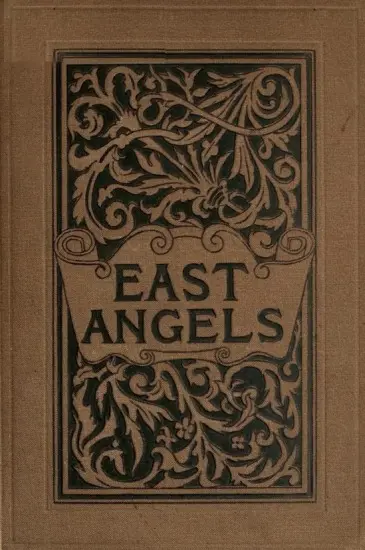
THE CLASSIC COLLECTION · 1884
"East Angels: A Novel" by Constance Fenimore Woolson is a romantic novel written in the late 19th century. The story unfolds in a southern setting, introducing characters such as Evert Winthrop, a visitor from the North, and the Thorne family, consisting of the widow Mrs. Thorne and her daughter Garda. The narrative explores themes of contentment, longing for different climates, and contrasts between northern and southern lives, while establishing the relationships and dynamics among the characters. At the start of the novel, we meet Evert Winthrop, who is seeking a change from the harsh northern winters and has come to East Angels in Florida. Engaging in conversation with Garda Thorne, he learns about her desires to experience the winters of the North, while they both contemplate the beauty and tranquility of the southern climate. Their interactions reveal interesting dynamics, especially as Garda expresses her dreams and aspirations. The stage is set for an exploration of both the physical landscape and the emotional terrain as they encounter various characters, including Mrs. Thorne and their neighbor, Dr. Kirby. The opening portion effectively introduces the characters' backgrounds, setting a tone of introspection and connection to nature.
Introduction adapted from the source catalogue; source summaries may be automatically generated.
Free to read · English · 222,450 words · No account needed
MAKE TIME FOR A GOOD BOOK
On by default. Untick to stop anonymous reading totals. Each page counts after 10 seconds in view. How this works.
Anonymous counting is on unless you have switched it off.
"Well, then--and it's the same thing--you watch me."
"Is that the word to use, Garda? You are under my charge--I have hoped that it was not disagreeable to you; I have tried--"
Garda stopped and kissed her. "It isn't disagreeable; it's beautiful," she said, with impulsive warmth. "But there's no use in your trying to keep me from seeing Lucian," she added, as they walked on; "I can't imagine how you should even think of it, when you know so well how much I have always liked him. Oh, what a comfort it is just to see him here again!"
"You must remember that he has other things to think of now."
"Only his wife; he needn't take long to think of her."
"He took long enough to leave Gracias last winter and go north and marry
her."
"Yes; and wasn't it good of him? I couldn't bear to have him go at the time; but I've forgotten all about that, now that he's back again."
"But not alone this time."
"Lucian's always alone for me," responded Garda. "But why do you keep talking about Mrs. Rosalie, Margaret? Isn't it enough that we have to talk to her? She isn't an object of pity in the least; she's got everything she wants, and six times more than she deserves; I detest people who, when they're cross, are all upper lip."
A vision of Rosalie's face rose in Margaret's mind. But she did not at present discuss its outlines with Garda, she simply said, "I must come to the next sitting. And don't choose for it the exact hour when I'm reading to Aunt Katrina."
"I chose that hour on purpose, so that you shouldn't know."
"Yes, because you thought I should object. But if I don't object--"
"You do," said Garda, laughing; "you're only pretending you don't. Very well, then. Only--you mustn't keep stopping me."
"Stopping you? What do you mean?"
"Oh, stopping, stopping--I mean just that; there's no other word. I want to look at Lucian and talk to him exactly as I please."
"I'm not aware that I've blinded or gagged you," said Margaret, smiling.
"No, but you have a way of saying something that makes a change; you make him either get up, or turn his head away, or else you stop what he's saying. You see, he follows your lead."
"Though you do not."
"He does it from politeness--politeness to you," Garda went on.
"Yes, he has very good manners," said Margaret, dryly.
"Haven't I good manners too?" demanded the girl, in a caressing tone, crossing her hands upon her friend's arm.
"Very bad ones, sometimes. Now, Garda, don't you really think--"
Your reading position is saved on this browser. Take it to another device with a library code. Reading pages adapt to text, rather than matching a printed edition.
Constance Fenimore Woolson

Constance Fenimore Woolson

Constance Fenimore Woolson
Constance Fenimore Woolson
BEHIND THE BOOK
This eBook is for the use of anyone anywhere in the United States and most other parts of the world at no cost and with almost no restrictions whatsoever. You may copy it, give it away or re-use it under the terms of the Project Gutenberg License included with this eBook or online at www.gutenberg.org. If you are not located in the United States, you will have to check the laws of the country where you are located before using this eBook. Read the source licence.
The original source file, including credits and licence, is retained by this library. Request an original-format copy at no charge. Please include the book title and Project Gutenberg identifier #33143.
KEEP YOUR CURIOSITY GOING
Coulson Kernahan

Maurice Baring
Frances Wright
Cécile Tormay

Frederic Jesup Stimson

W. H. P. (William Henry Pope) Jarvis