THE CLASSIC COLLECTION✦An outlaw’s diary: the CommuneCLASSIC FREE BOOKS
An outlaw’s diary: the Commune
Cécile Tormay
THE CLASSIC COLLECTION · 1922
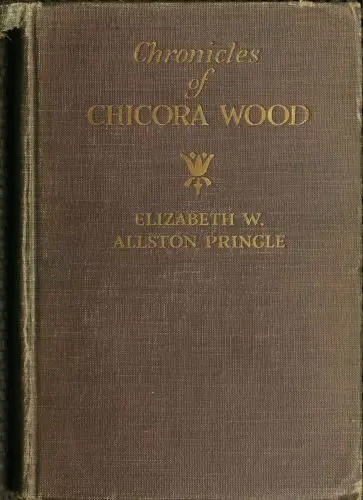
"Chronicles of Chicora Wood" by Elizabeth W. Allston Pringle is a memoir written in the early 20th century. The book provides a detailed account of the author's family and their plantation life in South Carolina, exploring themes of heritage, the passage of time, and the social complexities of the antebellum South. The narrative focuses on significant family members, particularly the author's father, Robert Francis Withers Allston, and reflects on both personal and historical challenges faced by the Allston family. The opening of the memoir introduces the reader to the author's contemplative and nostalgic perspective as she reflects on her family's legacy while seated on the piazza of Chicora Wood. Filled with vivid imagery of the natural surroundings and a deep sense of history, the author articulates a desire to preserve the memories of her ancestors and the beauty of their past. The first chapter delves into the lineage of the Allston family, emphasizing the struggles and triumphs of her father, a rice planter, as he navigates the complexities of land management, social responsibilities, and family legacy amidst the backdrop of a changing South. This rich narrative sets the stage for an exploration of the author's life and captivating family stories that lie ahead.
Introduction adapted from the source catalogue; source summaries may be automatically generated.
Free to read · English · 77,281 words · No account needed
MAKE TIME FOR A GOOD BOOK
On by default. Untick to stop anonymous reading totals. Each page counts after 10 seconds in view. How this works.
Anonymous counting is on unless you have switched it off.
I asked Daddy Ancrum to come some day and tell me all he could remember about the past, and this morning while I was reading the lessons to Clarinda in the front piazza we saw him coming through the gate, dressed in his Sunday clothes, with a very clean white shirt and a rather battered derby, but worn with such an air that you knew it was superfine and not worn every day. I wish I had a picture of the old man; seems to me he has such a lovely face in his old age; his figure is now bent, but up to a few years ago it was very erect and powerful. Old as he is, he gives me a better day’s work than any of the young ones. This is what he told me:
My mudder and fader was Ancrum and Henny, bought from Mr. Withers after de storm. The creditor come in and we haf fu sell. My ma tell me I ben five year old the March after the big storm. Maussa was a big man, he was just as supple, why maussa stan’ too fine. When he walk in Georgetown every man and woman had to look ’pon hum. When I cum to Georgetown dere was only two full selling stores in town. All was big house for lib in. When dem bring we to town for sell, dem put up all de fambly, my uncle, my aunty, my pa, my ma, and der cousin all together. Ole Mister Ben Allston come up to maussa and trow ’e arm round maussa neck, and he say: “Robert, step forward, the old Indigo Bank ain’t bruk yet.” Den maussa gon up and ’e buy we all; Mr. Waterman want to buy me for mek pilot on de sea, and he offer one tousand dolla, but maussa woodn’ let him have me. Ole maussa used to live in dat little house you got for study house. Maussa used to have all we chillun cum to de house and bring a shell and fill um with molasses, and we chillun ben dat happy and play round and maussa ben in de piazza and drop sleep, and we chillun lauf and say: “Luk a’ buckra de sleep.” De fust chile I min’ ben Clanda Ma Maria. When I tak dat chile fu nurse ober ribber I see maussa been dat supple dat I seen him myself jump across dat kenel. Den he choose me to send me up to Marion to old Uncle Joe, ’bout two miles from Warhee. I ben dey when maussa married and de nex’ yeah, when he gwine to de mounting, him gone trough day for see de place, and when he bring miss and Mas’ Ben just been ole nuff fu miss to travel, and Amy ben a nussing, Maum Milly and Da Jeam’s sister. Uncle Joe send me fu bring de colt out de field and I bring dem up so miss can see dem. Uncle Joe pint to me and he say: “Robert, that’s a smart boy. Please God you must take good care of him.” Den maussa laff and say “Yes.” Dem eat dinner under de wagon shed an de two sarvan, Amy the nuss and Hynes dribe de wagon, de Josey wagon, and maussa dribe de carriage. No, didn’t ben a carriage, ben a baruche, wid de top tun back. Dem gon on after dinner--den I nebber seen miss or maussa till I hear say de place in Marion sell to Mr. Tommy Godbald. Maussa had a hundred head of cattle and Mauma Milly mild 30 head ebery year and send down butter to miss and ebery year Uncle Joe drive from 60 to 100 head o’ hog. Dem had 500 acre of wild land--Oh, my Lawd, if you wanna see plum you must go dey, an’ apple an’ peach an’ walnut an’ eberyting to eat. Bob been a big young man, an Peter and Sampson and David, dem ben an’ outlan’ people Afrikan, one ben Gullah and one ben a Guinea--the Gullah ben a cruel people--and de Fullah ben a cruel people, but Guinea ben a tough workin’ people, an’ Milly ben a Guinea, milk de cow, mak de butta, and bile and scald--and ma Laud, you could pick up hominy off de flo’. Now, after mauss sol’ de place and all de cattle an’ hog, ’e only fech down de pepple and de hoss. When we come down him ben on de beach and he had annoder son name Robert. Him ben a longer jinted boy, him was a pretty boy, an’ I seen him grown till he had on long ap’un. Maussa say when I come hom I mus’n’t stop on de plantation dat night, I must go right over to the sheashore, but de day I come an’ Mary ben jus’ out of him time wid Billy, and him was to go down at dat time back to de beach wid de baby, and dem had to ge’ befo’ ’twas too late in de ebening, kase de baby was so young. My business was to cut marsh fo’ de hoss and pick clam fo’ de duck; dat was at Kerneern an’ I do dat an’ Mary Grice was de cook, te Amy ben de nuss, Uncle Hynes was de coach driver, Moses Barren was de butler, Cæsar was de hosier, Maum Ria was de seamster, an’ Lavina was de fine seamster, and a gal name Cotter--an’ Uncle Jeams Gallant was a fisherman--I met dem dere when I cum fus and Sandy was de house boy, clean knife, rub mahogany, I tell you we had someting to do den. Den Miss Bly habe him sarvant ol’ lady Mary Bly was ’e right hand, Uncle Aleck was de coach driber, ol’ Uncle Stephen Bly ben de butler, but when him come to stay wid miss, him fish principal kase de was no wuck for him in de house. All dem supply cum from Friend-Field. Haklus was de cook, when Miss Bly ben home, but now him had not’ing to do but cut mash for de hoss, Miss Bly had t’ree horse, Hope, Victory, and Active. Jack was de tailor an’ Fannie his wife was Miss Bly seamster, Binna was de house gal, F’ederick was de boy go behind de carriage, open gate an’ ting. You ain’t know dat maussa own nearly all of Georgetown? Dat Pint used to plant in corn and dat place make all ’e own provision. I sell too much grass out o’ dat place. Mauss used to rule de whole shubang--gracious Lord, Miss Bessie, when I study an’ look back and ting--an’ fin’ out--you say you ben so po’ I kyant believe, kase ole maussa ben too rich--I know befoh de death of my ole maussa, he put on de pole boat 50 jimmy john o’ brandy an’ gin an’ rum foh tek up to Cheraw Bridge and put dem in Mr. Coker in sto’, and one boat carry 160 barrel of rice an’ one carry 140 barrel, an’ dem barrel hol’ 9 bushel an’ you ken pack 10 in ’em, not dem little kag you call rice-barrel now.
Your reading position is saved on this browser. Take it to another device with a library code. Reading pages adapt to text, rather than matching a printed edition.
BEHIND THE BOOK
This eBook is for the use of anyone anywhere in the United States and most other parts of the world at no cost and with almost no restrictions whatsoever. You may copy it, give it away or re-use it under the terms of the Project Gutenberg License included with this eBook or online at www.gutenberg.org. If you are not located in the United States, you will have to check the laws of the country where you are located before using this eBook. Read the source licence.
The original source file, including credits and licence, is retained by this library. Request an original-format copy at no charge. Please include the book title and Project Gutenberg identifier #56736.
KEEP YOUR CURIOSITY GOING
Cécile Tormay

Moritz Busch
John L. Ransom
Frances Wright
Cécile Tormay

Mabel Potter Daggett