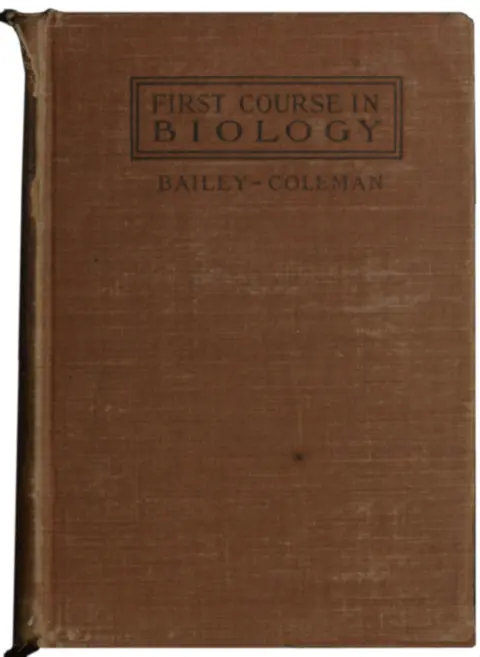
First course in biology
L. H. (Liberty Hyde) Bailey & Walter Moore Coleman
THE CLASSIC COLLECTION · 1921
"Beginners' Zoology" by Walter Moore Coleman is a scientific publication written in the early 20th century. This comprehensive work serves as an introductory guide to the study of zoology, offering insights into various classes of animals, from simple organisms like protozoans to more complex creatures such as mammals. The book is designed to educate readers about the principles of biology and the classification of living organisms. The opening of "Beginners' Zoology" introduces readers to the fundamental concepts of biology, emphasizing the science of life and the distinction between organic and inorganic matter. It establishes basic definitions and principles, such as the functions of living organisms, how they acquire energy, and the anatomical structure of cells. Key topics include the significance of energy in the organic world, the roles of plants and animals, and foundational ideas surrounding the classification of organisms. This initial chapter lays the groundwork for understanding more complex life forms, setting the stage for subsequent chapters that delve into specific animal categories and their diverse characteristics.
Introduction adapted from the source catalogue; source summaries may be automatically generated.
Free to read · English · 51,410 words · No account needed
MAKE TIME FOR A GOOD BOOK
On by default. Untick to stop anonymous reading totals. Each page counts after 10 seconds in view. How this works.
Anonymous counting is on unless you have switched it off.
Jay, blue, 181.
Jelly fish, 29, 30.
Kangaroo, 198.
Kidneys, of fish, 117;
of insects, 76;
of mussel, 102;
of worm, 45.
Labial palpi, 68, 74, 101.
Labium, 68, 74.
Labrum, 68, 74.
Lady bug, 91.
Lamellibranch, 107.
Lark, meadow, 182;
sky, 179.
Larva, 81.
Lasso cell, 34.
Leg, of bird, 152;
of horse, 210;
of insect, 74.
Lemur, 220.
Lepidoptera, 82, 87.
Louse, 92, 93.
Lungs, of bird, 165.
Madreporite, 35.
Mammal, 184;
classified, 193;
defined, 189.
Manatee, 209.
Mandibles, 68, 74.
Mantis, praying, 3.
Mantle, 99.
Maxillæ, 68, 74.
Maxillary palpi, 68, 74.
May beetle, 90, 91.
May fly, 83.
Measuring worm, 81, 84.
Medusa, 31.
Mesoglea, 26.
Metamorphosis of insect, 80, 81, 82.
Metazoan, 1.
Migration of birds, 171, 173.
Mimicry, 146.
Moccasin, 145.
Mole, 201.
Mollusc, 9, 97, 125.
Moulting, 69, 174.
Monkey, 220.
Morula, 7.
Mosquito, 92, 93, 96.
Moth, 83.
Mother-of-pearl, 99.
Mussel, 96, 103.
Nautilus, chambered, 107.
Nectar, 8.
Nephridium, 45.
Nervous system, of bee, 78;
of mussel, 102.
Nest building, 166, 182.
Neuroptera, 82.
Nostril, of bird, 151;
of fish, 112.
Nucleolus, 6.
Nucleus, 6, 11, 14.
Octopus, 106.
Okapi, 214.
Omnivorous, 47.
One-celled animals, 7.
Opossum, 197.
Oral surface, 35.
Orang, 227.
Order, 9.
Organ, 1.
Organism, 1.
Orthoptera, 82.
Osculum, 18.
Ovary, 25, 37, 117.
Oviduct, 46.
Oxidation, 3, 4, 5.
Oxygen, 4, 5.
Oyster, 104.
Paramecium, 13.
Parasites, 49, 93.
Partridge, 178.
Pearls, 105.
Peccary, 217.
Perch, 109, 110, 123.
Pests, insect, 93.
Pheasant, 174.
Plastron, 141.
Pollen, 85.
Pollen basket, 88.
Polyp, 9, 22, 125.
Portuguese man-o’-war, 28.
Potato bug, 90.
Primates, 220.
Proboscis, of butterfly, 83, 87;
elephant, 207.
Prolegs, 84, 87.
Protection of birds, 171.
Protective resemblance, 34, 146.
Protoplasm, 6, 11.
Protozoa, 7, 9, 11, 125.
Pseudoneuroptera, 82.
Pseudopod, 11.
Quill, 156.
Rabbit, 205, 223.
Radial symmetry, 34, 125.
Rattlesnake, 145.
Rectum, 134.
Regeneration of lost parts, 37.
Reproduction, 12, 15, 20, 25, 37, 46, 120.
Reptiles, 139.
Rhizopoda, 16.
Road runner, 169.
Robin, 183.
Rotifer, 49.
Round worm, 49.
Ruminant, 213.
Salamander, 134, 138, 139.
Sandworm, 49.
San José scale, 95.
Scab in sheep, 95.
Scales, of bird, 161;
fish, 110;
moth, 89.
Scallops, 104.
Scarab, 90, 91.
Sea anemone, 33.
Sea fan, 32.
Sea horse, 124.
Sea urchin, 38.
Senses of insects, 76.
Setæ, 43, 48.
Sexual selection, 174.
Shark, 121.
Silkworm, 84, 86, 95.
Silver scale, 83.
Siphon, 101.
Siphonoptera, 82.
Skeleton, of bird, 152;
cat, 188;
frog, 131;
of fish, 113;
chart of, 218.
Skull, mammalian, 194.
Slipper animalcule, 13.
Sloth, 199.
Slug, 105.
Snail, 105.
Soil, 48.
Sparrow, 182;
English, 170.
Specialization, 20, 27, 66, 210.
Species, 8.
Spermary, 25, 27.
Spicule, 18.
Spider, 94.
Spiracle, 77, 87.
Sponges, 17, 125;
glass, 19;
horny, 19;
limy, 19.
Sports, 148, 224.
Squash bug, 93, 95.
Squid, 106.
Stickleback, 119.
Struggle to live, 147.
Study, comparative, 82, 149, 223.
Sun energy, 2.
Sunlight, 2.
Survival of fittest, 147.
Tadpole, 126, 134.
Tapeworm, 49.
Tarantula, 94.
Teeth, of frog, 130.
Terrapin, 143, 144.
Toad, 137.
Tortoise, 140, 143, 144.
Trap-door spider, 94.
Tube feet, 35.
Tumble bug, 90, 91.
Turtle, 140, 143, 144.
Umbo, 98.
Ungulate, 212.
Vacuole, 11, 12, 14.
Vampire, 203.
Variation, 147.
Variety, 8.
Venomous snakes, 143.
Vent, 42.
Ventral, 43.
Vermes, 9, 125.
Vertebrates, 9, 125.
Vertebrate skeletons, 218.
Viscera, of bird, 163.
Warning sound, 147.
Wasps, digging, 89.
Weevil, 90, 91, 96.
Whale, 208.
Wings, of grasshopper, 67;
of bird, 153, 158.
Woodpecker, 180.
Worms, 42.
Zoology defined, 1.
Zoophytes, 33.
Page Changed from Changed to
61 Have you seen crayfish with one Have you seen crayfish with one claw smaller than the claw smaller than the other?
1. Typos fixed; non-standard spelling and dialect retained.
2. Enclosed italics font in underscores.
3. Enclosed bold font in =equals=.
4. The caret (^) serves as a superscript indicator, applicable to
individual characters (like 2^d) and even entire phrases (like
1^{st}).
5. Subscripts are shown using an underscore () with curly braces { },
as in H{2}O.
Your reading position is saved on this browser. Take it to another device with a library code. Reading pages adapt to text, rather than matching a printed edition.
L. H. (Liberty Hyde) Bailey & Walter Moore Coleman
BEHIND THE BOOK
This eBook is for the use of anyone anywhere in the United States and most other parts of the world at no cost and with almost no restrictions whatsoever. You may copy it, give it away or re-use it under the terms of the Project Gutenberg License included with this eBook or online at www.gutenberg.org. If you are not located in the United States, you will have to check the laws of the country where you are located before using this eBook. Read the source licence.
The original source file, including credits and licence, is retained by this library. Request an original-format copy at no charge. Please include the book title and Project Gutenberg identifier #73338.
KEEP YOUR CURIOSITY GOING

John Muir

Asa Gray
Asa Gray

Florence Nightingale
Elizabeth Robins Pennell
Denison Olmsted