
Letters to a Friend, Written to Mrs. Ezra S. Carr, 1866-1879
John Muir
THE CLASSIC COLLECTION · 1914
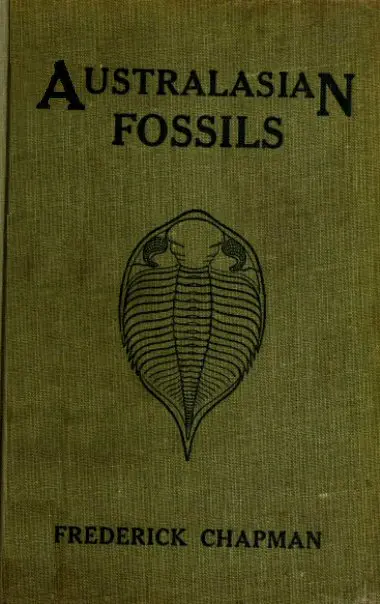
"Australasian Fossils: A Students' Manual of Palaeontology" by Frederick Chapman is a scientific publication written in the early 20th century. This manual aims to fill the gap in literature on fossils discovered in the Southern Hemisphere, specifically in Australasia, offering students an accessible overview of palaeontology. The book discusses a variety of topics, including fossil classification, geological epochs, and methods for finding and preserving fossils, catering to the needs of natural history and palaeontology students. The opening portion of the manual introduces its context and purpose, emphasizing the scarcity of resources concerning region-specific fossils in existing geological literature. It articulates the importance of studying fossils for understanding Earth's history, evolution, and the distribution of ancient life forms. Chapman underscores the manual’s intent to provide a foundational framework for students, alongside practical advice for fossil collectors, encouraging exploration and a deeper appreciation for the field of palaeontology.
Introduction adapted from the source catalogue; source summaries may be automatically generated.
Free to read · English · 61,198 words · No account needed
MAKE TIME FOR A GOOD BOOK
On by default. Untick to stop anonymous reading totals. Each page counts after 10 seconds in view. How this works.
Anonymous counting is on unless you have switched it off.
Ear-bones of whales, 296
Early observers, 24
Eburnopsis, 199, 200
Echidna, 286, 287
Echinocyamus, 146
ECHINODERMATA, characters of, 37, 59
" divisions of, 133
ECHINOIDEA, 143
Echinolampas, 147, 148
Echinoneus, 147
Echinus, 145
Ecionema, 112
Edaphodon, 271
Edestus, 262
Edmondia, 177, 180, 182
Eglisia, 202
Elephant-fish, 269, 271
Elephant-tusk shells, 188
Elevated sea-beds, 27
Elonichthys, 261, 263
Elpisopholis, 263
Emarginula, 198
Emu, 283
Encrinurus, 229
Endoceras, 205
Endothyra, 96, 98
Entalophora, 158
Entomis, 238
Ephemera, 250
Equisetites, 40
Errant worms, 153
Erycina, 187
Erymnoceras, 209
Estheria, 233
Eucalyptus, 90, 91, 281
Eulima, 198
Eunema, 193
Eunicites, 153
Euomphalus, 194, 195, 196
Eupatagus, 147
Euphemus, 196
Eurydesma, 181
EURYPTERIDA, 248
Euthria, 198
Eutrochus, 200
Evolution of life-forms, 33
Fagus (Notofagus), 91
Falcon, 283
Fasciolaria, 198, 199
Favosites, 73, 114, 115, 116
Feather-star, 138
Fenestella, 156, 157
Fibularia, 146
Fishes, fossil, 53
" primitive types, 258
" true, 258
Fish-lizards, 275, 276, 277, 278
Fissilunula, 183, 184
Fissurellidea, 198
Fistulipora, 155, 156
Flabellina, 98
Flabellum, 118, 119
Flightless pigeon goose, 283
Flints, 71
Flying phalanger, 295
Foraminifera, characters of, 36, 95
" fossil, 65
Foraminiferal limestone, 73
Fossil faunas, differences in, 43
Fossiliferous strata, Australia, 45-48
" strata, New Zealand 49
Fossil, origin of name, 23
Fossils an index to age of strata, 26, 32
" nature of, 21
" petrifaction of, 23
" preservation of, 23
" structure preserved in, 24
Fossil wood, 24, 66, 68
Frondicularia, 97, 98
Fruits of the deep leads, 91
Fulica, 283
Fusus, 198, 201
Galeocerdo, 269, 271
Gallinula, 283
Gangamopteris, 86
Ganorhynchus, 259
Gari, 185
GASTEROPODA, characters of, 190
Gastrioceras, 207
Geinitzina, 98
Genyornis, 282, 302
Geological epochs, 45-49
Geology, scope of, 21
Giant kangaroo, 289
" lizard, 280
" penguin, 280
Gibbula, 198
Ginkgo, 89, 91
Girvanella, 76, 82, 86
Glauconite casts of foraminifera, 96
Glossograptus, 126, 127
Glossopteris, 86
Glycimeris, 184, 187
Glyphioceras, 207
Gomphonema, 93
Gondwana-Land, 87
Goniatites, 207, 208
Goniograptus, 124, 126
Gosfordia, 262
Gosseletina, 196
Grammysia, 177
Granatocrinus, 139
Graphularia, 118, 119
Graptolites, Bendigo series, 124
" Lancefield series, 124
" nature of, 63, 123
" Tasmania, 128
GRAPTOLITOIDEA, 123
Gregoriura, 142
Griffithides, 232
Gromia, 95
Ground pigeon, 283
Gryphaea, 182
Grypotherium, 53
Guide fossils, 43
GYMNOSPERMEAE, characters of, 40
Gyracanthides, 261
Gyroceras, 207
Gyrodoma, 194
Halimeda limestone, 75
Haliotis, 198, 200
Haliserites, 83
Halysites, 114
Hamites, 210
Hapalocrinus, 136
Haploceras, 209
Haplophragmium, 97, 98
Harpa, 198, 199, 201
Harpactocarcinus, 248
Harpagornis, 283
Hawk, 283
Helicocrinus, 136
Helicotoma, 195
Heliolites, 115, 116
Heliopora, 115
Heliosphaera, 103
Helix, 203
Hemiaster, 148
Hemipatagus, 148
Heterocrinus, 135
HETEROPODA, 190
Heteropora, 158
Hexactinellid sponge, 107, 110
Hinge-structure, in bivalves, 175
Holaster, 147
HOLOTHUROIDEA, 148
Homalonotus, 229, 231
Hornera, 158
Huenella, 159
Human remains, sub-recent, 299
Hyalostelia, 108, 110
Hybocrinus, 135
Hydractinia, 119, 120
HYDROZOA, 63, 119
Hymenocaris, 244
Hyperammina, 97
Hyolithes, 192, 193, 194
Hypothyris, 164
Hypsiprymnus, 295
Ibis, 283
Ichthyosaurus, 276, 277, 278
Idiostroma, 121
Idmonea, 158
Illaenus, 229
Indusial limestone, 75
Inoceramus, 183, 184
Insects, 53, 250
Ironstone, 80
Irregular echinoids, 146
Ischnochiton, 190
Ischyodus, 269, 270
Isochilina, 237
Isocrinus, 137, 138
Janjukian bivalves, 186
" gasteropods, 200
Jonesina, 237
Jurassic bird, 280
" bivalves, 182
" brachiopods, 165
" cephalopods, 208
" fishes, 264
" Foraminifera, 98
" gasteropods, 196
" insects, 250
" Ostracoda, 238
" Phyllopoda, 233
" plants, 89
" reptiles, 276
" scaphopods, 189
Kalimnan bivalves, 187
" gasteropods, 201
Kangaroo, 295
Keeneia, 196
Kekenodon, 295, 296
Kerosene shale, 77
Kionoceras, 206
Kloedenia, 237
Labrodon, 271
LABYRINTHODONTIA, 272
Lagena, 98
?Lagria, 250
Lamna, 267, 269, 271
Lamp-shells, 57, 158
Lasiocladia, 110
Lasiograptus, 126, 127
Latirus, 198, 201
Laurus, 91
Leaia, 233
Leda, 182, 184, 185, 187, 188
Leonardo da Vinci, 25
Lepas, 243
Leperditella, 234
Leperditia, 233, 234, 235, 237, 238
Lepidocyclina, 99, 100
" limestone, 73
Lepidodendron, 40, 85, 261
" beds, 162
Lepralia, 157, 158
Leptaena, 162, 164
Leptoclinum, 257, 258
Leptodesma, 179
Leptodomus, 177
Leptograptus, 124
Leptolepis, 264, 265, 267
Lepton, 187
Lichas, 229
Lichenopora, 158
Lieberkuehnia, 95
Lima, 184, 185, 186
Limatula, 185
Limestones formed by organisms, 72
Limnaea, 69
Limopsis, 184, 185, 187
Limulus, 248
Lingula, 160, 162, 166, 261
Linthia, 147, 148
Liopyrga, 201
Liotia, 198, 200
Lithistid sponges, 109, 110
Lithological evidence, value of, 44
Lithophaps, 283
Lithothamnion, 75
Lituites, 207
Lituola, 97
Loganograptus, 126
Lophophyllum, 117
Lorica, 190
Lotorium, 198, 200, 202
Lovenia, 147
Lower Cambrian trilobites, 226
" Cretaceous bivalves, 183
" " brachiopods, 166
" " cephalopods, 209
" " crab, 246
" " dragon-fly, 250
" " fishes, 267
" " reptiles, 277
" Mesozoic fishes, 263
" Ordovician graptolites, New Zealand, 126
" Ordovician graptolites, Victoria, 124
Loxoconcha, 239
Loxonema, 193, 194, 195, 196
Lucina, 185, 187
Lung-fish, 265
Lunucammina, 98
Lunulicardium, 178
Lunulites, 158
Lyriopecten, 179
Your reading position is saved on this browser. Take it to another device with a library code. Reading pages adapt to text, rather than matching a printed edition.
BEHIND THE BOOK
This eBook is for the use of anyone anywhere in the United States and most other parts of the world at no cost and with almost no restrictions whatsoever. You may copy it, give it away or re-use it under the terms of the Project Gutenberg License included with this eBook or online at www.gutenberg.org. If you are not located in the United States, you will have to check the laws of the country where you are located before using this eBook. Read the source licence.
The original source file, including credits and licence, is retained by this library. Request an original-format copy at no charge. Please include the book title and Project Gutenberg identifier #59074.
KEEP YOUR CURIOSITY GOING
John Muir

Asa Gray
Asa Gray

Florence Nightingale
Elizabeth Robins Pennell
Denison Olmsted