
Arabia: The Cradle of Islam Studies in the Geography, People and Politics of the Peninsula, with an Account of Islam and Mission-Work.
Samuel Marinus Zwemer
THE CLASSIC COLLECTION · 1920
"A Moslem Seeker After God: Showing Islam at its Best in the Life and Teaching of Al-Ghazali" by Samuel M. Zwemer is a historical account written in the early 20th century. The book explores the life of Al-Ghazali, a pivotal figure in Islamic thought, emphasizing the best aspects of Islam as manifested through his mysticism and theology. It aims to present a sympathetic portrait of Islam that highlights its spiritual depth as well as its struggles with external influences. The opening of the work sets the stage by introducing Al-Ghazali as a significant figure in Islamic history, likening his importance to that of Mohammed. The text describes the environment in which he lived during the 11th century, marked by both cultural richness and moral decay within the Islamic world. It provides a historical context, portraying Al-Ghazali as a major reformer, scholar, and mystic who navigated the complexities of faith, reason, and spirituality during a tumultuous era. This introduction underscores his influence and the relevance of his teachings in offering a path to understanding divine truth, positioning him as an enduring seeker after God.
Introduction adapted from the source catalogue; source summaries may be automatically generated.
Free to read · English · 66,729 words · No account needed
MAKE TIME FOR A GOOD BOOK
On by default. Untick to stop anonymous reading totals. Each page counts after 10 seconds in view. How this works.
Anonymous counting is on unless you have switched it off.
In Arabic alphabetical order according to As-Subqi, Al-Murtadha (Vol. I, pp. 41-83), and other sources.
1. Ihya ʾUlum id Din—(Revival of the Sciences of Religion).
2. Al Imlaʾ ʾAla Mushkal al Ihya—(supplement to above).
3. AlʾArbaʾîn—(on the Koran).
4. Asma Allah al Husna—(on the names of God).
5. Al-Iqtasad fi Iʾtiqad—(Speculative Theology).
6. Iljam al ʾAwam ʾan ʾilm al Kalam—(Warning against scholasticism).
7. Asrar Muʾamalat id Din—(Mysticism).
8. Asrar al anwar al ilahiya—(on the Koran).
9. Akhlaq al abrar wa najat min al ashrar—(Ethics).
10. Asrar itbaʾa as sunna—(Tradition).
11. Asrar al huruf wa ’l kalimat—(Koran Mysteries).
12. Ayyuha ’l walad—(O child!—written in Persian originally—Ethics
and Manners).
13. Badayat al Hadaya—(Beginner’s book in religion).
14. Al Basit fi furuʾa al Madhhab—(Jurisprudence).
15. Bayan al Qaulain—(Creed).
16. Bayan Fadhaʾa al Abahiya—
17. Badaʾa as Saniya.
18. Tanbih al Ghafalîn.
19. Talbis Iblis.
20. At Takbir fi ʾilm al taʾabir—(Interpretation).
21. Tahafut al filasafa—(Against Philosophy).
22. Taʾliqa fi furuʾa al Madhhab—(Written at Jurjan against the
Ismailite heresy).
23. Tahsin al Maqsud—
24. Tahsin al Adilla—(Sources of Islam).
25. Tafsir al Quran al ʾAzim—(Brief Koran Commentary).
26. Al Tafriqa bain al iman wa ’l zindiqa—
27. Jawahir al Quran—(Beauties of the Koran).
28. Hujjat al Haqq—
29. Haqiqat al Ruh—(Mysticism).
30. Haqiqat al Qaulain—(on the Creed).
31. Al Durra al Fakhira—(The Precious Pearl).
32. Khulasat ar Rasaʾil—(Jurisprudence).
33. Khulasat al-tasanif fi l-tasawwuf.
34. Risalat al Qudsiya.
35. Risalat al Aqtab.
36. Al Risalat al Laduniya.
37. Risalat at Tair—(Parable on the Birds).
38. Sirr al Maʾsun—(on the magical use of the Koran text).
39. Sirr al-ʿalamain wa-kashf ma fi ’l-darain.
40. Sharh Daʾirat ʾAli ibn Talib.
41. Shifaʾ al Ghalil—(On Logic).
42. ʾAqidat al Misbah.
43. ʾAjaʾib Sanaʾa Allah.
44. ʾAnqud al Mukhtasar.
45. Ghayat al Ghur fi Misaʾil al daur—(On Divorce).
46. Ghaur al Daur—(also on Divorce) written in Bagdad 484 A. H.
47. Al Fatawa—(One hundred and ninety questions answered).
48. Fatihat al ʾUlum—(Encyclopædia of Sciences).
49. Al Qanun al Kulli.
50. Qanun ar Rasul.
51. Al Qurbat ila Allah—(On Nearness to God).
52. Al Qistas al Mustaqim—(Sources of Islam).
53. Al Qaul al jamil fi radd ʾala man ghaiyar al Injil—(On the
corrupting of the Gospel text).
54. Kimiya as Saaʾda—(The Alchemy of Happiness; written in Persian and
afterwards translated).
55. Kashf ʾUlum al Akhira—(Eschatology).
56. Al Kashf wa ’l tabyin fi ghurur al Khalk ajmaʾin—(Mysticism).
57. Kanz al ʾIdat.
58. Kitab al ʾarbaʾin.
59. Al Lubab al Muntaqal fi ’l Jadal—(On Controversy).
60. Al Mustasfa fi ʾUsul al Fiqh—(Jurisprudence). His most important
and largest work on this subject; several commentaries were
written on it later.
61. Al Manqul fi ’l ʾUsul.
62. Al Maksud fi Khilafiyat bain al Hanifiya wa ’sh Shafiʾya—(on
these two schools of jurisprudence).
63. Al Madadi wa ’l Ghayat fi asrar al Huruf al Maknumat.
64. Al Majalis al Ghazaliya—(Collection of his Bagdad sermons).
65. Maqasid al filasafa—(Philosophy).
66. Al Munqidh min adh-Dhalal—(His Confessions, Autobiographical).
67. Miʾyar al ʾIlm fi ’l Mantiq—(Logic).
68. Miʾyar al Nazir—(Logic).
69. Mahal al Nazir—
70. Mishkat al anwar fi lataʾif al akhyar—(Ethics).
71. Al Mustazhir fi radd ʾala ’l Batiniya—(Controversial).
72. Al-Madnun bihi ʾala ghairi ahlihi—Book to be kept from those
unfitted for it. (Esoteric.)
73. Al-Madnun al-saghir—Book to be kept from those unfitted for
it. (Esoteric.)
74. Mishkat al-anwar—(Mysticism).
75. Mizan al ʾAmal—(A compendium of Ethics).
76. Mawahib al Batiniya—(similar to No. 71, but abbreviated).
77. Al Minhaj al Aʾali—
78. Miraj as Salikîn—
79. Mukashafat al qulub—
80. Mufasal al Khilaf fi ʾUsul al Qiyas—
81. Minhaj al ʾAbidin ila Janat Rab al ʾAlamîn—(His last work: a
popular epistle on the Mystic way).
82. Nasikhat al Muluk—(Written in Persian and called in the Arabic
translation Al Tibr al Masbuk; a book of counsel for kings
and princes).
83. Al Wajiz—(Jurisprudence). Several commentaries were written on
this work and it is much used.
84. Al Wasit—(a celebrated book in Jurisprudence). Several
commentaries.
85. Yaqut at Taʾwil fi Tafsir at Tanzil—(Commentary on the Koran in
40 vols.).
Your reading position is saved on this browser. Take it to another device with a library code. Reading pages adapt to text, rather than matching a printed edition.
Samuel Marinus Zwemer
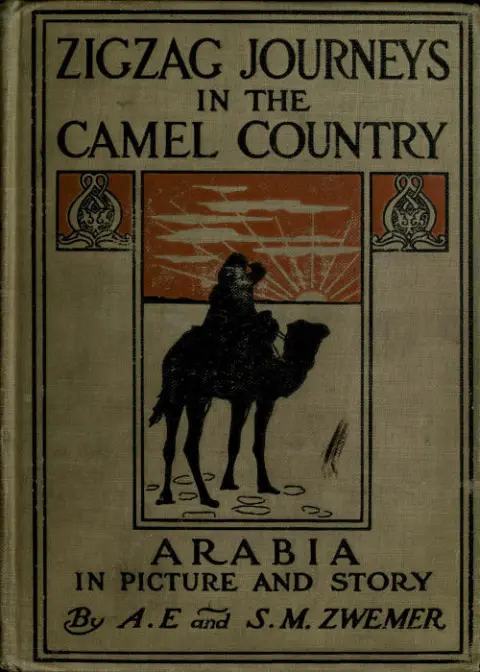
Samuel Marinus Zwemer & Amy E. Zwemer
Samuel Marinus Zwemer & Amy E. Zwemer
BEHIND THE BOOK
This eBook is for the use of anyone anywhere in the United States and most other parts of the world at no cost and with almost no restrictions whatsoever. You may copy it, give it away or re-use it under the terms of the Project Gutenberg License included with this eBook or online at www.gutenberg.org. If you are not located in the United States, you will have to check the laws of the country where you are located before using this eBook. Read the source licence.
The original source file, including credits and licence, is retained by this library. Request an original-format copy at no charge. Please include the book title and Project Gutenberg identifier #74846.
KEEP YOUR CURIOSITY GOING

David Patterson (Spirit) Hatch

David Patterson (Spirit) Hatch

David Patterson (Spirit) Hatch
Cécile Tormay

Moritz Busch
John L. Ransom