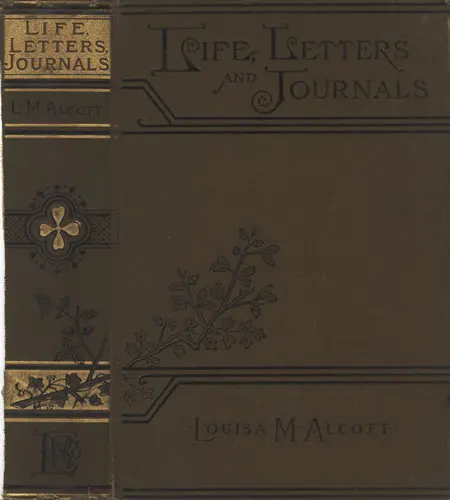
Louisa May Alcott : Her Life, Letters, and Journals
Louisa May Alcott
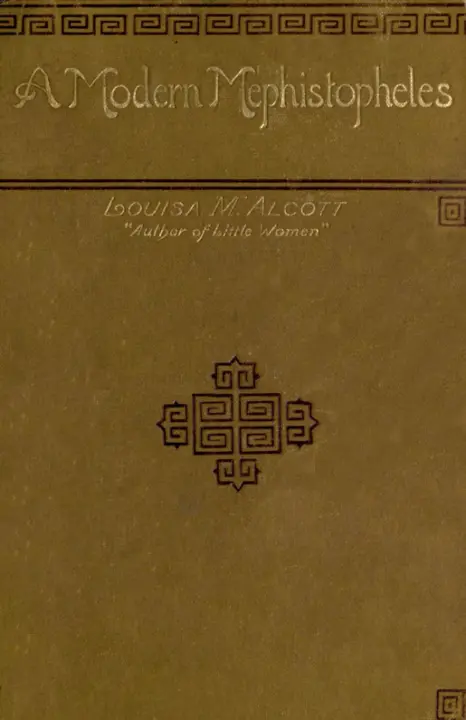
THE CLASSIC COLLECTION · 1877
"A Modern Mephistopheles, and A Whisper in the Dark" by Louisa May Alcott is a novel written in the late 19th century. The book delves into the struggles of its main characters, Felix Canaris, a young man grappling with despair and hopelessness, and Jasper Helwyze, a mysterious benefactor. Their relationship appears complex, with elements of mentorship, power dynamics, and the exploration of artistic ambition against a backdrop of personal turmoil. The beginning of the novel sets a somber tone, beginning with a desolate scene of a cold garret where Felix Canaris contemplates his despair as he burns his manuscripts—a symbol of his failed dreams. The introduction of Jasper Helwyze shifts the narrative; he interrupts Canaris's dark resolve and offers him a chance at redemption through work and mentorship. As Canaris accepts Helwyze's offer, it becomes clear that their relationship will intertwine ambition and dependency. The mood subtly shifts from despair to an uncertain hope as Canaris embarks on a new chapter, influenced by the enigmatic figure of Helwyze, whose intentions feel both alluring and dangerous.
Introduction adapted from the source catalogue; source summaries may be automatically generated.
Free to read · English · 73,492 words · No account needed
MAKE TIME FOR A GOOD BOOK
On by default. Untick to stop anonymous reading totals. Each page counts after 10 seconds in view. How this works.
Anonymous counting is on unless you have switched it off.
A lawn, sere and sodden, lay without, and a line of sombre firs hid the landscape beyond the high wall which encompassed the dreary plot. More and more alarmed, I flew to the door and found it locked. No bell was visible, no sound audible, no human presence near me, and an ominous foreboding thrilled cold through nerves and blood, as, for the first time, I felt the paralyzing touch of fear. Not long, however. My native courage soon returned, indignation took the place of terror, and excitement gave me strength. My temples throbbed with a dull pain, my eyes were heavy, my limbs weighed down by an unwonted lassitude, and my memory seemed strangely confused; but one thing was clear to me, I must see somebody, ask questions, demand explanations, and get away to madame without delay.
With trembling hands I dressed, stopping suddenly, with a cry; for, lifting my hands to my head, I discovered that my hair, my beautiful, abundant hair, was gone! There was no mirror in the room, but I could feel that it had been shorn away close about face and neck. This outrage was more than I could bear, and the first tears I shed fell for my lost charm. It was weak, perhaps, but I felt better for it, clearer in mind and readier to confront whatever lay before me. I knocked and called. Then, losing patience, shook and screamed; but no one came or answered me, and, wearied out at last, I sat down and cried again in impotent despair.
An hour passed, then a step approached, the key turned, and a hard-faced woman entered with a tray in her hand. I had resolved to be patient, if possible, and controlled myself to ask quietly, though my eyes kindled, and my voice trembled with resentment,—
“Where am I, and why am I here against my will?”
“This is your breakfast, miss; you must be sadly hungry,” was the only
reply I got.
“I will never eat till you tell me what I ask.”
“Will you be quiet, and mind me if I do, miss?”
“You have no right to exact obedience from me, but I’ll try.”
“That’s right. Now all I know is that you are twenty miles from the Moors, and came because you are ill. Do you like sugar in your coffee?”
“When did I come? I don’t remember it.”
“Early this morning; you don’t remember because you were put to sleep before being fetched, to save trouble.”
“Ah, that wine! Who brought me here?”
“Dr. Karnac, miss.”
“Alone?”
“Yes, miss; you were easier to manage asleep than awake, he said.”
Your reading position is saved on this browser. Take it to another device with a library code. Reading pages adapt to text, rather than matching a printed edition.
Louisa May Alcott
Louisa May Alcott
Louisa May Alcott
Louisa May Alcott
BEHIND THE BOOK
This eBook is for the use of anyone anywhere in the United States and most other parts of the world at no cost and with almost no restrictions whatsoever. You may copy it, give it away or re-use it under the terms of the Project Gutenberg License included with this eBook or online at www.gutenberg.org. If you are not located in the United States, you will have to check the laws of the country where you are located before using this eBook. Read the source licence.
The original source file, including credits and licence, is retained by this library. Request an original-format copy at no charge. Please include the book title and Project Gutenberg identifier #54212.
KEEP YOUR CURIOSITY GOING
Coulson Kernahan

Maurice Baring
Frances Wright
Cécile Tormay

Frederic Jesup Stimson

W. H. P. (William Henry Pope) Jarvis