
Letters to a Friend, Written to Mrs. Ezra S. Carr, 1866-1879
John Muir
THE CLASSIC COLLECTION · 1897
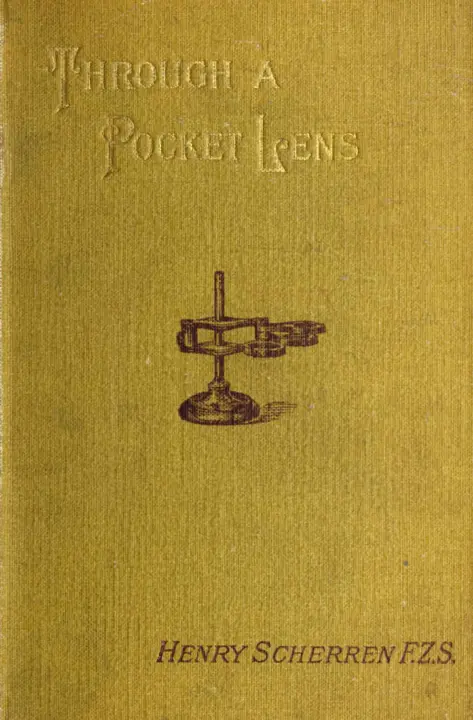
"Through a Pocket Lens" by Henry Scherren is a scientific publication written in the late 19th century. The book aims to educate readers on the usage of simple optical instruments, such as pocket lenses and dissecting microscopes, to observe and study natural specimens, particularly focusing on various types of arthropods. Scherren emphasizes that significant discoveries can be made with basic tools, making the exploration of nature accessible to beginners and enthusiasts alike. The opening of the work introduces the context and purpose of the book, highlighting the importance of simple methods in natural observation. Scherren references notable figures like Charles Darwin to underscore the effectiveness of using basic equipment over complex instruments. He lays groundwork for practical observation by detailing various tools that can be easily obtained or even homemade, preparing the reader for subsequent discussions on specific types of insects and methods of observation that will follow in later chapters.
Introduction adapted from the source catalogue; source summaries may be automatically generated.
Free to read · English · 46,203 words · No account needed
MAKE TIME FOR A GOOD BOOK
On by default. Untick to stop anonymous reading totals. Each page counts after 10 seconds in view. How this works.
Anonymous counting is on unless you have switched it off.
The long breathing-tube of the pupa was several times purposely displaced from its position on the surface. The creature was evidently incommoded, and twisted itself into strong curves; the head was thrown from side to side till part of the breathing-tube was raised above the surface and adhered to the side of the glass tube. Nor did the efforts cease till a considerable portion of the tube was in free communication with the air. This would seem to show that the air-supply is taken through the bladders which appear at irregular intervals in the breathing-tube, and not at the tip, where the keenest observers have failed to find an opening.
Acridiidae, 80.
Alder-fly, larva of, 177;
pupa of, 182.
American Cockroach, 74.
Amphipods, 141;
Rev. T. R. R. Stebbing on, 141.
Aquaria, description of, 20.
Arachnoidea, 96.
Argyroneta aquatica, 108;
De Geer on, 109;
nest of, 110.
Arthropods, 27;
divisions of, 28;
description of, 29.
Ascidians, Darwin on, 13.
Asellus aquaticus, description of, 153.
Assassin Worm, 158.
Aurivillius, Dr., on Crabs, 150.
Bate and Westwood on Gammarus, 147;
on Talitrus, 151.
Bateman, Rev. G. C., on Hydrophilus, 50;
on Nepa, 91;
on China Marks, 171.
Beakers, 21.
Beetle Mite, 119.
Belt on Blatta, 67.
Black Beetle, 63.
Black-bobs, 64.
Blackwall on Spiders, 101, 102.
Blatta orientalis, description of, 63, 66;
Gilbert White on, 64;
Dr. Sharp on, 65;
Belt on, 67;
Sir J. Lubbock on, 68;
anatomy of, 68;
breathing of, 70;
Swammerdam on, 74;
Professor Plateau on, 74.
Book Scorpions, 96.
Brachelytra, 59.
Broad-clawed Porcelain Crab, 139.
Brown China Mark, 172.
Brushes, 23.
Bugs, 86.
Burgess, Mr., on larva of Dytiscus, 160.
Butler, Dr., on Spiders, 100.
Butler, Mr. E. A., on Forficula, 79.
Capsules, 21.
Carcinus maenas, description of, 136.
Centipedes, 122;
marine, 125.
Cerci, 47.
Chelate, meaning of word, 132 n.
China Marks, 171;
Rev. G. C. Bateman on, 171;
De Geer on, 172.
Cockroach, 63.
Cocktail Beetle, 57.
Coleoptera, 32.
Collecting, method of, 25.
Corixa, 94;
Graber on, 95;
Sir J. Lubbock on, 95.
Crab, Shore, 136;
Porcelain, 139.
Crane-fly, 165.
Crustacea, 128.
Daddy-longlegs, 103.
Dallas on Ocypus, 61.
Darwin on microscopes, 12;
on Ascidians, 13.
Devil’s Coach Horse, 57.
Dipping-tubes, 23.
Dissecting microscope, 18.
Dissection, mode of, 37.
Diving Spiders, 108.
Dugès on Water Mites, 117.
Dung Beetle, 119.
Dytiscus marginalis, 31;
etymology of, 33 n.;
breaking of shells by, 33;
Sowerby on, 34;
description of, 35;
food of, 36;
anatomy of, 37;
habits of, 41;
Kirby on, 41;
Sir J. Lubbock on, 42;
Professors Lowne and Miall on, 45;
Dr. Sharp on, 47;
abdomen of, 47;
breathing of, 48;
larva of, 157;
Swammerdam on, 158, 159;
Mr. Burgess on, 160.
Earwig, 75.
Edriophthalma, 129.
Elytra, 41.
Epeira diadema, description of, 98;
web of, 98;
J. A. Thomson on, 100;
Dr. Butler on, 100;
Blackwall on, 101, 102;
mode of taking its prey, 102;
Hudson on, 103;
feet of, 104;
spinnerets of, 105.
Evans, W., on Sialis, 177.
Field, the, quoted, 33, 35.
Forceps, 22.
Forficula auricularia, 75;
Kirby and Spence on, 76;
De Geer on, 76;
young of, 76;
forceps of, 77;
anatomy of, 77;
Butler on, 79;
Dr. Sharp on, 79.
Formalin, 24.
Forty-legs, 122.
Fresh-water Shrimp, 142.
Gamasus coleoptratorum, 119.
Gammarus marinus, 146;
Dr. J. Salter on, 147.
Gammarus pulex, 142;
anatomy of, 144.
Geer, De, on Forficula, 76;
on Locusta, 80;
on Water Mites, 116;
on Beetle Mites, 120;
on Lithobius, 123;
on Julus, 126;
on larva of Limnobia, 167;
on Paraponyx, 172.
Geophilus, 124.
Your reading position is saved on this browser. Take it to another device with a library code. Reading pages adapt to text, rather than matching a printed edition.
BEHIND THE BOOK
This eBook is for the use of anyone anywhere in the United States and most other parts of the world at no cost and with almost no restrictions whatsoever. You may copy it, give it away or re-use it under the terms of the Project Gutenberg License included with this eBook or online at www.gutenberg.org. If you are not located in the United States, you will have to check the laws of the country where you are located before using this eBook. Read the source licence.
The original source file, including credits and licence, is retained by this library. Request an original-format copy at no charge. Please include the book title and Project Gutenberg identifier #68981.
KEEP YOUR CURIOSITY GOING
John Muir

Asa Gray
Asa Gray

Florence Nightingale
Elizabeth Robins Pennell
Denison Olmsted