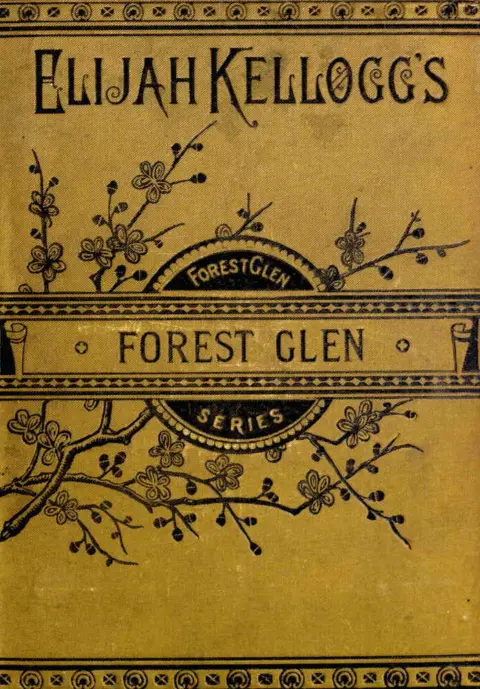
Forest Glen; or, The Mohawk’s Friendship
Elijah Kellogg
THE CLASSIC COLLECTION · 1871
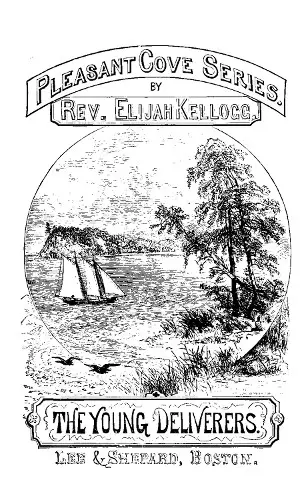
"The Young Deliverers of Pleasant Cove" by Elijah Kellogg is a historical novel written in the late 19th century. The book follows the adventures of young protagonists, particularly focusing on Arthur Brown and his companions as they embark on daring voyages amidst the backdrop of historical maritime challenges and personal tribulations. Themes of camaraderie, courage, and the exploration of new lands are prominent as the characters engage with their environments and face various moral dilemmas. The opening of the narrative introduces readers to key characters and sets the stage for their upcoming adventures. Arthur Brown, a young man recently appointed captain of the brigantine named after his father, is joined by his friend Ned Gates, a smaller but determined sailor. The chapter establishes their camaraderie and introduces secondary characters, including Jacques, a local Frenchman knowledgeable about the coastline, and James Peterson, who is remembered fondly despite his struggles with alcohol. The narrative captures the boys' mixed feelings about their maritime duties and the profound impact of loss, particularly the death of Uncle Isaac. As preparations for another voyage to Marseilles begin, the young deliverers engage in tasks that reveal their ingenuity and resilience, laying the groundwork for the adventures and challenges that await them in the surrounding unfamiliar territories.
Introduction adapted from the source catalogue; source summaries may be automatically generated.
Free to read · English · 57,850 words · No account needed
MAKE TIME FOR A GOOD BOOK
On by default. Untick to stop anonymous reading totals. Each page counts after 10 seconds in view. How this works.
Anonymous counting is on unless you have switched it off.
"Run away from you, cap'n? I would run to you as I would to my mother if she was alive, God bless her! I got a dose of sheet lightning, and, when I waked up, I was aboard an English ship bound to Australia. What become of my clothes? I had a good chistful."
"I kept them aboard till I gave them all away to sailors that had been robbed by the land-sharks."
"Jest right, cap'n, jest like you. Now, shipmates, give me a fist. I want to go ashore, and shake the cap'n's flippers."
With their aid he dismounted, and, getting hold of the captain's hand, which he extended most cordially, he continued to pour forth his protestations of respect and affection.
"How is the wife, cap'n, and the pickaninnies, and that leetle boy of yours, what's got Bunker Hill on his shoulders? Ah, shipmates, that's the bully boy can bend a crowbar over his knee, and mast-head a topsail alone."
"They are all well. But where are you from, Dick?"
"Messina."
"Have you spoke any American vessels on the coast?"
"Yes; two."
"What were they?"
"West Indiamen from Antigua, bound into New London."
"How long have you been ashore?"
"Since eight o'clock this morning--jest long enough to moisten the clay
a little."
Here the conversation was interrupted by the truckman attempting to lead off the horse, having received his pay in advance; but this Dick's shipmates would by no means permit. One shook his fist in the truckman's face, threatening to drive his teeth down his throat; another seized the horse by the bridle, while two others caught hold of his long tail.
"Catch a turn, Bill, round that timber-head."
Bill caught a turn with the tail round a barber's pole that was set in the ground before the door of a grog-shop, the barber occupying rooms overhead. But the horse, not accustomed to being thus dealt with, began to kick and jump, amid the cheers and laughter of the crowd, till he pulled the pole over amongst them.
In order to restore good feeling, Dick now proposed to the truckman to
take some bitters.
"I say, Dick," said Bill Matthews, "it seems to me as how you ought to
treat this 'ere horse."
"So I will, shipmates, bless me if I don't," said Dick, who had meantime been trying to persuade the captain to drink with him. "If the cap'n won't drink, the horse shall;" and, mounting, he intended to ride him into the bar-room. The horse protested, and so did his owner, but both alike without success. Despite his struggles, the beast was pushed up three steps, into the bar-room.
Your reading position is saved on this browser. Take it to another device with a library code. Reading pages adapt to text, rather than matching a printed edition.
Elijah Kellogg
Elijah Kellogg
Elijah Kellogg
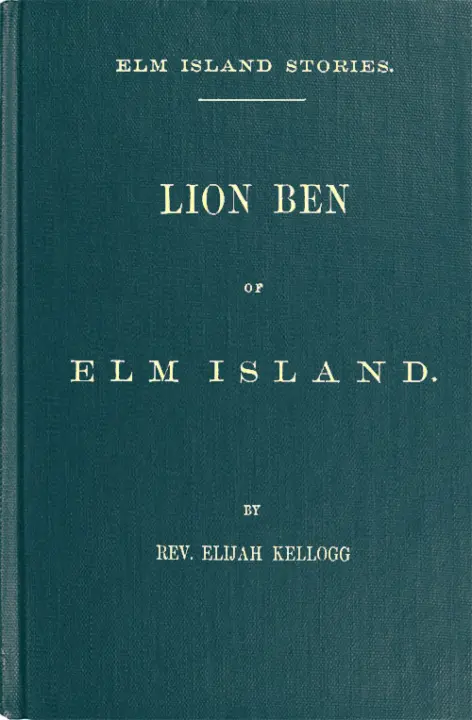
Elijah Kellogg
BEHIND THE BOOK
This eBook is for the use of anyone anywhere in the United States and most other parts of the world at no cost and with almost no restrictions whatsoever. You may copy it, give it away or re-use it under the terms of the Project Gutenberg License included with this eBook or online at www.gutenberg.org. If you are not located in the United States, you will have to check the laws of the country where you are located before using this eBook. Read the source licence.
The original source file, including credits and licence, is retained by this library. Request an original-format copy at no charge. Please include the book title and Project Gutenberg identifier #49745.
KEEP YOUR CURIOSITY GOING
Cécile Tormay

Moritz Busch
Coulson Kernahan
John L. Ransom

Maurice Baring
Frances Wright