
The Writing of News A Handbook with Chapters on Newspaper Correspondence and Copy Reading
Charles G. (Charles Griffith) Ross
THE CLASSIC COLLECTION · 1900
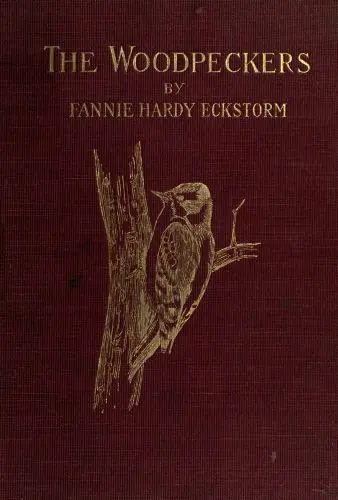
"The Woodpeckers" by Fannie Hardy Eckstorm is a natural history text written in the late 19th century. The book focuses specifically on the fascinating world of woodpeckers, exploring their characteristics, behaviors, and roles within the ecosystem. It serves as both a guide for identifying various species of woodpeckers and an invitation to observe these unique birds more closely in their natural habitats. At the start of the book, the author introduces the concept of nature as a series of riddles to be solved, much like the ancient Sphinx. Eckstorm aims to demystify the world of woodpeckers, providing readers with practical knowledge on how to recognize them by their distinctive silhouettes, colors, and behaviors. The opening portion covers key identifying traits of woodpeckers, such as their clinging posture and unique characteristics of their bills and feet, setting the stage for a thorough exploration of their ecological importance and intriguing habits that will follow in subsequent chapters.
Introduction adapted from the source catalogue; source summaries may be automatically generated.
Free to read · English · 27,335 words · No account needed
MAKE TIME FOR A GOOD BOOK
On by default. Untick to stop anonymous reading totals. Each page counts after 10 seconds in view. How this works.
Anonymous counting is on unless you have switched it off.
Argument from design, 110.
Bear, black, 107.
Beechnuts, as food for woodpeckers, 57, 58, 59.
Beetles, as food for woodpeckers, 3, 11, 63.
Bill of woodpeckers as a tool, 68-76.
Borers, 3, 10, 11, 29, 30, 36.
Burroughs, John, quoted, 17.
Cacti, woodpeckers nesting in, 20.
Cannibalism among woodpeckers, 64.
Carpenter, the. See California woodpecker.
Carpintero, El. See California woodpecker.
Caterpillars, as food for woodpeckers, 10, 11, 29, 63.
Cecropia chrysalids, eaten by woodpeckers, 9.
Chestnuts, eaten by woodpeckers, 59.
Chickadee, 16, 21, 25, 30, 32, 74.
Chipmunks, hoarding food, 60.
Clape. See Flicker.
Creeper, brown, 5, 81, 87, 88.
Crossbills, eating salted food, 31.
Crow, hoarding habit, 60; 74.
Cuckoo, ground, 82.
Cuckoos, yoke-toed, 5, 82.
Drumming of yellow-bellied sapsucker, 16, 17.
Evolution, 109, 112.
Feeding young, how the flicker does it, 24, 25.
Fence-posts used by woodpeckers, 48, 56, 58.
Finch, purple, 39.
Finches, 74.
Fish-spears, 12, 13.
Flicker, 6, 7, 15, 18, 20, 23-26, 73, 74, 82, 88, 89, 95, 97-99,
101, 103, 106, 125.
brown, 126.
cactus, 126.
gilded, 126.
Guadalupe Island, 127.
northern, 126.
northwestern, 126.
red-shafted, 126.
Flycatching habits of woodpeckers, 7, 56, 106, 124.
Foot, of a four-toed woodpecker figured, 77.
of a three-toed woodpecker figured, 80.
discussed as a tool, 77-85.
Grasshoppers, as food for woodpeckers, 3, 56, 63.
Grosbeaks, pine, 39.
Grouse, ruffed, 14, 15.
Grouse, sharp-tailed, 15.
Hawk, sparrow, 21.
High-hole. See Flicker.
Hoarding habits, 62, 63.
Hummingbird, Anna's, 27.
Hummingbirds, 25, 103.
Hyoid bones, 100-103.
Jay, blue, hoarding habit, 53, 60.
Kinglets, 5.
Lightning rods attracting woodpeckers, 18.
Logcock. See Woodpecker, pileated.
Maple, rock and red, sugar made from, 36.
Maize, eaten by English sparrows, 62, 65.
Mandibles of woodpeckers, 13, 101.
Martin, sand, 20.
Mice, hoarding habit, 60.
Migration, dependent upon food supply, 63.
Mountain-ash trees, sought by woodpeckers, 38.
Nesting of woodpeckers, 20-23.
Nests, in unusual places, 20.
North America, ornithologically defined, 114.
Nuthatches, 5, 21, 30, 81.
Oaks, used by Californian woodpecker for storing nuts, 48, 49.
Oranges, eaten by woodpeckers, 65, 66.
Owls, 15, 21, 80.
Pangolin, as an ant-eater, 104.
Parrot, 13, 82.
Parroquet, Carolina, 5.
Pigeon, domestic, 27.
Pines, acorns stored in, 49.
"Ploughshare," anchylosed vertebrae of tail, 86.
Ravens, 74.
Reason in woodpeckers' hoarding, 62.
Red-head. See Woodpecker, red-headed.
Robins, 39.
Sap, not used as an insect-lure, 41.
how its loss harms the tree, 44, 45.
Sapsucker, orange, 65. See, also, Woodpecker, red-bellied.
red-breasted, 122.
red-naped, 121.
Williamson's, 122.
yellow-bellied, 7, 15-17, 33-45, 59, 102, 103, 105, 106.
Skull of woodpecker figured, 101.
Sparrow, English or house, 21, 62, 65.
Spears, 12, 13.
Spruce, acorns stored in, 47, 49, 53.
Squirrels, thievishness of, 23, 53.
Subspecies defined, 114.
Swallow, eaves or cliff, 61, 64, 65.
Swallow, tree, 21.
Swift, chimney, 5, 20, 61, 87, 88.
Tail, shape, 89.
number of rectrices, 95.
experimental demonstration of shape a priori, 91.
reason for shape, 98.
Tail-feathers studied, 94-97.
Taste in the woodpeckers, 38, 39.
Telegraph poles resorted to by woodpeckers, 7, 18, 48.
Thumb, of birds, 80.
Tin roofs resorted to by woodpeckers, 17, 55.
Titmouse, crested, 21.
Toes, numbering of, 79, 80.
Tongue, appearance of, 99.
figured, 99.
bones of, 13, 100-103.
Trogons, yoke-toed, 82.
Vanessa butterfly, 16.
Vegetable food of woodpeckers, 3, 31.
Vireos, 30.
Warblers, 30.
Weevils, not the object in storing nuts, 52.
Woodpecker, Alaskan three-toed, 121.
alpine three-toed, 121.
American three-toed, 121.
ant-eating, 123.
arctic three-toed, 120.
Arizona, 120.
Batchelder's, 118.
black-breasted, 6. See, also, Williamson's sapsucker.
Cabanis's, 118.
Californian, 46-54, 56, 66.
downy, 6, 17, 21, 28-33, 59, 63, 70, 74, 83, 86, 88, 95, 107,
114, 118.
Gairdner's, 118.
Gila, 55, 125.
golden-fronted, 55, 102, 125.
hairy, 6, 9, 28, 32, 59, 63, 74, 83, 86, 88, 89, 95, 97-99, 107,
114, 117.
Harris's, 118.
ivory-billed, 70, 71, 73, 83, 88, 89, 93, 97, 98, 107, 117.
ladder-backed, 119.
Lewis's, 6, 13, 55, 59, 66, 103, 124.
narrow-fronted, 124.
Nelson's downy, 119.
northern hairy, 118.
northern pileated, 123.
Nuttall's, 119.
pileated, 6, 71, 73, 83, 88, 93, 95, 98, 99, 107, 123.
red-bellied, 6, 55, 65, 124.
red-cockaded, 119.
red-headed, 6, 7, 11, 55-58, 60-64, 105, 123.
Rocky Mountain, 118.
St. Lucas, 119.
southern downy, 118.
southern hairy, 118.
Texan, 119.
three-toed, foot figured, 80.
white-headed, 120.
Your reading position is saved on this browser. Take it to another device with a library code. Reading pages adapt to text, rather than matching a printed edition.
BEHIND THE BOOK
This eBook is for the use of anyone anywhere in the United States and most other parts of the world at no cost and with almost no restrictions whatsoever. You may copy it, give it away or re-use it under the terms of the Project Gutenberg License included with this eBook or online at www.gutenberg.org. If you are not located in the United States, you will have to check the laws of the country where you are located before using this eBook. Read the source licence.
The original source file, including credits and licence, is retained by this library. Request an original-format copy at no charge. Please include the book title and Project Gutenberg identifier #35062.
KEEP YOUR CURIOSITY GOING
Charles G. (Charles Griffith) Ross
Hannah Webster Foster

Emily Lawless
Edwin Hamlin Carr

Charles De Lano Hine
Andrew Ure