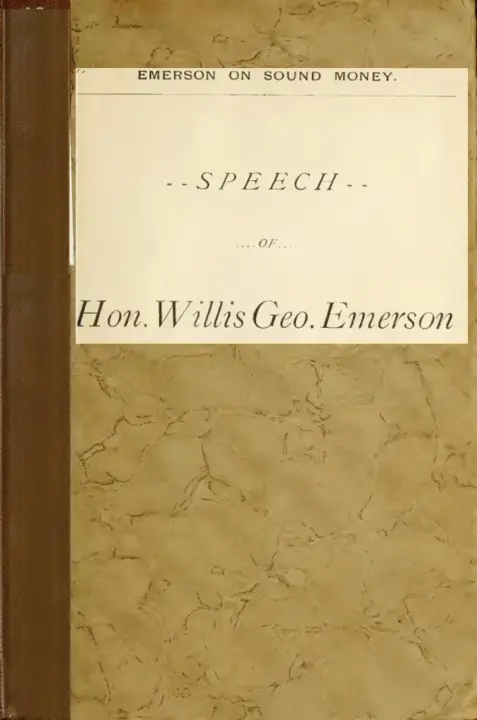
Emerson on Sound Money A Speech, 1896
Willis George Emerson
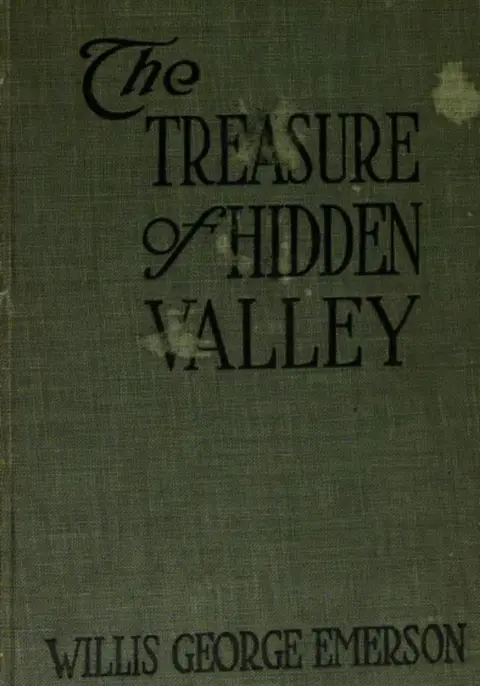
THE CLASSIC COLLECTION · 1915
"The Treasure of Hidden Valley" by Willis George Emerson is a novel written in the early 20th century. The book follows Roderick Warfield, a young man recently home from New York, who faces financial struggles and the weight of familial expectations. The story delves into themes of adventure, ambition, and the allure of a hidden treasure, sparked by revelations from Roderick’s deceased father about a mysterious gold mine in Wyoming. The opening of the novel sets the stage for Roderick's return to his Iowa hometown, where he receives a cool reception from his wealthy uncle, Allen Miller. The tension between them is thick, rooted in differing values regarding wealth and ambition, especially as Roderick seeks financial backing for a speculative mining deal. After a fiery confrontation, he leaves home, buoyed by a letter from his father that reveals the location of a lost mine. This begins Roderick's journey toward adventure, with destiny calling him to the rugged landscapes of Wyoming, where he hopes to unearth both treasure and the secrets of his family legacy.
Introduction adapted from the source catalogue; source summaries may be automatically generated.
Free to read · English · 107,144 words · No account needed
MAKE TIME FOR A GOOD BOOK
On by default. Untick to stop anonymous reading totals. Each page counts after 10 seconds in view. How this works.
Anonymous counting is on unless you have switched it off.
“Fond of him?” ejaculated Grant in disgust; “he is the most obnoxious creature in the district. He treats everybody who is working for him as if they were dogs. He has this bruiser, Bud Bledsoe, as a sort of bodyguard and this W. Henry Carlisle as a legal protector, so he attempts to walk rough shod over everybody—indifferent and insolent. Oh, let’s not talk about Grady. I become indecently indignant whenever I think of his outrages against some of the poor fellows in this camp.”
“All right,” said Roderick, jovially looking up; “let us talk about the dance and especially Miss Dorothy.”
“That’s the text,” said Grant, “Dorothy—Dorothy Shields-Jones. Won’t that make a corker of a name though? If I tell you a secret will you promise it shall be sacred?”
“Certainly,” replied Roderick.
“Well,” said Grant, reddening, “while I was over there at the Dillon Doublejack office, isolated from the world, surrounded with mountains and snow—nothing but snow and snowbanks and high mountains in every direction, why, I played job printer and set up some cards with a name thereon—can’t you guess?”
“Impossible,” said Roderick, smiling broadly.
“Well, Mrs. Dorothy Shields-Jones,” he repeated slowly, then laughed uproariously at the confession.
“Let me see one of the cards,” asked Roderick.
“Oh, no, I only kept the proof I pulled before pieing the type, and that I have since torn up. But just wait That girl’s destiny is marked out for her,” continued Grant, enthusiastically, “and believe me, Warfield, I shall make her life a happy one.”
“Hope you’ve convinced her of that, old man?”
“Convinced her! Why I haven’t had the courage yet to say a word,” replied Grant, somewhat shamefacedly. “I’m going to rely on you to speak up for me when the critical moment arrives.”
“It was rather premature, certainly, to print the lady’s double-barreled-name visiting card,” laughed Roderick. “But there, you know I’m with you and for you all the time.” And he extended the hand of brotherly comradeship.
“And about you and Barbara?” ventured Grant, tentatively. “I’ve heard your name mentioned in connection with hers several times.”
“Oh, forget all that rot,” responded Roderick, flushing slightly. He had never mentioned the “college widow” to his friend, and felt that he was sailing under false colors. “It will be a long time before I can think of such matters,” he went on, turning toward his accustomed stretcher. “Let’s get to bed. It has been a long day, and I for one am tired.”
A few minutes later lights were out.
Your reading position is saved on this browser. Take it to another device with a library code. Reading pages adapt to text, rather than matching a printed edition.
Willis George Emerson
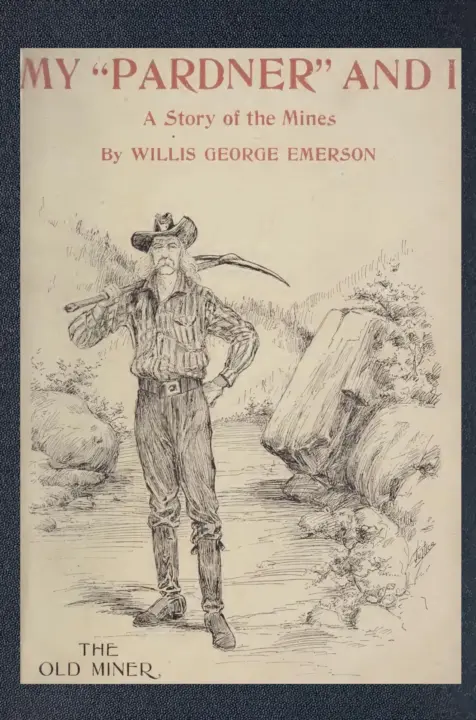
Willis George Emerson
Willis George Emerson
Willis George Emerson
BEHIND THE BOOK
This eBook is for the use of anyone anywhere in the United States and most other parts of the world at no cost and with almost no restrictions whatsoever. You may copy it, give it away or re-use it under the terms of the Project Gutenberg License included with this eBook or online at www.gutenberg.org. If you are not located in the United States, you will have to check the laws of the country where you are located before using this eBook. Read the source licence.
The original source file, including credits and licence, is retained by this library. Request an original-format copy at no charge. Please include the book title and Project Gutenberg identifier #52461.
KEEP YOUR CURIOSITY GOING
Coulson Kernahan

Maurice Baring
Frances Wright
Cécile Tormay

Frederic Jesup Stimson

W. H. P. (William Henry Pope) Jarvis