THE CLASSIC COLLECTION✦DanteCLASSIC FREE BOOKS
Dante
Edmund G. Gardner
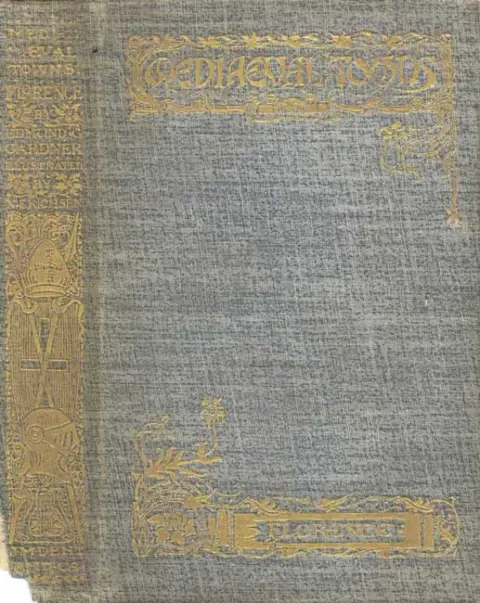
THE CLASSIC COLLECTION · 1900
"The Story of Florence" by Edmund G. Gardner is a historical account written in the early 20th century. This work aims to provide a popular history of the Florentine Republic, combining a narrative of its rich past with guide-like insights into its streets, buildings, and artistic treasures. It explores the fascinating complexities of Florence's history, from its legendary origins to its significant cultural developments during the Renaissance. The opening of the book sets the stage for a detailed exploration of Florence's past by describing its geographical beauty and historical significance. Gardner begins with reflections on the city’s origins, emphasizing the influence of both the Etruscans and Romans in its establishment. He elaborates on various legends surrounding Florence while grounding the narrative in historical events that shaped its identity. The text introduces key figures and moments that highlight Florence's cultural vibrancy and civic struggles, establishing a backdrop for the tumultuous yet glorious history that unfolds in later chapters. This introduction primes the reader for an engaging journey through the evolution of Florence as a pivotal city in medieval and Renaissance Italy.
Introduction adapted from the source catalogue; source summaries may be automatically generated.
Free to read · English · 116,861 words · No account needed
MAKE TIME FOR A GOOD BOOK
On by default. Untick to stop anonymous reading totals. Each page counts after 10 seconds in view. How this works.
Anonymous counting is on unless you have switched it off.
Miniato al Monte, S., 13, 398, 401, 403.
Misericordia, Confraternity of, 264.
Montaperti, Battle of, 23, 24.
Montefeltro, Buonconte da, 40, 421.
Montefeltro, Federigo da (Duke of Urbino), 174.
Monticelli, convent, 405.
Mozzi, the, 342, 375;
Piazza dei, 377;
villa, 410.
Murate, le, 227, 228.
Nerli, the, 375, 376.
Neri. See Bianchi.
Nero, Bernardo del, 128, 155.
Neroni, Dietisalvi, 85, 412.
Niccoli, Niccolo, 102, 103, 291.
Niccolo, S., 396, 397.
Nori, Francesco, 235, 279.
Nardi, Jacopo, 72, 135, 228.
Ognissanti, 371-372.
Oltrarno (Sesto di, afterwards Quartiere di Santo Spirito),
18-19, 374, 396.
Onofrio, S., 336.
Orange, Prince of, 143, 228, 397.
Ordinances of Justice, 41-43, 71, 221.
Or San Michele, 65, 66, 184-199.
Orlandi, Guido, 187, 188.
Orsini, Alfonsina, 118, 141;
Clarice, 86;
Napoleone, 50.
Orti Oricellari, 370, 371.
Otto della Guerra, 62.
Palazzo Vecchio (della Signoria), 41, 65, 72, 78, 79, 146-154.
Palmieri, Matteo, 210, 224.
Pandolfini, Palazzo, 335.
Parte Guelfa, 28, 44, 62, 71, 74, 195, 232;
Palace of, 28-31, 200.
Passavanti, Fra Jacopo, 70, 359, 366.
Passerini, Cardinal, 142.
Pater, Walter, 71, 166, 169, 178, 179, 224, 240.
Pazzi, conspiracy, 88, 89, 93 (note), 103, 155, 181, 279, 410;
carro dei, 279;
cappella dei, 243;
family, 59, 347;
palaces, 209.
Pazzi (dei), Francesco, 279;
Jacopo, 89, 243;
Guglielmo, 85;
Pazzino, 53;
Piero, 103.
Pecora, 43.
Peruzzi, Piazza dei, 7, 341 (note);
Cappella dei, 240, 241.
Peter Igneus, 13.
Petracco, 50.
Petrarca, Francesco, 32, 50, 55, 61, 69, 81, 405.
Piazzale Michelangelo, 398.
Pico della Mirandola, 92, 108, 109, 170, 301.
Piero Maggiore, S., Piazza di, 53, 59, 209, 210.
Pistoia, 418.
Pitti, Luca, 85, 375, 377, 378, 412.
Pitti, Palazzo and R. Galleria, 377-388.
Podesta, office of, 19, 23, 27, 28, 214.
Podesta, Palazzo del. See Bargello.
Poggio a Caiano, 413-415.
Poggio Imperiale, 405, 406.
Poliziano, Angelo, 87, 92, 93, 106-108, 178, 181, 227, 298, 301,
364, 415.
Pulci, Luigi, 106.
Ponte alla Carraia, 342, 345, 346:
Ponte alle Grazie (Rubaconte), 340, 341, 375, 377, 398;
Ponte S. Trinita, 342, 346, 348, 350;
Ponte Vecchio, 20, 341, 342, 375.
Poppi, 419, 420.
Popolo, Primo, 23, 24, 214;
Secondo, 27, 28, 31, 35, 41, 42, 146.
Porciano, 419, 420.
Ponte a Mensola, 410.
Porta alla Croce, 53, 333, 334;
Porta San Frediano, 67, 408;
Porta San Gallo, 334;
Porta San Giorgio, 403, 404;
Porta San Miniato, 403;
Porta San Niccolo, 25, 396, 397;
Porta al Prato, 334, 371, 372;
Porta Romana, 377, 404, 405, 407.
Por S. Maria, Via, 346.
Portinari, the, 206, 207;
Beatrice, 37, 206;
Folco, 206, 329;
Manetto, 206, 207;
Tommaso, 330.
Prato, 415-418.
Pratovecchio, 419.
Quaratesi, Palazzo (De Rast), 209.
Reparata, S. See S. Maria del Fiore.
Ricci, the, 62;
Marietta dei, 406.
Riccardi, Palazzo, 78, 79, 87, 98, 118, 283-288.
Riccardiana, Biblioteca, 288.
Ripoli, Piano di, 397.
Rossi, the, 59, 376, 376.
Robert, King of Naples, 54, 55, 225, 245.
Romena, 419, 420.
Rovere, Cardinal della. See Julius II.
Rovere, Francesco Maria, 167, 177.
Rucellai, Bernardo, 85, 353, 354.
Rucellai, Palazzo, Loggia, Cappella, 353, 354;
chapel in S. Maria Novella, 361;
gardens, 370, 371.
Ruskin, passim.
Sacchetti, Franco, 32, 65, 70, 71, 199;
family of, 208.
S. Salvi, 54, 333, 334.
Salviati, house of, 207;
Abp, 88;
Marcuccio, 158, 159;
Maria, 142, 413.
S. Salvadore al Monte, 398.
SAVONAROLA, FRA GIROLAMO.
At the death-bed of Lorenzo, 92, 93, 108;
friendship with Pico, 109;
earlier life, 111;
commences his mission, 112;
his visions of the Two Crosses and the Sword, 113-115;
during the French invasion, 116, 117, 119;
guides the Republic, 119, 120;
his vision of the Lilies, 121;
his reformation of Florence, 121-123;
struggle with the Pope begins, 123, 124;
denounces corruption, 124-126;
is excommunicated, 127;
his orthodoxy, 128;
returns to the pulpit, 128;
promises miracles, 129;
his last sermon, 129, 130;
appeals to Christendom against the Pope, 130;
the Ordeal by Fire, 131, 132, 157-160;
his capture, 132-133;
is tortured, 133-134;
his martyrdom, 134-136;
prophecies fulfilled, 136, 145;
his discourse to the Signoria, 151;
his prayer and meditations, 153, 154;
medal and picture of, 224, 352;
sermons in the Duomo, 280;
in San Marco, 298, 301-303, 305, 307-309;
on the night of Palm Sunday, 310-313;
his portrait, 323.
Salutati, Coluccio, 390.
Scalzo, Chiostro dello, 324.
Scolari, Filippo (Pippo Spano), 329, 336.
Seta, Arte della (Arte di Por S. Maria), 28, 38, 189, 194, 318, 325.
Settignano, 410.
Sforza, Caterina, 142, 173, 227;
Francesco, 78, 79, 82;
Galeazzo Maria, 82, 86-88, 168;
Ludovico, 90, 95, 121, 124, 136, 137.
Shelley, 2, 105, 169, 220, 373.
Signoria, Palazzo della. See Palazzo Vecchio.
Your reading position is saved on this browser. Take it to another device with a library code. Reading pages adapt to text, rather than matching a printed edition.
Edmund G. Gardner

Edmund G. Gardner
BEHIND THE BOOK
This eBook is for the use of anyone anywhere in the United States and most other parts of the world at no cost and with almost no restrictions whatsoever. You may copy it, give it away or re-use it under the terms of the Project Gutenberg License included with this eBook or online at www.gutenberg.org. If you are not located in the United States, you will have to check the laws of the country where you are located before using this eBook. Read the source licence.
The original source file, including credits and licence, is retained by this library. Request an original-format copy at no charge. Please include the book title and Project Gutenberg identifier #37793.
KEEP YOUR CURIOSITY GOING
Cécile Tormay

Moritz Busch
John L. Ransom
Frances Wright
Cécile Tormay

Mabel Potter Daggett