THE CLASSIC COLLECTION✦The Disappearing EyeCLASSIC FREE BOOKS
The Disappearing Eye
Fergus Hume
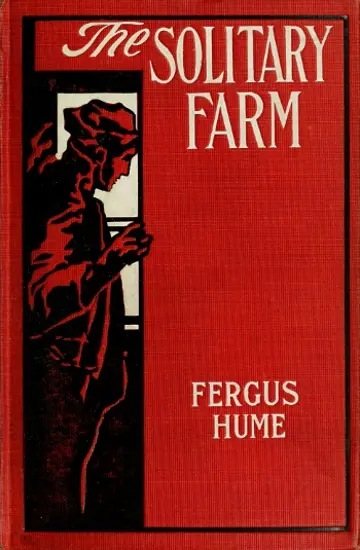
THE CLASSIC COLLECTION · 1909
"The Solitary Farm" by Fergus Hume is a novel written in the early 20th century. The story revolves around Captain Huxham, a retired sailor turned farmer, and the complex relationships of his daughter Bella Huxham with her suitors, particularly the preacher Silas Pence and a mysterious journalist named Cyril Lister. As tensions rise, themes of love, envy, and familial conflict come into play, particularly influenced by Huxham's vehement disapproval of Bella's affections for Lister. The opening of the novel introduces a heated discussion between Captain Huxham and the ardent preacher Silas Pence regarding Bella's potential marriage. Huxham’s apparent anger towards Lister raises questions about the journalist's background and the source of the captain's disdain. Tensions boil over as Huxham offers Pence a sinister proposal regarding Lister, reflecting the captain’s volatile nature. The narrative sets up a tense atmosphere, leading to a mysterious crime—the captain's eventual murder, which adds layers of intrigue and suspense to the unfolding drama. As the plot thickens, the interplay of love, secrets, and betrayal becomes increasingly significant in the lives of the characters.
Introduction adapted from the source catalogue; source summaries may be automatically generated.
Free to read · English · 91,003 words · No account needed
MAKE TIME FOR A GOOD BOOK
On by default. Untick to stop anonymous reading totals. Each page counts after 10 seconds in view. How this works.
Anonymous counting is on unless you have switched it off.
"I know what Christ preached," replied Bella quietly; "and Mr. Pence has not the spirit of His preaching."
"In what way, pray?"
"Mr. Pence does not do as he would be done by. I wonder how he would like to suffer the condemnation which he measures out so freely to other people."
"Silas Pence is a good man, and no condemnation is possible where he is concerned," cried Mrs. Coppersley fervently, and bounced into the house.
"In that case he should make allowance for those who are not good."
"Not at all," said the elder woman, stating her views uncompromisingly. "The good shall go to heaven, and the wicked to hell: that's Scripture."
"As translated by man," finished Bella neatly; "but the Sermon on the
Mount, Aunt Rosamund----"
"Bella, you are irreligious," interrupted the lady, removing her hat and placing it on the kitchen-table. "I won't have freethinkers in my house."
Bella raised her finely-marked eye-brows. "Your house?"
"Yes," almost shouted Mrs. Coppersley violently, for she felt somewhat nervous as to what she was about to say, "my house. I didn't tell you before, as I have a kind heart, but it is time we understood one another. To-night I shall explain myself, so that you may understand your position."
"You shall explain yourself now," said Bella, pale but determined.
"I have no time," said her aunt brusquely; "Henry is coming to dinner."
"I don't care if Mr. Vand is coming to dinner twenty times over," said Bella, her eyes growing hard with anger. "You have said so much that you must say all, Aunt Rosamund."
"Don't bully and bounce me, miss."
"I shall act exactly as I please, and it is my pleasure that you would
explain what you mean."
"I have to lay the cloth and see to the dinner. You know that Jane never can cook to Henry's liking. I daresay the meat is burnt and the----" Mrs. Coppersley was about to pass into the scullery where the one small servant, over whom she tyrannised, slaved at the mid-day meal, when Bella caught her by the wrist. "How dare you, Bella?" cried the stout woman.
"Come into the drawing-room, out of Jane's hearing," whispered Bella fiercely. "I shall not wait another minute for an explanation. This house is either mine or yours."
"Very well," cried Mrs. Coppersley, bouncing towards the kitchen door, "If you will have it, you shall have it. I have tried to spare you, but----"
"Go on to the drawing-room, please," interrupted Bella imperiously, as she saw the small servant peeping round the corner; "there is no need for us to discuss private matters in public."
Your reading position is saved on this browser. Take it to another device with a library code. Reading pages adapt to text, rather than matching a printed edition.
Fergus Hume

Fergus Hume

Fergus Hume
Fergus Hume
BEHIND THE BOOK
This eBook is for the use of anyone anywhere in the United States and most other parts of the world at no cost and with almost no restrictions whatsoever. You may copy it, give it away or re-use it under the terms of the Project Gutenberg License included with this eBook or online at www.gutenberg.org. If you are not located in the United States, you will have to check the laws of the country where you are located before using this eBook. Read the source licence.
The original source file, including credits and licence, is retained by this library. Request an original-format copy at no charge. Please include the book title and Project Gutenberg identifier #35146.
KEEP YOUR CURIOSITY GOING
Coulson Kernahan

Maurice Baring
Frances Wright
Cécile Tormay

Frederic Jesup Stimson

W. H. P. (William Henry Pope) Jarvis