THE CLASSIC COLLECTION✦An outlaw’s diary: the CommuneCLASSIC FREE BOOKS
An outlaw’s diary: the Commune
Cécile Tormay
THE CLASSIC COLLECTION · 1913
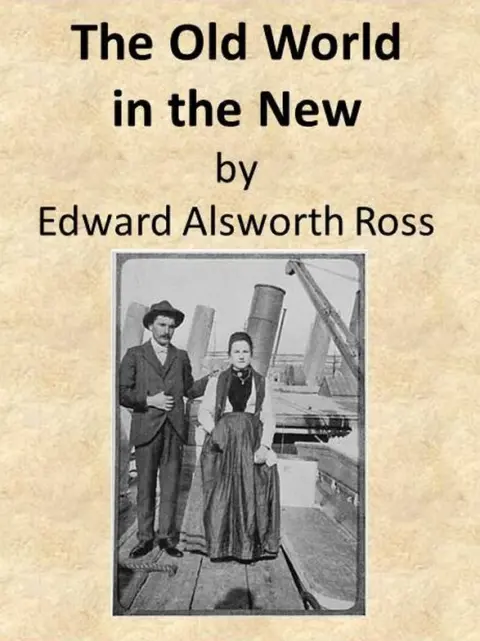
"The Old World in the New" by Edward Alsworth Ross is a sociological study written in the early 20th century. The book examines the effects and significance of immigration on American society, tracing the characteristics and contributions of various immigrant groups to the development of the United States. It explores themes such as cultural assimilation, economic impact, and the evolving identity of the American populace in light of the influx of diverse ethnicities. The opening of the work provides a thoughtful preface, arguing against a purely humanitarian view of immigration, framing it as a complex issue that involves both the benefits to immigrants and the potential consequences for the host nation. Ross reflects on the transformative power of immigration in spreading democratic ideals globally, using anecdotes to illustrate the emotional and social stakes involved. He conveys a nuanced understanding of immigration, recognizing both the struggles faced by new arrivals and the responsibility to maintain the standards and values that define the nation. This introduction sets the tone for a deeper exploration of the many facets of immigration and its role in shaping American society.
Introduction adapted from the source catalogue; source summaries may be automatically generated.
Free to read · English · 60,448 words · No account needed
MAKE TIME FOR A GOOD BOOK
On by default. Untick to stop anonymous reading totals. Each page counts after 10 seconds in view. How this works.
Anonymous counting is on unless you have switched it off.
Mongolian immigrants, 168-175.
Morals, 34, 64-65, 72, 90-91, 101, 105-106, 117, 129, 149-155, 169, 180-181, 193, 238, 255, 293-295.
Mortality, immigrant, 17-20, 30, 71, 113, 126, 130-134, 136, 189, 234, 244, 263, 273-274, 291-292.
Municipal Government, 229;
Irish in, 259-263;
foreign-born in, 269-275.
Music, immigrant contribution to, 50, 54, 62, 90, 103, 138, 279.
Naturalization, extent of, 264-266.
Naturalization frauds, 272-273.
Natural selection, 14-23, 61, 145, 290, 292.
Neapolitans, 98-101, 105-106, 107, 113, 117-118, 243.
New Bedford whalers, 176, 179.
New York, insane of, 249, 250.
New York State Hospital Commission, quoted, 249.
Niceforo, Professor, cited, 98-101.
Norwegian immigrants, 68, 69, 73, 74, 75, 76, 80, 82-83.
Nationalism, revival of Slavic, 134-135.
Occupational preferences, Irish, 35-36;
German, 62-63;
Scandinavian, 73-75;
Italian, 102-104;
Slavic, 124-127;
Hebrew, 31;
146-148;
Finnish, 169;
Magyar, 174;
Portuguese, 179-180;
Greek, 184-188;
Levantine, 193;
foreign-born, 202-203.
Oriental traits, 190, 193, 237.
Oversea passage, conditions of, 17-18, 196.
Padrone, the, 188-190, 272.
Parks, abuse of, 149.
Parties, immigrants and political, 54-57, 66, 76, 91, 117, 158, 170,
261-263.
Patriotism, 136, 170, 251, 269.
Pauperism, Irish, 29;
Germans, 59;
Scandinavians, 59;
Hebrew, 149;
Portuguese, 180;
natives, 209;
foreign-born, 240-245.
Peasantism, 135-137; 181-182, 228-233, 237, 254-256, 286, 292.
Pecorini, quoted, 112.
Penal transportation, 8.
Penn, William, 10, 17.
Pennell, Joseph, quoted, 146.
Pennsylvania Germans, 10-12, 52, 298.
Peonage among immigrants, 233-234.
"Personal liberty," 53, 76, 276, 279.
Physiognomy of immigrants, 85, 113, 285-289.
Pioneer breed, the, 20-23, 282, 290, 300.
Polish immigrants, 124, 126, 127, 133, 135-137, 139-140, 181, 207, 208, 220, 230, 236, 238, 244, 252, 253, 275, 291.
Political mysticism, 280-281.
Political psychology of races, 40-42, 66, 91-92, 119, 194, 261-262,
294-296.
Political tendencies of naturalized immigrants;
of Irish, 39, 41, 42;
of Germans, 47, 54-55, 66;
of Scandinavians, 76, 83, 91-92;
of Italians, 119;
of Slavs, 136;
of Hebrews, 144, 148, 158, 279;
of Finns, 170;
of Levantines, 194;
of foreign-born, 229-230, 232, 255-256, 259-281.
Polyandry, 180-181, 238.
Portuguese immigrants, 105, 175-182, 202, 236, 289.
Prejudice in politics, 263.
Presbyterian immigrants, 12-13.
Press, the foreign, 50, 135, 146, 156, 276.
Pride, Magyar, 173, 174.
Prostitutes, immigrant, 155, 156, 164.
Public service, Irish in the, 35-39, 259-262;
Hebrews, 148.
Puritans, 3-4, 19, 54, 57, 76, 163, 238, 297.
Pytheas, quoted, 72.
Quakers, 10, 11, 13.
Race suicide, 133-134, 299-304.
Raisin packers, displacement of American, 303.
Religion, immigrants and, 39, 46, 47, 57, 71, 82, 90, 135, 137, 157, 166, 182, 237, 252, 253.
Retardation of school children, 98, 114, 119, 139, 158, 181.
Roman Catholic policy, 136, 182, 251-254.
Royalists, migration of, to Virginia, 7.
Russia, as source of immigrants, 140, 144-145, 169.
Russo-Jewish immigration, 144-146.
Ruthenian immigrants, 124, 128, 236.
Sabbath keeping, 166.
Saloon keepers, foreign-born, 35, 36, 73, 111, 127, 137, 255, 272,
275-276.
Saracen blood, 97, 168.
Scandinavian immigrants, 67-92;
numbers, 67;
distribution, 68, 69;
social characteristics, 70-72;
criminality, 72;
alcoholism, 72-73;
occupations, 44, 73-75, 202, 260;
assimilation, 75-79;
reaction to America, 79-81;
national contrasts, 81-83;
intellectual ability, 83-85, 298;
traits, 32, 42, 43, 85-92, 263, 294.
School, immigrants and the church, 136, 137, 182, 251-254, 256,
279, 280.
School, immigrants and the public, 79, 93, 112, 114, 119, 136, 139, 158, 159, 170, 181, 182, 246, 250-254, 256, 279-280, 303.
Science, immigrants in, 39, 58, 66, 81, 148.
Scotch immigrants, 12, 70, 298.
Scotch-Irish immigrants, 12-13, 298.
Servants, indentured, 7-8.
Servians, 123, 124, 134, 175.
Servitude of Greek bootblacks, 188-190.
Sexes, proportion of the, 70, 96, 124, 145, 169, 174, 179, 183,
237-238.
"Sexual hospitality," 180-181.
Shoe-shining parlors, Greek, 187-190.
Shrine, a miracle-working, 232.
Sicilian immigrants, 101, 107, 118, 119.
Slavic immigrants;
race, 120-123, 173;
groups, 123-124;
quality, 174, 299;
occupations, 124-127, 207, 208, 210, 213, 215, 216, 220;
alcoholism, 33, 127-129, 229;
crime, 72, 129;
fecundity, 129-134, 303;
assimilation, 134-138, 239;
in agriculture, 126, 127, 203;
ability, 138-139, 246;
future, 139-140;
traits, 34, 219, 243, 244, 252, 254, 289, 291, 292.
Slovak immigrants, 86, 124, 130, 137, 208, 238, 252, 253.
Sociability, 32, 40-42, 64, 82, 89-90, 117-118, 194, 261-262.
Social decline, 127, 133-138, 145, 155-157, 228-230, 254-256.
Social evil, the, 34, 107, 129, 150, 153, 155-157, 164, 174, 175, 180-181, 228, 237-238, 245, 274.
Socialism, 40, 66, 82, 159, 160, 170.
Social pressure, rise of, 222-226.
South, the;
Germans in, 49;
attitude toward Italians, 104;
political spirit, 263.
Spanish-American colonies, 14.
Spencer, Herbert, quoted, 288.
Split-family immigration, 96, 124, 137, 174, 238.
Sports, immigrants in athletic, 43, 63, 90, 289, 290.
Standards, contrast of, 216, 300-303.
Stature of immigrants, 63, 98, 101, 102, 126, 289.
Steerage traffic, volume of, 197.
"Sterility," American, 299-304.
Strike-breakers, immigrants as, 207, 208, 219, 236.
Survival of the fittest, 17-21, 290-292.
Swedish immigrants, 68, 72, 73, 74, 75, 76, 81, 82, 83, 85, 168,
169.
Syrian immigrants, 61, 176, 190-194, 243, 289, 293.
Tammany Hall, 274.
Tariff, the protective, 198, 201.
Teachers of foreign stock, 36, 43, 75, 89, 148, 254.
Team work, 108, 294, 295.
Your reading position is saved on this browser. Take it to another device with a library code. Reading pages adapt to text, rather than matching a printed edition.
BEHIND THE BOOK
This eBook is for the use of anyone anywhere in the United States and most other parts of the world at no cost and with almost no restrictions whatsoever. You may copy it, give it away or re-use it under the terms of the Project Gutenberg License included with this eBook or online at www.gutenberg.org. If you are not located in the United States, you will have to check the laws of the country where you are located before using this eBook. Read the source licence.
The original source file, including credits and licence, is retained by this library. Request an original-format copy at no charge. Please include the book title and Project Gutenberg identifier #47954.
KEEP YOUR CURIOSITY GOING
Cécile Tormay

Moritz Busch
John L. Ransom
Frances Wright
Cécile Tormay

Mabel Potter Daggett