THE CLASSIC COLLECTION✦An outlaw’s diary: the CommuneCLASSIC FREE BOOKS
An outlaw’s diary: the Commune
Cécile Tormay
THE CLASSIC COLLECTION · 1913
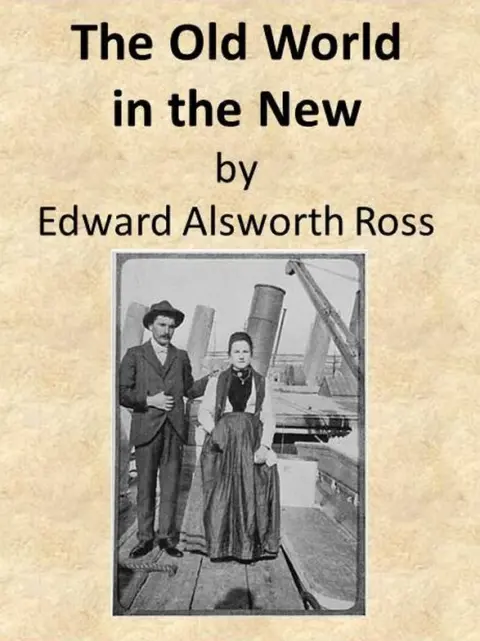
"The Old World in the New" by Edward Alsworth Ross is a sociological study written in the early 20th century. The book examines the effects and significance of immigration on American society, tracing the characteristics and contributions of various immigrant groups to the development of the United States. It explores themes such as cultural assimilation, economic impact, and the evolving identity of the American populace in light of the influx of diverse ethnicities. The opening of the work provides a thoughtful preface, arguing against a purely humanitarian view of immigration, framing it as a complex issue that involves both the benefits to immigrants and the potential consequences for the host nation. Ross reflects on the transformative power of immigration in spreading democratic ideals globally, using anecdotes to illustrate the emotional and social stakes involved. He conveys a nuanced understanding of immigration, recognizing both the struggles faced by new arrivals and the responsibility to maintain the standards and values that define the nation. This introduction sets the tone for a deeper exploration of the many facets of immigration and its role in shaping American society.
Introduction adapted from the source catalogue; source summaries may be automatically generated.
Free to read · English · 60,448 words · No account needed
MAKE TIME FOR A GOOD BOOK
On by default. Untick to stop anonymous reading totals. Each page counts after 10 seconds in view. How this works.
Anonymous counting is on unless you have switched it off.
Per Per
Country Cent Cent
of Birth. Urban. Rural.
Belgium 59.6 40.4
Denmark 48.3 51.7
England 72.6 27.4
France 69.9 30.1
Germany 66.7 33.3
Holland 54.9 45.1
Ireland 84.7 15.3
Norway 42.2 57.8
Scotland 72.4 27.6
Sweden 60.6 39.4
Switzerland 53.9 46.1
Per Per
Country Cent Cent
of Birth. Urban. Rural.
Austria 72.4 27.6
Balkan States 50.9 49.1
Finland 50. 50.
Greece 71.4 28.6
Hungary 77.3 22.7
Italy 78.1 21.9
Portugal 69.6 30.4
Roumania 91.9 8.1
Russia 87. 13.
Turkey, in Asia 86.7 13.3
Turkey, in Europe 79.5 20.5
Ability, natural, 10, 12, 13;
Irish, 40-44;
Germans, 50, 58, 64;
Scandinavians, 83-85;
Italians, 113, 114;
Slavs, 138, 139;
Hebrews, 157-164;
Finns, 169;
Portuguese, 176;
Levantines, 190, 193;
foreign-born, 285-287, 296-299.
Abstractness, Hebrew, 159-160.
Agriculture, German immigrants in, 52-53, 62;
Scandinavians, 73-74, 86;
Italians, 103-104;
Slavs, 126-127;
Hebrews, 147, 160;
Finns, 169;
Magyars, 174;
Portuguese, 181;
foreign-born, 195, 202-204.
Alcoholism, Irish, 32-33;
German, 60-61;
Scandinavian, 72-73;
comparative, 104-105;
Slavic, 127-128, 229;
Finnish, 169-170;
Magyar, 175;
Levantine, 190;
foreign-born, 215, 229, 255.
American traits, 23, 290, 295-296.
Americanism, origins of, 22-23.
Anti-semitism, 164, 165.
Assimilation, of Germans, 49-52;
of Scandinavians, 75-81;
of Italians, 111-112, 213;
of Slavs, 134-138;
of Hebrews, 154, 165-167;
of Finns, 170;
of Magyars, 175;
of Portuguese, 182;
of Levantines, 194;
of foreign-born, 245, 250-254, 279-281, 300-303.
"Assistance" for naturalized voters, 271.
Attention to details, comparative, 44, 66.
Avarice, 34, 150-155, 182-183, 188-193, 244, 246, 303.
Azorean immigrants, 176, 179, 181.
Balch, Professor, quoted, 127.
Bankruptcy, fraudulent, 150.
Bar, immigrants at the, 39, 40, 41, 89, 153.
Bargain, the individual, 193.
Bath houses, Finnish, 169.
Bingham, Gen., quoted, 108-111.
Bohemian immigrants, 123, 124, 126, 134, 135, 138, 139, 220,
252, 253.
"Boss," methods of the, 269-275.
Boston, 29, 244, 260.
Bound boys, Greek, 187-190.
Bremer, Frederika, quoted, 69.
Browning, quoted, 106.
Bryce, James, quoted, 51.
Bushee, Dr., quoted, 29, 145, 180, 244.
Cahan, Abram, cited, 164.
Camorra, the, 107.
Canadian immigrants, 182, 253, 298.
Cape Cod Portuguese, 179.
Cape Verde immigrants, 168, 179.
Capitalists and immigration, 198, 201, 210, 213-219, 286, 287.
Cartwright, Sir Richard, quoted, 298.
Caste spirit, growth of, 216, 219, 234-235.
Caterers, Greek immigrants as, 184, 187.
"Cavaliers," in Virginia, 7.
Celtic race traits, 39-44, 64, 85-89.
Charity-seekers, immigrants as, Irish, 29;
Germans, 59;
Italians, 117, 243;
Hebrews, 149;
Magyars, 173;
Syrians, 293;
foreign-born, 105, 240-245.
Child delinquency, 245-246.
Child exploitation, 112, 127, 137, 157, 180, 181, 187-190, 244, 246,
247, 303.
Children, proportion of, 22.
Chinese immigrants, 111, 226.
Cicero, on the Jews, 143.
Cities, immigrants in, 76, 112, 126, 145, 182, 202, 239-240, 244,
260, 282.
Citizenship, interest of immigrants in acquiring, 101, 112, 136, 170, 175, 181-182, 264-266, 269-273.
Civil War, the, 13, 41, 58.
Clannishness of immigrants, Germans, 54, 57;
Italians, 112;
Slavs, 136-137;
Hebrews, 154, 166-167;
Portuguese, 182;
Levantines, 193-194;
Irish, 260-263;
foreign-born, 253.
Clericalism, 123, 135, 136, 252-253, 279-280.
Coal miners, wages of, 213.
Colonies, Hebrew agricultural, 147.
Colonization, of immigrants, 203-204.
Commercialization, 153, 238, 250.
Commercialized immigration, 183-4, 195-197, 204, 226.
Congestion, of Irish, 30;
of Germans, 60;
of Scandinavians, 76;
of Italians, 112, 117-118;
of Slavs, 126;
of Hebrews, 145;
of Magyars, 173-174;
of Portuguese, 180;
of Levantines, 194;
of foreign-born, 238-240, 244, 300-303.
Convict element in the Colonies, 8-9.
Cost of living, causes of high, 201-202.
Courage, 30, 125-126, 262, 295.
Crises and immigration, 222.
Cranberry pickers, 179.
Criminality, Irish, 33, 34;
German, 61;
Greek, 62;
Scandinavian, 72;
Italian, 98, 101, 106-111;
Slavic, 129;
Hebrew, 34, 62, 155-157;
Finnish, 33, 169;
Magyar, 175;
Portuguese, 175-176.
Criminals, elimination of, in the Colonies, 9.
Crossing, effects of, 288-289.
Cumings, quoted, 22.
Dalmatians in horticulture, 203.
Danish immigrants, 74, 81.
Deforestation, 203.
Democracy, immigrants and, 42, 54-57, 76, 91-92, 119, 136, 158, 256, 263, 264, 269, 276-281.
Deutschtum in America, 50-51, 76.
Displacement, industrial, 207-209.
Dutch immigrants, 4, 70, 298.
Economic character of present immigration, 183-184, 195-197, 225,
298, 299.
Education, interest of immigrants in, 79, 98, 112, 136, 148, 157-159, 170, 181, 189, 190, 236, 246, 251-254.
Elimination, 16-20, 290-292.
Emigration-promoting, 195-197, 226.
Emigration to Canada, 298.
Emotional instability of Italians, 118-119.
English immigrants, 3-9, 297, 298.
English, ability to speak, 76, 112, 136-137, 169, 176, 236-237,
253-254.
Ethical endowment, race contrasts in, 293-295.
Fairchild, Professor, quoted, 184, 294.
Your reading position is saved on this browser. Take it to another device with a library code. Reading pages adapt to text, rather than matching a printed edition.
BEHIND THE BOOK
This eBook is for the use of anyone anywhere in the United States and most other parts of the world at no cost and with almost no restrictions whatsoever. You may copy it, give it away or re-use it under the terms of the Project Gutenberg License included with this eBook or online at www.gutenberg.org. If you are not located in the United States, you will have to check the laws of the country where you are located before using this eBook. Read the source licence.
The original source file, including credits and licence, is retained by this library. Request an original-format copy at no charge. Please include the book title and Project Gutenberg identifier #47954.
KEEP YOUR CURIOSITY GOING
Cécile Tormay

Moritz Busch
John L. Ransom
Frances Wright
Cécile Tormay

Mabel Potter Daggett