THE CLASSIC COLLECTION✦My diaries, being a personal narrative of events 1888-1914, Part 2 (1900-1914)CLASSIC FREE BOOKS
My diaries, being a personal narrative of events 1888-1914, Part 2 (1900-1914)
Wilfrid Scawen Blunt
THE CLASSIC COLLECTION · 1915
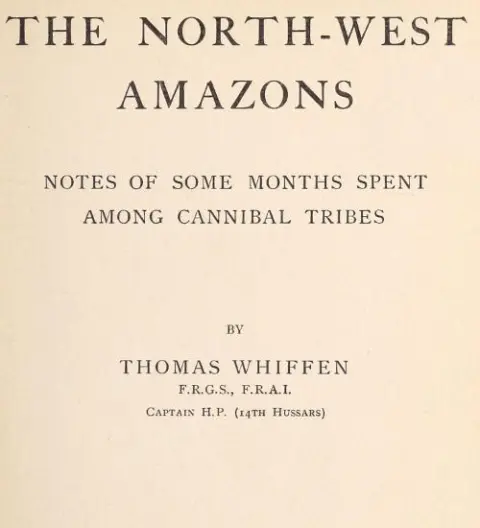
"The North-West Amazons: Notes of some months spent among cannibal tribes" by Thomas Whiffen is a historical account written in the early 20th century. The work details the author's months spent exploring the remote regions near the upper Amazon River, specifically focusing on the cannibal tribes and their cultures. Whiffen shares his observations of the tribes' customs, daily life, and interactions with nature, providing readers with an ethnographic glimpse into a largely untouched world. At the start of the narrative, Whiffen recounts his motivations for embarking on this journey following a period of unemployment due to ill health. He reflects on previous travel experiences and the influence of Dr. Alfred Russel Wallace's writings, which inspired him to explore the Amazon. Arriving in Manaos, he quickly realizes the challenges of accessing the interior and securing a reliable party, and the narrative unfolds with his detailed accounts of the difficulties faced in navigating the forest, river routes, and the dynamics with local tribes. The opening section sets the stage for an immersive exploration of the Amazonian wilderness and the indigenous peoples residing there, capturing both the allure and the difficulties of his expedition.
Introduction adapted from the source catalogue; source summaries may be automatically generated.
Free to read · English · 110,454 words · No account needed
MAKE TIME FOR A GOOD BOOK
On by default. Untick to stop anonymous reading totals. Each page counts after 10 seconds in view. How this works.
Anonymous counting is on unless you have switched it off.
Forest--
birds in, 26;
description of, 26-8;
depressing influence of, 14, 35-6, 265, 266;
lost in, 37;
noises in, 34;
silence of, 34;
tracks in, 28;
travellers’ danger in, 29;
travelling in, 14, 34-5, 37
Fruit, 104, 135, 136-7
Games, 157;
singing, 208-9;
toys, 93, 108, 156
Geophagy, 124-5
Hair, 274, 282, 285;
how worn, 77-8, 274
Hammocks, 55;
how slung, 47, 50;
made by women, 97-9;
Witoto, 54, 91
Hardenburg, W. E., 62, 88, 149, 163
Head hunters, 122
Houses--
private, 47-8, 161;
temporary, 47;
tribal--
Maloka, 40-52;
construction of, 43;
light in, 49, 186;
plan of, 41, 43, 45, 46;
sites of, 42, 118;
thatch of, 43-4
Hunting, 104, 107-9, 110;
rights, 112;
traps, 110-11.
See Weapons
Igarape Falls, 6
Implements--
household, earthenware, 133;
human bone, 123-4;
knives, 94;
pestle and mortar, 99, 141;
tools, 95, 214;
troughs, 99, 140-41
im Thurn, Sir Everard, 55, 76, 152, 239, 274
Indian--
beliefs, Chapter XVII.;
character, 4, 13, 61, 110, 156, 202, 236, 256-64, 275-6;
cruelty to infirm, 169-70, 257;
ethics, 65, 66, 68, 260-62;
kinship, 67, 244, 276;
life, 50, 236, 246, 276-7, 278;
origin not decadent remnants, 54, 264-6;
physical traits, 269, Appendices;
treachery, 4, 258, 259-60;
types, classification of, 53;
Neolithic, 94, 266;
voice, 207, 253-4;
woodcraft, 106-7
Indians, story of white, 240-41
Initiation, 157-8, 165;
dances, 197-9
Insects, 30, 52;
ants, 32, 33, 51, 97;
beetles, 82;
bees, 31, 51, 130;
butterflies and moths, 31-2;
flies, 30;
harvest boys, 31;
jiggers, 51, 173-4, 273;
lice, 130, 173, 273;
mosquito, 31, 51;
pium, 30-31, 51, 173;
sand-fly, 31;
spiders, 51;
ticks, 31, 273;
wasps, 31, 130
Joyce, Thomas A., 238
Jurupari, 229, 231.
See also Dances
Koch-Grünberg, Dr., 46-7, 60, 77, 111, 121, 151, 159, 175, 188, 194, 198, 247, 251, 262, 275, 282
Language, Chapter XIX.;
drum, 215-216, 253;
gesture, 251;
groups, 56, 57, 247
Manioc, 68, 104-5, 237-8;
cultivation of, 104-5, 131;
preparation of, 98-99, 131-4
Map--Witoto, 92-3
Markham, Sir Clements, 158
Marriage, 60-61, 66-7, 103, 159-67;
arrangement of, 158, 159-60, 161;
betrothal, 162;
ceremonies, 160-164;
fidelity in, 69, 166-7, 262
Medicine-man, 140, Chapter XIV., 273;
dress of, 73, 95, 183;
functions of, 151, 153, 168-9, 175, 185-6;
influence of, 64;
magic powers of, 172, 178, 179-81, 182, 183-4, 185, 186-7, 188-9,
224, 228, 232;
poison made by, 144, 178-9;
succession of, 181-2
Music, 207-8;
instruments, 210-17;
castanets, 213;
drums, 204, 210, 214-17;
signal drums, 192, 214-17, 253;
flutes, 123, 192, 194, 195, 197, 204, 210, 211-12;
pan-pipes, 192-3, 204, 210-211;
rattles, 83, 64, 194, 195, 210, 213-14;
trumpets, 211-12;
whistles, 194, 212;
Jurupari, 212-213
Names, 56, 244, 248;
boys’ and girls’, 153;
not mentioned, 57, 153-4, 220, 226-7, 280
Nery, Baron de Santa-Anna, 239
Ornaments, 76;
beaded garlands, 79-80, 81, 191;
beads, 79-80, 82-3, 213;
bracelets, 82-3, 213;
combs, 77-8;
earrings, 85, 86, 275;
feather head-dress, 75-6;
feathers, 76-7, 83, 85, 86, 191;
labret, 86;
necklaces, 81, 82, 192;
nose-pin, 86, 275;
paint, 87, 192;
scarification, 66;
tattoo, 86, 87
Orton, James, 279, 280, 281
Palms, 30;
Aeta, 26;
Astrocaryum, 30;
Chambiri, 97;
edible varieties, 137;
Iriartea ventricosa, 29
Poisons, 91, 111, 116-17, 168-9, 219, 259-260;
preparation of, 144-5, 179
Proverbs, 259-60
Rainfall, 22
Reptiles, 33;
anaconda, 184, 231;
boa-constrictor, 36;
frogs, 129;
iguana, 129;
lizard, 184;
snakes, 129;
fear of, 30
Rice, Hamilton, 97
Rivers, Dr. W. H. R., 237, 266
Rivers--
Acre, 11;
Aiary, 198;
Amazon, 17, 18, 20, 33;
fascination of, 17, 205;
scenery of, 25;
soil of basin, 24-5;
Apaporis, 10, 59;
Avio Parana, 7, 8;
black water streams, 19;
Fue, 6;
Igara Parana, 3, 4, 5, 6, 7, 18, 58;
description of, 20;
Ira, 58;
Issa, 5, 17, 19, 24, 31, 58, 173;
description of, 19, 22;
fish in, 131;
Issanna, 140;
Japura, 6, 8, 11, 12, 17, 18, 33, 58, 70, 73;
camp on, 5;
scenery, 22;
Kahuinari, 7, 11, 13, 31, 58;
description of, 22;
journey up, 5;
Kara Parana, 18, 21;
Kuemani, 58;
Miriti, 74;
Napo, 18, 24, 222;
houses on, 44;
trip up, 2;
Negro, 18, 19, 104, 222;
Papunya, 8, 20, 58;
Tapajos, 113;
Tauauru, 58;
Tikie, 61;
Uaupes, 18, 59, 91, 112;
black water, 19;
description of, 18-19;
houses on, 46;
proposed journey up, 1, 2, 13;
Wama, 58;
white water streams, 19
Robuchon, Eugene, 20, 31, 46, 65, 86, 88, 89, 99, 119, 122, 123, 163,
210, 270, 272;
deserted by carriers, 7, 8;
disappearance of, 5-12;
dog “Othello,” 7, 8, 10, 11;
last camp of, 9, 10;
last message from, 8;
previously lost, 11;
relief expedition, 8, 11;
survivors of, 6
Route, 2, 3, 5, 8, 9, 10, 13
Rubber--
Belt, 3, 4, 11, 40, 72, 80, 91, 101, 174, 257;
gatherers, 2, 3, 48, 63-4
Simson, Alfred, 243, 250
Slaves, 5, 69-70, 124, 170, 263, 273.
See Tribes, Maku
Snuff, 143, 179
Songs, 190, 196-7, 199-201, 206-10;
meaning of words lost, 190, 207-8
Spelling, 57, 248-9
Spines, 30, 35;
used for combs, 77
Your reading position is saved on this browser. Take it to another device with a library code. Reading pages adapt to text, rather than matching a printed edition.
BEHIND THE BOOK
This eBook is for the use of anyone anywhere in the United States and most other parts of the world at no cost and with almost no restrictions whatsoever. You may copy it, give it away or re-use it under the terms of the Project Gutenberg License included with this eBook or online at www.gutenberg.org. If you are not located in the United States, you will have to check the laws of the country where you are located before using this eBook. Read the source licence.
The original source file, including credits and licence, is retained by this library. Request an original-format copy at no charge. Please include the book title and Project Gutenberg identifier #55540.
KEEP YOUR CURIOSITY GOING
Wilfrid Scawen Blunt
Wilfrid Scawen Blunt

E. W. (Edgar Watson) Howe
Cécile Tormay

Moritz Busch
John L. Ransom