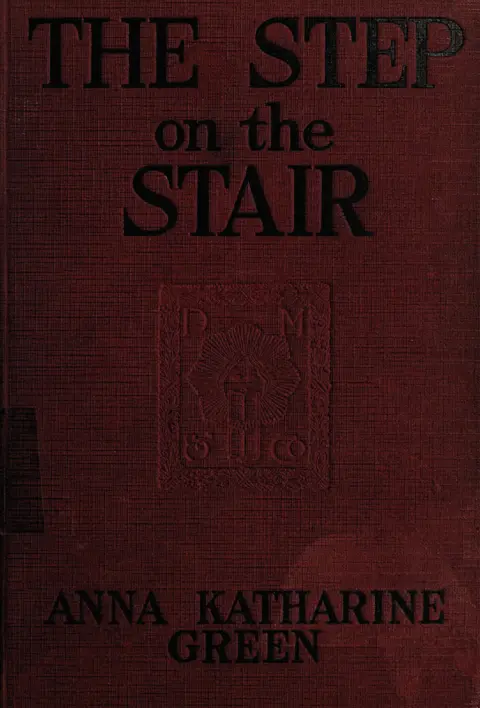
The step on the stair
Anna Katharine Green
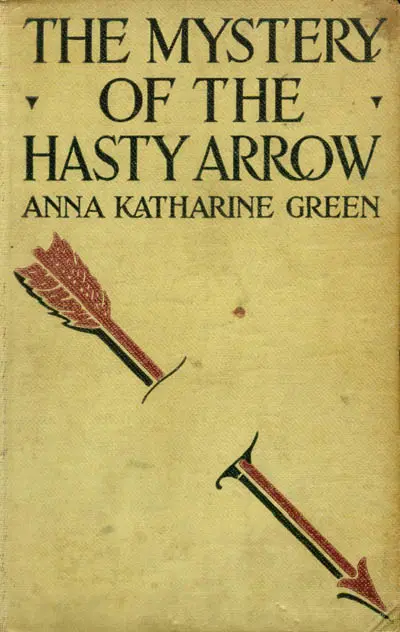
THE CLASSIC COLLECTION · 1917
"The Mystery of the Hasty Arrow" by Anna Katharine Green is a detective novel written in the early 20th century. The story centers around a tragic incident that unfolds in a museum, where a young girl is found dead with an arrow in her breast, creating a mystery that captivates both the museum staff and the police. The plot follows the attempts of detective Mr. Gryce as he tries to uncover the truth behind the girl's death and the circumstances surrounding it. The opening of the novel reveals a scene filled with shock and tension as museum visitors witness the aftermath of the girl's tragic fall. The atmosphere is chilling as attendees rush to understand the situation. Among those present is Ermentrude Taylor, a remarkable woman who becomes a key figure in the unfolding mystery. The narrative introduces the complex emotions surrounding the incident and hints at a potential crime, with various characters already drawn into the web of intrigue as the detective begins his investigation. The initial chapters set the stage for a compelling whodunit, drawing readers into a world of suspense, emotional turmoil, and the quest for justice.
Introduction adapted from the source catalogue; source summaries may be automatically generated.
Free to read · English · 93,300 words · No account needed
MAKE TIME FOR A GOOD BOOK
On by default. Untick to stop anonymous reading totals. Each page counts after 10 seconds in view. How this works.
Anonymous counting is on unless you have switched it off.
Taking from a small portfolio which he carried another photograph, unmounted this time and evidently the work of an amateur, he laid it out before them. The silence with which his last statement had been received, the kind of silence which covers emotions too deep for audible expression, remained unbroken save for an involuntary murmur or so, as the District Attorney and his assistant bent over this crude presentation of something--they hardly knew what--which this old but long trusted detective was offering them in substantiation of the well-nigh unbelievable statement he had just made.
"This, gentlemen," he went on, as he pointed to the following, "is the copy of a label pasted on the back of a certain Swiss clock to be seen at this very moment on the wall of Mr. Roberts' own bedroom in his home in Belport, Long Island. He prizes this clock. He has been heard to say that it goes where he goes and stays where he stays, and as it is far from a valuable one either from intrinsic worth or from any accuracy it displays in keeping time, the reason for this partiality must lie in old associations and the memories they invoke. A love token. Can you not see that it is such from the couplet scrawled across it? If not, just take a look at the initials appended to that couplet. May I ask you to read them?"
The District Attorney stooped, adjusted his glasses and slowly read out:
"Carleton Clifton Roberts," explained Mr. Gryce. Then slowly, "The other two if you will be so good."
"Ermentrude Taylor," declared the inexorable voice. "And written by herself. Here is her signature which I have obtained; and here is his. Compare them at your leisure with their initials inscribed according to the date there, sixteen years or more ago. Now where were these two--this man and this woman--at the time just designated? Alone, or together? Let us see if we can find out," pursued the detective with a quiet ignoring of the effect he had produced, which revealed him as the master of a situation probably as difficult and disconcerting as the three officials hanging in manifest anxiety upon his words had ever been called upon to face. "Mr. Roberts was in Switzerland, as his housekeeper will be obliged to admit on oath, she being an honest woman and a domestic in his mother's house at the time. And Ermentrude Taylor! I have a witness to prove where she was also! A witness I should be glad to have you interrogate. Here is her name and address." And he slipped a small scrap of paper into the District Attorney's hand. "What she will say is this, for I think I have very thoroughly sounded her: First, that she is Mrs. Taylor's most intimate friend. This is conceded by all who know her. Secondly, that while her intimacy does not extend back to their girlhood days--Mrs. Taylor being an Englishwoman by birth and remarkably reticent as to her former life and experiences--she has one story to tell of that time which answers the question I have given you. She got it from Mrs. Taylor herself, and in this manner. They were engaged in talking one day about our Western mountains and the grandeur of scenery generally, when Mrs. Taylor let fall some remark about the Alps, which led this friend of hers to ask if she had ever seen them. Mrs. Taylor answered in the affirmative, but with such embarrassment and abrupt change of subject that it was plainly apparent she had no wish to discuss it. Indeed, her abruptness was so marked and her show of trouble so great, she was herself disturbed by what might very easily give offense, and being of a kindly, even loving disposition, took occasion when next they met to explain that it was as a girl she had visited Switzerland, and that her experiences there had been so unfortunate that any allusion which recalled those days distressed her. This is all that ever passed between these two on this subject, but is it not enough when we read this couplet, and mark the combined initials, and recognize them as those of Carleton Roberts and Ermentrude Taylor? But lest you should doubt even this evidence of an old-time friendship so intimate that it has almost the look of a betrothal, I must add one more item of corroborative fact which came to me as late as last night. In a moment of partial consciousness, while the nurse hung over her bed, Mrs. Taylor spoke her first coherent sentence since she fell into a state demanding medical assistance. And what was that sentence? A repetition of this couplet, gentlemen, spoken not once but over and over again, till even the nurse grew tired of listening to it.
Your reading position is saved on this browser. Take it to another device with a library code. Reading pages adapt to text, rather than matching a printed edition.
Anna Katharine Green

Anna Katharine Green
Anna Katharine Green
Anna Katharine Green
BEHIND THE BOOK
This eBook is for the use of anyone anywhere in the United States and most other parts of the world at no cost and with almost no restrictions whatsoever. You may copy it, give it away or re-use it under the terms of the Project Gutenberg License included with this eBook or online at www.gutenberg.org. If you are not located in the United States, you will have to check the laws of the country where you are located before using this eBook. Read the source licence.
The original source file, including credits and licence, is retained by this library. Request an original-format copy at no charge. Please include the book title and Project Gutenberg identifier #17763.
KEEP YOUR CURIOSITY GOING
Coulson Kernahan

Maurice Baring
Frances Wright
Cécile Tormay

Frederic Jesup Stimson

W. H. P. (William Henry Pope) Jarvis