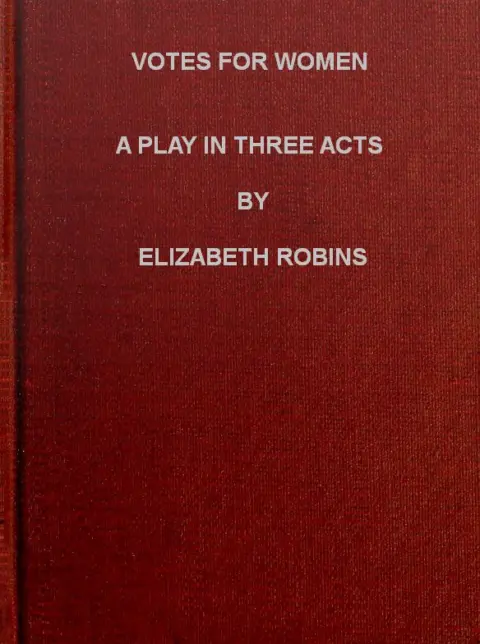
Votes for Women: A Play in Three Acts
Elizabeth Robins
THE CLASSIC COLLECTION · 1904
"The Magnetic North" by Elizabeth Robins is a novel written in the early 20th century. It follows a group of adventurous men as they navigate the treacherous terrain of the Yukon during the Klondike gold rush. The main characters include a Denver bank clerk, an ex-schoolmaster, an Irish-American lawyer, a seasoned Kentucky Colonel, and a young man known simply as the Boy, who come together in the harsh wilderness to search for fortune and survival. The opening of the novel introduces the reader to the dire circumstances the group faces as they attempt to make their way northward but are ultimately forced to winter at a desolate camp on the Yukon River. As they contend with the elements and each other, the narrative hints at conflicts of character, survival instincts, and the dynamic between the seasoned and inexperienced members of the party. The isolation and the relentless wilderness set the stage for both physical and psychological challenges, foreshadowing the trials they will endure throughout their journey.
Introduction adapted from the source catalogue; source summaries may be automatically generated.
Free to read · English · 151,879 words · No account needed
MAKE TIME FOR A GOOD BOOK
On by default. Untick to stop anonymous reading totals. Each page counts after 10 seconds in view. How this works.
Anonymous counting is on unless you have switched it off.
"Well," said the Colonel, severely, "you've had a Blow-Out if nobody
else has!"
"Feel better?" inquired Potts, tenderly.
"Now, Mac, you shall have a fair field," said the Colonel, "and if the Boy opens his trap again--"
"I'll punch 'im," promised O'Flynn, replenishing the disturber's cup.
But Mac wouldn't be drawn. Besides, he was feeding Kaviak. So the Colonel filled in the breach with "My old Kentucky Home," which he sang with much feeling, if not great art.
This performance restored harmony and a gentle reflectiveness.
Father Wills told about his journey up here ten years before and of a further expedition he'd once made far north to the Koyukuk.
"But Nicholas knows more about the native life and legends than anyone I ever met, except, of course, Yagorsha."
"Who's Yag----?" began the Boy.
"Oh, that's the Village Story-teller." He was about to speak of something else, but, lifting his eyes, he caught Mac's sudden glance of grudging attention. The priest looked away, and went on: "There's a story-teller in every settlement. He has always been a great figure in the native life, I believe, but now more than ever."
"Why's that?"
"Oh, battles are over and blood-feuds are done, but the need for a story-teller abides. In most villages he is a bigger man than the chief--they're all 'ol' chiefs,' the few that are left--and when they die there will be no more. So the tribal story-teller comes to be the most important character"--the Jesuit smiled in that shrewd and gentle way of his--"that is, of course, after the Shamán, as the Russians call him, the medicine-man, who is a teller of stories, too, in his more circumscribed fashion. But it's the Story-teller who helps his people through the long winter--helps them to face the terrible new enemies, epidemic disease and famine. He has always been their best defence against that age-old dread they all have of the dark. Yes, no one better able to send such foes flying than Yagorsha of Pymeut. Still, Nicholas is a good second." The Prince of Pymeut shook his head.
"Tell them 'The White Crow's Last Flight,'" urged the priest.
But Nicholas was not in the vein, and when they all urged him overmuch, he, in self-defence, pulled a knife out of his pocket and a bit of walrus ivory about the size of his thumb, and fell to carving.
"What you makin'?"
"Button," says Nicholas; "me heap hurry get him done."
"It looks more like a bird than a button," remarked the Boy.
"Him bird--him button," replied the imperturbable one.
Your reading position is saved on this browser. Take it to another device with a library code. Reading pages adapt to text, rather than matching a printed edition.
Elizabeth Robins
Elizabeth Robins
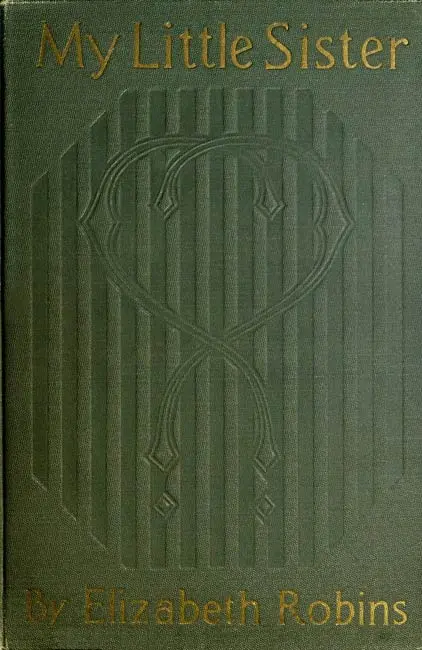
Elizabeth Robins
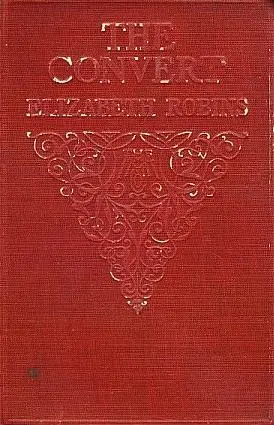
Elizabeth Robins
BEHIND THE BOOK
This eBook is for the use of anyone anywhere in the United States and most other parts of the world at no cost and with almost no restrictions whatsoever. You may copy it, give it away or re-use it under the terms of the Project Gutenberg License included with this eBook or online at www.gutenberg.org. If you are not located in the United States, you will have to check the laws of the country where you are located before using this eBook. Read the source licence.
The original source file, including credits and licence, is retained by this library. Request an original-format copy at no charge. Please include the book title and Project Gutenberg identifier #10038.
KEEP YOUR CURIOSITY GOING
Coulson Kernahan

Maurice Baring
Frances Wright
Cécile Tormay

Frederic Jesup Stimson

W. H. P. (William Henry Pope) Jarvis