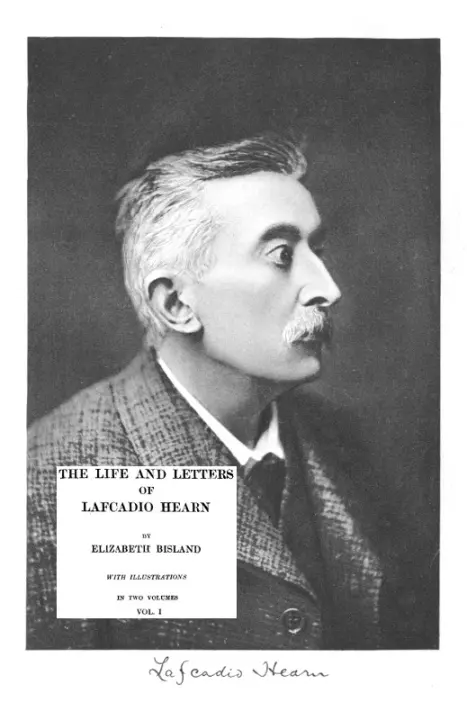
The Life and Letters of Lafcadio Hearn, Volume 1
Elizabeth Bisland
THE CLASSIC COLLECTION · 1906
"The Life and Letters of Lafcadio Hearn, Volume 2" by Elizabeth Bisland is a collection of correspondence written in the early 20th century. This volume delves into the experiences and reflections of Lafcadio Hearn, a notable writer and translator renowned for his writings on Japan. The letters provide insight into his life, thoughts on Japanese culture, and his deep admiration for the country and its people. At the start of the volume, the reader is introduced to Hearn's expressive and passionate writing style through various letters addressed to friends and colleagues. He shares his feelings about Japan's beauty and cultural nuances, discussing the spirituality of its nature and simplicity of its people. Hearn confides his struggles with finding employment, his dedication to studying Buddhism, and his deep desire to immerse himself in Japanese life through teaching and cultural exploration. Together, these letters reveal both his personal challenges and his heartfelt connection to Japan, setting the tone for a rich exploration of his literary journey.
Introduction adapted from the source catalogue; source summaries may be automatically generated.
Free to read · English · 144,751 words · No account needed
MAKE TIME FOR A GOOD BOOK
On by default. Untick to stop anonymous reading totals. Each page counts after 10 seconds in view. How this works.
Anonymous counting is on unless you have switched it off.
Greeks, Hearn's love of the mythology of, I: 26, 27, 28, 31;
chastity of, 219, 220;
sculpture of, 227;
legends of, 227, 228;
poetry of, II: 520.
Griffith, Ralph Thomas Hotchkin, his translation of the Ramayana,
I: 402.
Griots, music of, I: 354, 355, 356, 377.
Grueling, ----, I: 282.
Guiana, British, Hearn's visit to, I: 97;
a mocking-bird of, 357, 358.
Gulf of Mexico, Creole archipelagoes of, I: 333;
bathing in, 341.
Gulistan, Saadi's, I: 280.
Hadramaut, I: 356.
Hadrian, Roman emperor, I: 328.
Hahaki, ancient name of modern Hōki, II: 58.
Halévy, Ludovic, II: 395.
Hall, Dr., II: 347, 348, 350, 374, 389, 405, 422, 428, 429.
Handwriting, Hearn's efforts to read character from, I: 340, 349.
Harper, Hearn's recollections of a Welsh, I: 13-15.
Harper and Brothers, their commissions to Hearn, I: 97, 102;
Hearn severs his contracts with, 109;
his series of Southern sketches for, 268;
their encouragement to Hearn, 338.
Harper's Magazine, Hearn's contributions to, I: 381.
Harps, of the Nyam-Nyams, I: 310.
Harris, Joel Chandler, I: 337.
Harris, Mrs. Lylie, I: 80.
Hart, Jerome A., his first acquaintance with Hearn, I: 80;
letters from Hearn to, 244-250.
Harte, Francis Bret, II: 41.
Hartmann, Eduard, II: 235.
Hartmann, Robert, I: 297;
his studies of African music, 353, 354.
Hastings, Warren, I: 160.
Hastings, battle of, I: 191.
Hat, highest evolution of, I: 94.
Hatakeyama, Yuko, story of, II: 142, 181, 268, 269;
monument to, 277.
Hauck, Minnie, I: 201.
Havana, Cuba, music of, I: 202.
Health, influence of, on spiritual life, II: 34, 35.
Hearn, Surgeon-Major Charles Bush, father of Lafcadio, I: 5, 6, 9,
429;
opposition to his marriage, 6;
his elopement, 7;
his return to Dublin, 7;
his separation from his wife, 7, 8, 8n.;
his second marriage, 8.
Hearn, Elizabeth (Holmes), grandmother of Lafcadio, I: 6.
Hearn, James, brother of Lafcadio, I: 7;
letter from Hearn to, 9-11.
Hearn, Lafcadio, a native of Santa Maura, I: 3, 7, 429;
influence of the place upon, 4, 5;
his ancestry, 5, 6;
removes to Wales, 8, 12;
effect of domestic conditions upon, 8, 9;
his memory of his mother, 9, 10, 11;
of his father, 11;
his youthful characteristics, 15;
autobiographical fragments left by, 15-32, 37-39, 41-45, 45-49, 100,
101, 159, 160;
his interest in the weird, 15, 16, 17, 18;
his experience with "Cousin Jane," 18-25;
his love of beauty, 29, 32, 148;
his early religious instruction, 16, 17, 19, 20, 32, 33;
his interest in mythology, 26, 27, 28, 31;
his education, 34, 34n., 35, 36;
becomes blind in one eye, 35, 36, 429;
his poverty, 36, 37, 40, 100, 102;
goes to New York, 39, 40;
an incident of his early New York life, 42-45;
goes to Cincinnati, 45, 49;
an incident of the journey, 46-49;
becomes type-setter, proof-reader, private secretary, 50;
his work on the Cincinnati Enquirer, 50-52, 53;
on Ye Giglampz, 52, 53;
character of his newspaper work, 55;
his friendships, 55-59;
his admiration for Spencer, 58, 85, 86, 365, 374, 375, 392, 394,
430, 431, 438, 459; II: 20, 26, 44, 221, 222;
for Gautier, I: 61, 82, 394, 430, 431; II: 44, 221, 222;
goes to New Orleans, I: 65, 66, 67;
his letters to Krehbiel, 67;
his work in New Orleans, 68, 72, 73, 167, 176, 197, 280, 363;
his investments, 69, 198, 199, 230, 336; II: 353;
his library, I: 70, 278, 283, 290, 314, 336, 339, 350, 352, 364;
II: 305, 308;
his associates on the Times-Democrat, I: 70, 71;
his personal appearance and characteristics, 77-80, 428; II: 466;
his visit to Grande Isle, I: 87-95;
his visits to and descriptions of the French West Indies, 97, 98,
100, 101, 409-419, 422-424;
goes to Japan, 102;
his early impressions of Japan, 103, 104, 107-109, 115; II: 35;
his love of the tropics, I: 105, 415, 420, 425, 449, 469; II: 64,
211, 213, 217, 281;
his work for Japan, I: 106; II: 281;
severs contracts with his publishers, I: 109; II: 4;
his friendship with M. McDonald, I: 109, 110, 153; II: 107;
his work at Matsue, I: 110-113; II: 16, 30, 43, 46;
his kindness of heart, I: 114, 118;
his marriage, 116, 117; II: 44, 60;
his visits to Kizuki, I: 115, 122; II: 7-11, 43;
his Japanese name, I: 117; II: 270, 292, 293, 299;
his obligations as a Japanese citizen, I: 117, 136; II: 44, 64, 81,
158, 191, 265, 270, 278, 279, 298;
his household pets, I: 117, 118, 119; II: 460;
his popularity, I: 119, 120;
his disregard of money, 122, 148, 336;
his dislike of forms and restraints, 122, 123, 148;
his study of Japanese with his wife, 123, 124;
his appointment at Kumamoto, 124; II: 63, 65;
his life and work there, I: 125-128; II: 93, 94, 100, 102, 103, 110;
birth of his first child, I: 127; II: 115, 116, 128, 149, 150, 156;
enters the service of the Kōbe Chronicle, I: 128, 129;
his growing indifference to externals, 129-131, 137; II: 194, 195;
his mastery of English, I: 132;
facsimile of a first draft of his MS., 133, 134;
goes to the University of Tōkyō, 136-138, 283;
his methods of writing, 140, 141, 239, 373, 391; II: 89, 272, 273,
396;
his private life in Tōkyō, I: 141-152; II: 295, 309;
gives up his professorship, I: 154; II: 368, 490, 493;
lectures at Cornell proposed and abandoned, I: 154; II: 487, 488,
490, 492, 495;
accepts chair of English in Waseda University, I: 156;
lectures in London and Oxford proposed, 156;
his death, 156;
buried according to Buddhist rites, 157-159;
tributes to, 158, 159;
his interest in primitive music, 165-167, 190, 231, 330, 339, 353,
354, 358-360, 380, 411; II: 15;
effect of Southern climate upon, I: 169, 170, 177, 195, 196, 288,
319, 421, 422, 423, 424, 425, 427, 440, 445;
descriptions of his home in New Orleans, 172-174, 196, 222;
his interest in gipsies, 201, 202, 205, 206;
his fantastics, 220, 221, 226, 230, 231, 278;
his proposed series of French translations, 252, 362, 363;
of Oriental stories, 278, 295;
of musical legends, 286;
of strange facts, 298;
of Arabesque studies, 321, 328, 331, 396, 403;
of legends of strange faiths, 328;
his ambition regarding his style, 276, 324, 364, 374, 379, 383, 393;
II: 359;
his dread of cold, I: 279, 298, 379, 448; II: 188, 211;
his pursuit of the odd, I: 290, 291, 294;
change in his literary inclinations, 293, 294;
his desire to travel, 294, 295, 398, 424; II: 351;
his outline of an imaginary series of musical volumes, I: 299-304,
309;
his use of classic English literature, 328;
his ignorance of modern history, 329;
his visits to the Gulf archipelagoes, 333;
his study of Spanish, 334;
thinks of studying medicine, 338;
his desire to write fiction, 338, 339, 350, 352, 371, 372, 375, 430;
II: 246, 341, 342, 348, 349, 378;
his visit to Florida, I: 341;
his health, 344, 348, 366, 367, 371, 406, 407; II: 14, 24, 25, 67,
73, 74, 129, 196, 197, 280, 292, 303, 304, 490, 493, 495, 506;
result of his study of comparative mythology, I: 345;
his admiration for Viaud (P. Loti), 377, 378, 396, 427, 452, 453;
his efforts to learn Chinese, 404;
his dread of New York, 405; II: 182, 476, 484;
his desire to return to America, II: 4, 175, 176, 202, 203, 473,
474,475, 476, 477, 480-482, 484, 490, 493, 496, 497, 498, 499,
504, 505;
translations of his books, 22, 466, 467, 468, 469, 472, 473, 485;
finds literary work in Japan difficult, 35, 60, 63, 89;
his attitude toward missionaries, 44, 45, 68, 109, 110, 311, 442;
his legal seal, 46;
difficulties of his position in Japan, 107-110, 175, 202, 252, 348,
490, 493, 497;
his project for a book with B. H. Chamberlain, 129;
his dislike of New Japan, 154, 161;
his method of teaching, 159, 160;
his literary success, 193, 277, 296, 297, 398;
his dissatisfaction with his work, 246, 277, 286, 333, 356, 375,
377, 380;
criticisms of his work, 256, 257, 377, 466, 490;
dislike of women for, 265;
his work at the University of Tōkyō, 283, 298, 305, 306, 310,
311, 314, 327, 328, 357, 427, 429, 444, 481, 482, 486, 487;
his ignorance of every-day life, 340, 341, 399;
a manuscript history of his eccentricities, 350;
his avoidance of foreigners, 395, 397, 406, 456, 457;
forces arrayed against, 404, 405, 493, 494, 496;
his nose, 408;
necessary conditions of work for, 412-114, 424, 451, 452;
his method of teaching, 481, 486, 487;
protests against his treatment in Tōkyō, 490, 493, 506;
profits from his books, 491;
birth of a daughter to, 506.
Writings:
Chita, I: 69, 86, 101, 371, 378, 393, 394, 396, 403, 404, 405, 411,
422, 430, 451;
first form of, 96;
actual incidents related in, 96, 97, 426, 427;
success of, 96, 97;
criticisms of, 98, 99, 445.
Dead Love, A, I: 74-76.
Dream of a Summer Day, quoted, I: 4, 5.
Exotics and Retrospectives, I: 139; II: 333, 401, 429;
translations of, 467.
Gleanings in Buddha-Fields, I: 129, 131, 139; II: 466, 471.
Glimpses of Unfamiliar Japan II: 217, 270, 356, 359;
quoted I: 103, 111-113, 114, 115, 124, 125;
criticisms of, II: 187, 198, 209, 223;
translations of, 467, 468.
Gombo Zhêbes, a dictionary of Creole Proverbs, I: 83, 278, 295,
335, 346.
Idolatry, quoted, I: 26-32.
Illusion, an autobiographical fragment, I: 159, 160.
In Ghostly Japan, I:139; II: 409, 411, 445.
In Vanished Light, an autobiographical fragment, I: 100, 101.
Intuition, an autobiographical fragment, I: 41-45.
Japan: an Interpretation, I: 115, 141, 155, 156; II: 499, 504,
505, 506, 514, 515.
A Japanese Miscellany, I: 140; II: 513.
Jiujutsu, I: 126.
Juvenilia (proposed), II: 500.
Kokoro, I: 129, 131; II: 193, 279, 289, 299, 300, 359, 471.
Kotto, I: 140, 146; II: 501.
Kwaidan, I: 141;
quoted, 12, 156, 157.
Mountain of Skulls, II: 383.
My First Romance, an autobiographical fragment, I: 45-49.
My Guardian Angel, an autobiographical fragment, I: 16-25.
Naked Poetry, his lecture on, I: 137;
text of, as taken down by T. Ochiai, II: 519-529.
Notebook of an Impressionist (proposed), I: 364, 383.
Out of the East, I: 127; II: 360;
quoted, I: 107, 108, 125, 126, 209;
impression made by, in England, II: 193;
its title, 212.
Pipes of Hameline, I: 274.
Rabyah's Last Ride, I: 388, 389, 396.
Retrospectives. See Exotics and Retrospectives.
Romance of the Milky Way, I: 159.
Shadowings, I: 140.
Some Chinese Ghosts, II: 43, 367, 469;
dedication of, I: 60, 371;
characteristics of, 61, 73, 381, 388, 389, 405;
difficulties regarding publication of, 83-85, 364, 370, 371,
375, 378;
reception of, 407.
Stars, an autobiographical fragment, I: 37-39.
Stray Leaves from Strange Literature, I: 73, 83, 335, 340, 344,
346, 371, 376.
Torn Letters, afterward expanded into Chita, I: 96, 333.
Two Years in the French West Indies, I: 98, 102;
criticisms of, 98, 99;
his difficulties in writing it, II: 58.
With Kyūshū Students, I: 126.
Youma, II: 347, 466.
Translations:
Flaubert's Tentation de Saint Antoine, I: 247, 249, 278.
France's Crime de Sylvestre Bonnard, I: 102; II: 347, 348.
Gautier's Une nuit de Cléopâtre, etc., I: 61, 62, 73, 213, 245,
269, 275, 376, 396, 442, 443;
estimates of, 80-82, 248, 268, 276.
Your reading position is saved on this browser. Take it to another device with a library code. Reading pages adapt to text, rather than matching a printed edition.
BEHIND THE BOOK
This eBook is for the use of anyone anywhere in the United States and most other parts of the world at no cost and with almost no restrictions whatsoever. You may copy it, give it away or re-use it under the terms of the Project Gutenberg License included with this eBook or online at www.gutenberg.org. If you are not located in the United States, you will have to check the laws of the country where you are located before using this eBook. Read the source licence.
The original source file, including credits and licence, is retained by this library. Request an original-format copy at no charge. Please include the book title and Project Gutenberg identifier #42313.
KEEP YOUR CURIOSITY GOING

David Patterson (Spirit) Hatch

David Patterson (Spirit) Hatch

David Patterson (Spirit) Hatch
John L. Ransom

Ralph Waldo Emerson

Maurice Baring