THE CLASSIC COLLECTION✦The letters of Queen Victoria, vol. 2, 1844-1853CLASSIC FREE BOOKS
The letters of Queen Victoria, vol. 2, 1844-1853
Queen of Great Britain Victoria
THE CLASSIC COLLECTION · 1907
"The Letters of Queen Victoria: A Selection from Her Majesty's Correspondence" edited by Arthur Christopher Benson and Viscount Esher is a collection of historical letters written during the mid-19th century. This volume focuses on Queen Victoria's correspondence between the years 1854 and 1861, providing insight into her thoughts and emotions during significant events in British history, including the Crimean War and the political landscape of the time. The letters reveal the Queen's perspectives on her family, her government, and the geopolitical challenges facing Britain. At the start of the collection, the reader is presented with a correspondence that discusses the rising tensions leading to the Crimean War. Queen Victoria expresses concern over the press's attacks on her husband, Prince Albert, and reflects on the complexities of diplomacy with European powers. The opening letters highlight her sentiments regarding the state of affairs in the East, her thoughts on the necessity of military action, and her wish for peace amidst the looming conflict. This initial glimpse into her correspondence sets the tone for a blend of personal reflections and the weight of royal duty, as the Queen navigates her role during a period of turmoil and change.
Introduction adapted from the source catalogue; source summaries may be automatically generated.
Free to read · English · 230,702 words · No account needed
MAKE TIME FOR A GOOD BOOK
On by default. Untick to stop anonymous reading totals. Each page counts after 10 seconds in view. How this works.
Anonymous counting is on unless you have switched it off.
Victoire, Princess, of Saxe-Coburg, i. 149;
marriage to Duc de Nemours, i. 213;
flight from France, ii. 155, 167, 176, 177;
visits Queen Victoria, ii. 184, 185
Victor Emmanuel, King of Sardinia, ii. 208, 218;
visit to England, iii. 64, 156;
joins the Western Alliance, iii. 66;
rumoured conversation with Louis Napoleon, iii. 168;
proposed marriage, iii. 207;
war with Austria, entry into Milan, and conclusion of peace,
iii. 308;
and the Pope, iii. 311;
cession of Savoy and Nice, iii. 385;
war with Austria, iii. 386;
as King of Italy, iii. 420
Victoria, Queen, ancestry of, i. 1-7;
political position of, i. 17;
memoir of her early years, i. 18-21;
relations and friends, i. 22-26;
close correspondence and relationship with King Leopold, i. 23;
formation of her character, i. 22-26;
interesting points in her correspondence, i. 27-29
1819 Born 24th May at Kensington Palace, i. 8
1819-1826 Reminiscences of early childhood, written by herself,
i. 10-14
1824 Miss Lehzen becomes her governess, i. 25
1826 Visits George IV. at Windsor, i. 11-13;
serious illness, i. 13, 14
1827 Visits George IV. at Windsor, i. 13
1828 First letter to Prince Leopold, i. 32
1830 Duchess of Kent's memo, on education, i. 14-16;
June, George IV. died and William IV. succeeded, i. 19;
Duchess of Northumberland appointed official governess, i. 25
1832 King Leopold on the necessity of forming her character, i. 35
1834 Visits Hever Castle, i. 37;
reading and studies, i. 37-40
1835 Confirmation, i. 41
1836 Painful scene between the Duchess of Kent and William IV.,
i. 19;
possible suitors, i. 47, 48;
admiration for Prince Albert, i. 48, 49, 50;
visits Lord Liverpool at Buxted Park, i. 50;
Church matters, i. 52; 72;
change of name discussed, i. 55
1837 Music with Prince Albert, i. 59;
her establishment, i. 64, 68;
William IV. offers her an independent income, i. 68;
24th May--attains her majority, i. 69;
accession imminent, i. 71;
reliance on Lord Melbourne, i. 72;
20th June--death of William IV.: Queen Victoria's accession,
i. 75;
reminiscences of events on the King's death, i. 75;
address of condolence and congratulation, i. 77;
her nationality, i. 78;
her Ministers, i. 79;
13th July--goes to Buckingham Palace, i. 84;
17th July--prorogues Parliament, i. 86;
singing lessons, i. 89;
the elections, i. 89;
King Leopold's visit to Windsor Castle, i. 91;
visit to Brighton, i. 92;
goes to the House of Lords and gives her assent to the Civil List Bill,
i. 97
1838 Prince Albert's education, i. 111;
distress at death of Louisa Louis, i. 111, 112;
deaths of old servants, i. 112;
arrangements for the Coronation, i. 113, 114;
draft letter to the King of Portugal on Slave Trade, i. 115;
brilliant ball, i. 115;
28th June--Coronation Day, Queen's reminiscences of, i. 120-125;
9th July--Coronation Review in Hyde Park, i. 126;
at Windsor Castle, i. 130
at Brighton, i. 140;
1839 Death of Princess Marie of Orleans, i. 144;
opens Parliament, i. 146;
disagreement with King Leopold, i. 151-154;
Prince Albert's tour in Italy, i. 152;
resignation of Lord Melbourne, i. 154;
audience with Duke of Wellington and Sir R. Peel, i. 157-159;
refusal to allow Sir R. Peel to appoint Ladies of her Household,
i. 161-169;
Lord Melbourne's return to office, i. 170;
ball at Buckingham Palace, i. 172;
views on Cabinet crisis, i. 174;
feelings for Prince Albert, i. 177, 178;
at the Opera, i. 178;
arrival of Princes Albert and Ernest at Windsor Castle, i, 188;
announcement of her engagement to Prince Albert, i. 188, 189;
her happiness, i. 191;
her letters to the Royal Family, i. 193, 194;
letters to Prince Albert, i. 195, 196, 199, 200, 203, 206, 208,
211-213, 217;
reads Declaration before the Privy Council, i. 196;
suggested peerage for Prince Albert, i. 196-199;
Prince Albert's Household, i. 200-207
1840 Queen opens Parliament and announces intended marriage, i. 212;
Prince Albert's grant, i. 214;
marriage of the Queen to Prince Albert, i. 209, 217;
disturbance at the Opera, i. 220;
Prince Albert and politics, i. 224;
attempted assassination by Oxford, i. 225;
views on foreign affairs, i. 248, 249;
birth of Princess Royal, i. 251
1841 Christening of Princess Royal, i. 255;
speech from the Throne, i. 256, 257;
operations in China, i. 261, 262;
the Budget, i. 265;
Household appointment difficulties, i. 268-273;
impartiality, i. 285;
visit to Ascot and Nuneham, i. 291;
visit to Woburn Abbey, i. 295, 296;
carriage accident, i. 298;
resignation of Whig Ministry, i. 301;
Prince Albert as adviser, i. 304, 305;
interview with Sir R. Peel and sorrow at parting with Lord
Melbourne, i. 309;
seals of office exchanged, i. 315;
question of future correspondence with Lord Melbourne, i. 330,
331, 340, 353, 360, 361;
indisposition, i. 364;
birth of first son, now King Edward VII., i. 364;
he is created Prince of Wales, i. 366;
domestic happiness, i. 366
1842 Christening of the Prince of Wales, i. 376, 381;
visit to Brighton, i. 383;
excursion to Portsmouth, i. 384;
decision to pay Income Tax, i. 387;
selection of a governess, i. 390, 394;
ball at Buckingham Palace, i. 392, 393;
attempt by Francis on the Queen's life, i. 398;
Ascot and review of cavalry, i. 401;
first railway journey, i. 404;
list of presents sent by the Imam of Muscat, i. 406;
attempt by Bean on the Queen's life, i. 407;
death of the Duke of Orleans, i. 408, 409, 413, 416;
strike riots, i, 422-428;
prorogues Parliament, i. 425;
visit to Scotland, i. 428, 429;
return to Windsor, i. 430;
steam yacht, i. 432;
domestic happiness, i. 436;
visit to Walmer Castle, i. 436, 438, 443;
King of Hanover's claim to Crown jewels, i. 439, 487;
and France, i. 445, 446
1843 Gaieties at Windsor, i. 451;
visit and recollections of Claremont, i. 451;
education of Prince of Wales, i. 463;
domestic happiness, i. 464;
new chapel at Buckingham Palace, i. 466;
views on the verdict, not guilty but insane, in Macnaghten trial,
i. 469;
Prince Consort to hold levees for the Queen, i. 470, 471, 472, 473;
the toast of the Prince, i. 475;
birth and christening of Princess Alice, i. 480, 481;
Turnpike riots in South Wales, i. 483, 492;
resignation of the Duchess of Norfolk as Bedchamber Woman and
successor, i. 484, 485, 486;
suppression of duelling, i. 485;
the Crown jewels, i. 487;
visit to the King and Queen of France at Chateau d'Eu, i. 490;
visit to Belgium, i. 492;
visit to Cambridge, Wimpole, and Bourne, i. 496, 497, 500, 503;
visit to Sir R. Peel at Drayton Manor, i. 504, 509;
visit of Prince Consort to Birmingham, i. 507, 509, 510;
visit to Belvoir Castle and Chatsworth, i. 509, 510
1844 Opens the new Royal Exchange, ii. 1, 27;
visit to Claremont, ii. 4, 5;
carriage accident, ii. 5;
death of the Duke of Saxe-Coburg Gotha, ii. 6;
brochure of Prince de Joinville, ii. 11;
visit of the Emperor Nicholas of Russia, ii. 1, 12-16, 17, 20;
domestic happiness, ii. 6, 7;
uncle and niece, ii. 10;
review in Windsor Great Park, and Ascot races, ii. 13;
visit of King Louis Philippe, ii. 21, 27
1845 Spanish marriage question, ii. 32, 44;
state of Buckingham Palace, ii. 33;
question as to Prince Albert's title, ii. 34;
sponsor to Sir R. Peel's grandson, ii. 35;
Queen's purchase of Osborne, ii. 35, 42;
Low Church bigotry, ii. 37;
King Leopold's birthday letter, ii. 39;
visit of the King of Holland, ii. 42;
on the Queen's absences from England, ii. 43;
visit to Holland and Coburg, and to Treport to King Louis Philippe,
ii. 44;
Sir R. Peel's resignation and return to office, ii. 48-67;
letter from King Louis Philippe, ii. 57;
reply, ii. 69-70
1846 Opening of Parliament in person, ii. 73;
defeat of the Sikhs, ii. 74-76;
Coercion Bill, Ireland, ii. 79;
resignation of Sir R. Peel, ii. 80-85;
Lord John Russell forms a Government, ii. 85-87;
parting with Ministers, ii. 87;
Spanish marriage question, ii. 89, 90, 96-107;
views as to dissolution, ii. 91;
the Government of Canada, ii. 94;
Duke of Wellington's statue, ii. 95;
indignation at the engagement of the Queen of Spain, ii. 99-109;
visit to Jersey, ii. 100;
visit to Osborne, ii. 105;
Peninsular War medals, ii. 109, 112, 113
1847 Views as to governing Portugal, ii. 117-120;
Church patronage, ii. 121;
difference with Lord Palmerston, ii. 122, 136;
at the Opera to hear Jenny Lind, ii. 123;
Duke of Wellington's statue, ii. 124;
visit to Ardverikie, ii. 128;
and Mr. Cobden, ii. 131;
foreign policy, ii. 132-134;
on the Swiss dispute, ii. 138;
the Bishops and Dr Hampden, ii. 139;
advance of money to Lord Melbourne, ii. 140
1848 Madame Adelaide's death, ii. 143-146;
abdication and flight of King Louis Philippe to Claremont,
ii. 149-164;
Princess Louise born 18th March, ii. 166;
Chartist demonstration, ii. 167-169;
displeased with Lord Palmerston, ii. 171, 190, 191, 193, 195,
234, 240, 241, 256;
position of the French Royal Family, ii. 176, 177;
views on Foreign Policy, ii. 180;
eulogy on Prince Albert, ii. 192;
describes Balmoral, ii. 194;
views of the Austrian and Italian Questions, ii. 197;
stays at Osborne, ii. 197, 204;
letter from Pope Pius IX., ii. 204;
relations with France, ii. 206
1849 Receives the Koh-i-noor diamond, ii. 208;
correspondence with Pope Pius IX., ii. 209, 210;
letter from Napoleon, ii. 210;
memo. on French Republic, ii. 213, 214;
Hamilton's attempt on her life, ii. 220;
method of dealing with despatches, ii. 221, 222;
on Schleswig-Holstein Question, ii. 223, 250, 251, 257, 258;
visits Ireland (Cork, Dublin, Waterford, Kingston, Belfast),
ii. 223-249;
Coal Exchange opened, ii. 228;
thanksgiving after cholera epidemic, ii. 228;
death of Queen Adelaide, ii. 230
1850 Pate's attack, ii. 231, 253;
the draft to Greece, ii. 234, 238, 240;
Prince Albert's speech, ii. 240;
Koh-i-noor Diamond, ii. 242;
birth and christening of Prince Arthur, ii. 251;
stays at Osborne, ii. 256;
death of first Duke of Cambridge, ii. 256;
duties of the Foreign Secretary, ii. 264;
death of King Louis Philippe, ii. 265;
visits Scotland, ii. 265;
death of the Queen of the Belgians, ii. 266, 271, 272;
Lord Palmerston and the Haynau despatch, ii. 269, 270;
on Germany, ii. 274, 278;
on religious strife, ii. 277, 278;
Papal aggression, ii. 279-282
1851 Principle of diplomatic appointments, ii. 285, 286;
memo. on Sir J. Graham joining the Cabinet, ii. 286, 287;
resignation of Government, ii. 289, 304;
difficulties in forming a Government, ii. 288-315;
success of the Exhibition in Hyde Park, ii. 317, 318, 320;
Guildhall ball, ii. 320;
visit to Balmoral, Allt-na-Giuthasach and Lochnagar, ii. 321-323;
Lord Palmerston and Louis Kossuth, ii. 325-331;
death of King of Hanover, ii. 331;
views on Franchise and Suffrage proposals, ii. 332;
Louis Napoleon's coup d'etat, ii. 334;
dismissal of Lord Palmerston, ii. 342-348;
review of Foreign Affairs, ii. 351
1852 Crown of Denmark, ii. 358;
women and politics, ii. 362;
New Houses of Parliament, ii. 363;
pressure of business, ii. 366;
change of Government, ii. 368-377;
Household appointments, ii. 373, 376;
on Foreign Affairs, ii. 377, 380;
visits Osborne, ii. 378, 390, 417;
on Italy, ii. 386, 387;
Louis Napoleon's position, ii. 390;
visits Osborne, ii. 391;
inherits Mr Neild's fortune, ii. 392;
visits Balmoral, ii. 392;
views on national defence, ii. 396, 398-400;
death of the Duke of Wellington, ii. 392-396, 401, 402;
her admiration of his character, ii. 394;
Louis Napoleon becomes Emperor, ii. 397, 407, 408;
letter to him, ii. 407;
secret Protocol, ii. 408;
views on Princess of Hohenlohe's marriage, ii. 408-411, 422, 429;
Lord Aberdeen's new Government, ii. 412-430;
Lord Derby's tribute to, ii. 427
1853 French Emperor's marriage, ii. 433-435;
Eastern Question, ii. 431, 441-444, 449, 452-465;
views on Lord John Russell's position, ii. 438;
birth of Prince Leopold (afterwards Duke of Albany), ii. 444;
congratulations from the Emperor of Russia, ii. 444;
views on India Bill, ii. 447;
correspondence with Emperor of Russia on Eastern Question,
ii. 459-465;
Lord Stratford's despatch, ii. 469
1854 Opens Crystal Palace, iii. 2;
Press attacks on Prince Albert, iii. 1, 3, 7, 8;
on reception of Orleans family, iii. 6, 7;
Reform Bill, iii. 8, 15;
on competitive examinations, iii. 10, 11;
desires augmentation of Army, iii. 12;
Baltic Fleet sails, iii. 16;
correspondence with King of Prussia on Eastern Question,
iii. 16-19, 28-30, 31-33;
declaration of war with Russia, iii. 19;
on the defenceless state of England, iii. 36;
on the state of India, iii. 38, 53;
views on Army promotions, iii. 39;
disapproves of special prayers for illness, iii. 40;
French Emperor's letter after Prince Albert's visit,
iii. 41, 42;
battle of the Alma, iii. 44, 49;
treatment of Indian Princes, iii. 47;
views on Austrian Alliance, iii. 48, 50;
Balaklava, iii. 50, 51;
Inkerman, iii. 52, 54-56;
Crimean medal, iii. 56;
condition of hospital at Scutari, iii. 61
1855 Visits the French Emperor, iii. 64;
King of Sardinia visits England, iii. 64;
opinion on the "Four Points" negotiations, iii. 65;
confidence in Lord Aberdeen, iii. 66-68;
on the duties of Ambassadors and Foreign Secretaries,
iii. 68, 69;
on Lord John Russell's resignation, iii. 72-75;
memo. on the crisis, iii. 74, 75;
on Government's resignation, iii. 79;
inability of Lord Derby and Lord John Russell to form a Government,
iii. 80-96;
Lord Palmerston forms a Government, iii. 96-104;
letter to King of Prussia, iii. 107;
visit to the wounded from Crimea, iii. 110;
letter to Princess of Prussia on sudden death of the Czar,
iii. 112;
hospitals for sick and wounded soldiers, iii. 113;
Crimean medals, iii. 116;
visit of the Emperor and Empress of the French, iii. 117;
review in Windsor Park, iii. 117;
investiture of the French Emperor, iii. 117;
letter from the Emperor, and reply, iii. 118, 119;
Queen's opinion of French Emperor, iii. 122-126;
distribution of medals, iii. 127;
power of appointing Governor-General of India, iii. 127, 128;
death of Lord Raglan, iii. 129;
letter to Lady Raglan, iii. 129;
message to the Army, iii. 130;
Lord John Russell resigns, iii. 131, 132;
Gen. Simpson's difficulties in the Crimea, iii. 134;
Sunday bands, iii. 135;
account of her visit to France, iii. 135-140;
letter to French Emperor, iii. 137;
first occupation of Balmoral, iii. 141;
Sebastopol taken, iii. 142;
Queen's message, iii. 142, 143;
Princess Royal's proposed marriage with Crown Prince of Prussia,
iii. 146, 147;
Queen's desire for a dockyard on the Forth, iii. 151;
discusses proposals of peace, iii. 152-154
1856 Victoria Cross, iii. 160;
correspondence with French Emperor on the ultimatum,
iii. 162-164, 172, 185;
views on the council of war at Paris, iii. 168, 169;
views of King of Sardinia, iii. 198;
England's policy, iii. 169;
letter to Florence Nightingale, iii. 170;
distribution of honours, iii. 171;
Commission on the conduct of Crimean officers, iii. 174;
question of marriage of Princess Royal, iii. 182, 188, 220;
Queen's views on Treaty of Peace, iii. 182-188;
peace fete at Crystal Palace, iii. 190;
enquiries before appointments offered, iii. 190;
memorandum on her husband's status, iii. 192-194, 196;
Sunday bands, iii. 194;
title of Prince Consort conferred, iii. 197;
review of Crimean troops, iii. 198, 199, 200;
proposed marriage of Princess Mary, iii. 206, 209;
letter to Empress of the French as to Treaty of Paris, and reply,
iii. 207, 213;
Balmoral, iii. 209;
defence of England, iii. 212;
death of Prince Charles of Leiningen, iii. 216, 217;
letter to Louis Napoleon, iii. 221
1857 Indian Mutiny, iii. 223, 234, 236;
China War debate, iii. 223, 231;
French Emperor's feelings towards England, iii. 233;
Princess Beatrice born, iii. 234;
marriage of Princess Charlotte of Belgium, iii. 234, 241;
Victoria Cross decoration, iii. 235;
visit of the Emperor and Empress of the French, iii. 240, 242;
views on defenceless state of England, iii. 241-242;
urges reinforcements for India, iii. 242-246;
on necessity of increasing the Army, iii. 245, 257, 260;
anxiety for India, iii. 246;
marriage of Princess Royal, iii. 253;
death of Duchesse de Nemours, iii. 254;
financial crisis, iii. 255;
opens Parliament in person, iii. 256
1858 Prince Frederick William of Prussia (afterwards Emperor
Frederick), married to the Princess Royal, iii. 261;
death of Duchess of Orleans, iii. 261;
parting with the Princess Royal, iii. 263, 264;
defeat of the Government on Conspiracy Bill, iii. 265;
formation of new Government, iii. 267-272;
Prince of Wales's confirmation, iii. 278;
enquiries into the state of the Navy, iii. 279, 297;
Crown prerogatives, iii. 294, 295, 296;
visit to the Emperor of the French, iii. 296;
Proclamation to people of India, iii. 298, 304;
duties of Secretary of State, iii. 299;
Princess Royal's reception by the Prussians, iii. 454-456
1859 Dissolution on new Reform Bill, iii. 307;
necessity for a strong Army and Navy, iii. 309;
Queen's speech, iii. 313, 314;
birth of first grandchild (present German Emperor),
iii. 314, 324;
letter to French Emperor advising peace, iii. 315;
Indian Army Question, iii. 316-320;
opens Parliament, iii. 317;
letter to Emperor of Austria, and reply, iii. 322, 323, 324, 325;
proposed congress to settle the Italian Question, iii. 325-334;
Queen's speech, iii. 335-340;
defeat of the Government, iii. 342;
Lord Palmerston forms a new Government, iii. 344-349;
Committee on Military Departments, iii. 351;
views on the war between France and Austria, iii. 353, 354;
conclusion of peace arranged between the two Emperors,
iii. 354, 359, 360;
the Pope's opinion of England's policy, iii. 356-359;
differences with Lord Palmerston and Lord J. Russell on
England's Italian Policy, iii. 361-373, 374-377;
objection to publication of divorce cases in daily papers,
iii. 378;
congratulates French Emperor on peace, iii. 378
1860 Volunteer Review in Hyde Park, iii. 379;
Prince of Wales visited Canada and United States,
iii. 380, 405;
difficulties with Lord John Russell over the Italian Policy,
iii. 383;
Gladstone's Budget statement, iii. 388;
Earl Cowley's stormy interview with French Emperor, iii. 390-394;
Prince of Wales visits Coburg and Gotha, iii. 396;
letters of thanks to Indian Civil servants, iii. 398;
visit to Aldershot, iii. 400;
Abolition of Paper Duties Bill thrown out by the House of Lords,
iii. 400-403;
engagement of Princess Alice to Prince Louis of Hesse,
iii. 405, 415, 418, 419;
visits Holyrood, iii. 406;
Balmoral, iii. 407;
proposed meeting with the Emperor of Austria, iii. 408, 409;
appeal from the King of Naples, iii. 409;
reply, iii. 412;
appointment of bishops, iii. 416, 417
1861 Death of Duchess of Kent, iii. 420;
third visit to Ireland, iii. 420, 452;
New Year's letter from French Emperor, and reply, iii. 423, 427;
detailed account of death of the King of Prussia, iii. 424-426;
happiness of the Princess Royal, iii. 430;
wedding day anniversary, iii. 433;
Garibaldi letter, iii. 434;
death of the Duchess of Kent, iii. 420, 435-439, 447, 448;
Mr Layard as Under-Secretary for Foreign Affairs, iii. 444-447;
King of Sweden's visit to Osborne, iii. 447;
his views on the Foreign Affairs, iii. 448-450;
the Queen's views, iii. 450;
visits Frogmore, iii. 451;
visits Ireland, iii. 452;
coronation of the King and Queen of Prussia, iii. 456-458;
Queen of Prussia on Foreign Policy, iii. 460;
appreciation of her Highland servant, iii. 461;
Times newspaper's attacks on Prussia, iii. 462-464;
America's right to search neutral ships, iii. 466, 468;
Prince Consort's illness, iii. 468, 470;
slight improvement, iii. 470;
the crisis, iii. 472, 473;
pathetic letter to King Leopold on death of Prince Consort,
iii. 473, 476;
death of Lady Canning, iii. 475;
sympathetic letter to Viscount Canning, iii. 477
Your reading position is saved on this browser. Take it to another device with a library code. Reading pages adapt to text, rather than matching a printed edition.
Queen of Great Britain Victoria
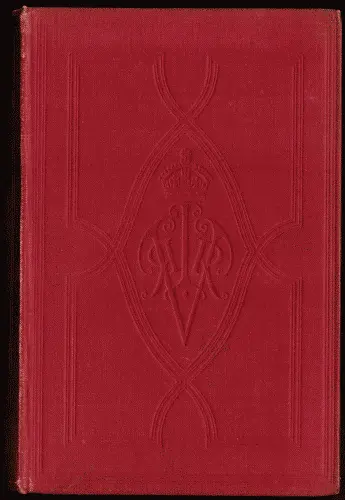
Queen of Great Britain Victoria
BEHIND THE BOOK
This eBook is for the use of anyone anywhere in the United States and most other parts of the world at no cost and with almost no restrictions whatsoever. You may copy it, give it away or re-use it under the terms of the Project Gutenberg License included with this eBook or online at www.gutenberg.org. If you are not located in the United States, you will have to check the laws of the country where you are located before using this eBook. Read the source licence.
The original source file, including credits and licence, is retained by this library. Request an original-format copy at no charge. Please include the book title and Project Gutenberg identifier #28649.
KEEP YOUR CURIOSITY GOING

David Patterson (Spirit) Hatch

David Patterson (Spirit) Hatch

David Patterson (Spirit) Hatch
Cécile Tormay

Moritz Busch
John L. Ransom