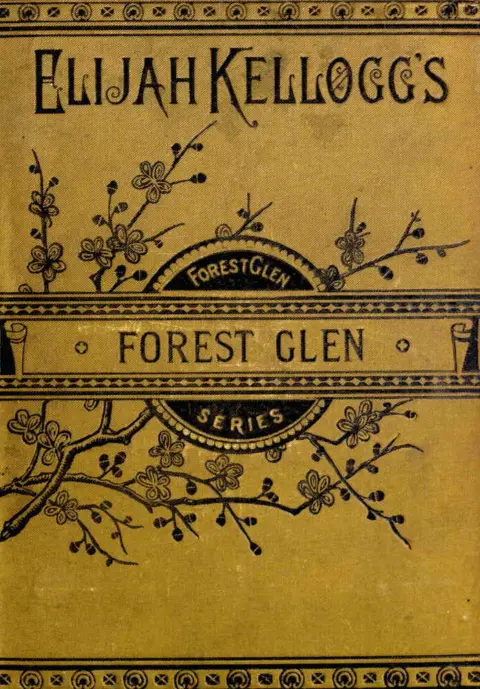
Forest Glen; or, The Mohawk’s Friendship
Elijah Kellogg
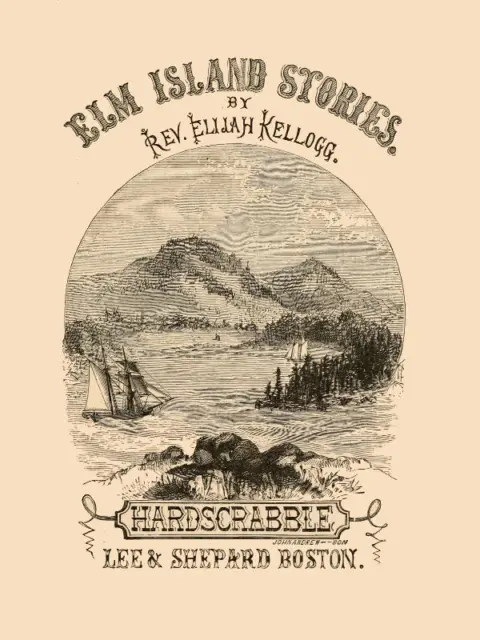
THE CLASSIC COLLECTION · 1870
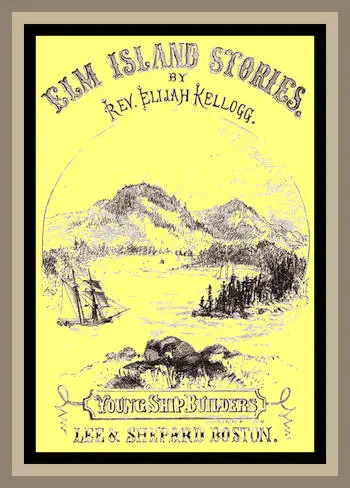
"The Hard-Scrabble of Elm Island" by Elijah Kellogg is a novel written in the late 19th century. The story follows a group of young characters, including Charlie, John, and their friends, who face various challenges and adventures as they transition into manhood on Elm Island. Their experiences involve building a vessel called the Hard-Scrabble and navigating their individual roles within a community marked by growth and innovation. The opening of the book establishes the setting and introduces several key characters, highlighting their personal pursuits and the camaraderie they share. As the boys embark on ambitious projects such as constructing their boat, they express a thirst for adventure and a desire to contribute to their community. The narrative effectively sets the stage for themes of perseverance, friendship, and growth, hinting at the trials and triumphs that await in their journey towards realizing their dreams.
Introduction adapted from the source catalogue; source summaries may be automatically generated.
Free to read · English · 67,009 words · No account needed
MAKE TIME FOR A GOOD BOOK
On by default. Untick to stop anonymous reading totals. Each page counts after 10 seconds in view. How this works.
Anonymous counting is on unless you have switched it off.
“Why, Uncle Isaac,” said Joe, “didn’t a bear kill little Sally Richards only last summer? and all they found of her was just her clothes, feet, and shoes? He had eaten all the rest of her up, and was gnawing her skull when they found and shot him; and wasn’t she my own cousin?--pretty little bright creature as ever lived! I’m sure I should think that was being bloodthirsty.”
“That was a she bear, and had cubs following her; and then they are savage; but at other times a bear will let you alone if you will let him alone. They will always turn out for a man. A woman might pick blueberries all day in a pasture with a bear, and if she let him alone he would let her alone. But if they have young ones, or are starving, or you pen them up, then look out! I’ve heard the Indians say that in the fall, when they are fat and getting sleepy, you may put a stick in their mouths and lead them anywhere; and my mother has picked cranberries in a swamp with six bears, because she wanted the berries before they eat ’em all up, and they never meddled with her. Then they are such comical critters! Why, you can learn a bear anything. When I was a boy, I used to have a cub ’most every winter; and when, by the next fall, they began to be troublesome, and father would shoot them, I cried as if my heart would break.
“There was one,” said he, stirred by the recollections of his youth, unclasping his hands, rising up, turning round, then sitting down again, “that I loved better than all the rest. I used to call him Cæsar, after an old black slave who belonged to one of our neighbors. Father was a great hunter, and so were all the old folks, for they would have starved to death, when they first came, if it had not been for their rifles, and powder was so scarce they could not afford to waste shots. Well, one fall the frost cut off all the acorns, berries, and cranberries, so there was not a berry to be found. The bears were starving. They came down clear from Canada, and swarmed all along the salt water after clams, lobster, flounders, and raccoons. O, I never knew the strength of a bear till then! Captain Rhines was a young man, and mate of a vessel then. My father, and a good many of the neighbors, had sent out fowls, and butter, and cheese, as a venture by him, and got molasses for it. Mr. Rhines, as he was then, had brought it down from Salem with his things, landed it at our point, rolled it up on the beach out of the tide’s way, and left it till the owners could haul it off. It staid there a day or two. One morning father and Uncle Sam Edwards went to haul it up, when they found the head of every barrel smashed in, just as if it had been done with an axe. The bears, which, as I told you, were as thick as hops, had done it with their paws, and upset, eat, and wasted the whole of it. As they were going home, lamenting their hard luck, they met a bear--drunk! John Carver had put up a story-and-a-half log house the day before, and they had left a pailful of new rum, sweetened with molasses, sitting on some boards in the garret. This bear had smelt it, climbed up, and drank it all up. How he got down I don’t know; but it operated so quick he couldn’t get off, and there he was, all stuck over with molasses, where he had been with the rest of them down to the shore. He had got it all over his ears and breast, and the chips, where they had hewed the frame, all stuck to him, and he was the queerest sight you ever saw! He couldn’t walk, but would sit up and look at us, and then roll over on one side, then get back again, and looked so comical, that notwithstanding their sorrow for their loss, they all burst out laughing; and Uncle Sam Edwards, who was a jolly, funny creetur himself, carried on so with him, and made such queer observations, that father laughed till he had to lie down on the ground. None of them had a gun, but they took the stakes out of the sleds, which they had brought to haul the molasses on, and pounded him on the head till they killed him. Uncle Sam, who himself drank a good deal more than was good for him, said, when he gave him the last blow, ‘You see now what stealing and hard drinking will bring a bear to.’ After skinning him, they had a long consultation as to whether he was fit to eat. Father said he didn’t want to eat anything that died drunk; but Uncle Sam said he didn’t die of liquor, for they had killed and bled him, and as for himself, he would eat him; so said John Carver; but father said he wouldn’t; so they gave father the skin, and they took the meat. Father carried the skin home, and mother washed and combed out the fur, and in the cold nights that winter she used to put it on my bed, and it is in our house yet.
Your reading position is saved on this browser. Take it to another device with a library code. Reading pages adapt to text, rather than matching a printed edition.
Elijah Kellogg
Elijah Kellogg
Elijah Kellogg
Elijah Kellogg
BEHIND THE BOOK
This eBook is for the use of anyone anywhere in the United States and most other parts of the world at no cost and with almost no restrictions whatsoever. You may copy it, give it away or re-use it under the terms of the Project Gutenberg License included with this eBook or online at www.gutenberg.org. If you are not located in the United States, you will have to check the laws of the country where you are located before using this eBook. Read the source licence.
The original source file, including credits and licence, is retained by this library. Request an original-format copy at no charge. Please include the book title and Project Gutenberg identifier #54767.
KEEP YOUR CURIOSITY GOING
Coulson Kernahan

Maurice Baring
Frances Wright
Cécile Tormay

Frederic Jesup Stimson

W. H. P. (William Henry Pope) Jarvis