THE CLASSIC COLLECTION✦The Breath of the GodsCLASSIC FREE BOOKS
The Breath of the Gods
Sidney McCall
THE CLASSIC COLLECTION · 1905
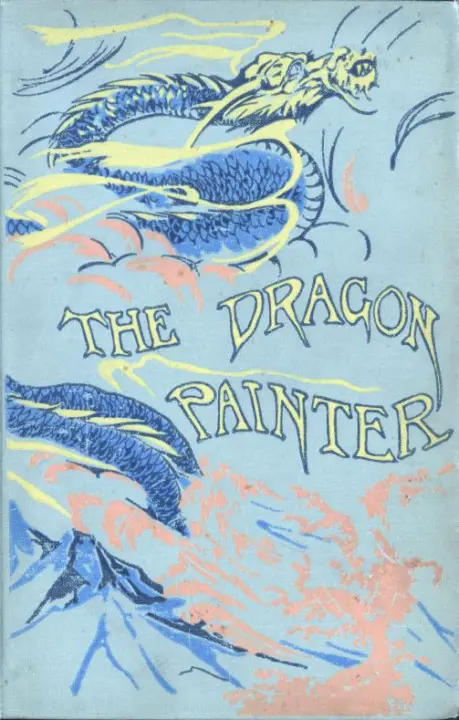
"The Dragon Painter" by Mary McNeil Fenollosa is a novel written in the early 20th century. The story unfolds in the vibrant setting of Tokyo, Japan, highlighting themes of artistic integrity and the struggles of an aging artist, Kano Indara, who is torn between traditional values and the encroachment of modernity. The narrative features Kano and his daughter, Umè-ko, as they navigate the complexities introduced by the arrival of Tatsu, a young painter with a wild spirit and a deep connection to the mythic. At the start of the novel, we are introduced to Kano Indara, an artist who cherishes the beauty of traditional Japanese art and laments the modern influences threatening his craft. Kano’s routine is disrupted when Tatsu arrives, a mysterious young man whose raw talent captivates Kano. As the two men engage, the narrative delves into their contrasting philosophies about art and identity, with Kano desperately seeking a worthy heir to his legacy. Umè-ko, caught in her father's ambitions and her own emerging feelings, becomes a focal point as Kano envisions a future where Tatsu can embody the essence of a true "Dragon Painter," symbolizing the intersection of tradition and alluring potential in the face of change.
Introduction adapted from the source catalogue; source summaries may be automatically generated.
Free to read · English · 43,105 words · No account needed
MAKE TIME FOR A GOOD BOOK
On by default. Untick to stop anonymous reading totals. Each page counts after 10 seconds in view. How this works.
Anonymous counting is on unless you have switched it off.
Kano came back alone,--tired, dusty, and discouraged. Tatsu had escaped him, he said, at the first glimpse of the Sumida River. There was no telling when he might return,--whether he would ever return. To attempt control of Tatsu was like caging a storm in bamboo bars. Mata's eyes narrowed at this recital. "Yet I fervently thank the gods for him," said the speaker, sharply, in defiance of her look.
Restored to comparative serenity, Kano, later in the afternoon, sent for his daughter, and condescended to unfold to her those plans in which she played a vital part.
"Ume-ko, my child, you have always been a good and obedient daughter. I shall expect no opposition from you now," he began, in the manner of a patriarch.
Ume bowed respectfully. "Thank you, dear father. What has arisen that you think I may wish to oppose?"
"I did not say that I expected you to oppose anything. I said, on the contrary, it was something I expected you not to oppose."
"I await respectfully the words which shall tell me what it is I am not to oppose," said Ume-ko, quite innocently, with another bow. Kano put on his horn-rimmed spectacles. There was something about his daughter not altogether reassuring. His prearranged sentences began to slip away, like sand.
"I will speak briefly. I wish you to become the wife of the Dragon Painter, that we may secure him to the race of Kano. He has no name of his own. He is the greatest painter since Sesshu!" The speaker waved his hands. All had been said.
In the deep, following silence each knew that old Mata's ear felt, like a hand, at the crevice of the shoji.
"Father, are you sure,--have you yet spoken to--to--him," Ume-ko faltered at last. "Would he augustly condescend?"
"Condescend!" echoed the old man with a laugh. "Why, he demanded it last night, even in the first hour of meeting. He was angered that I did not give you up at once. He says you are his already. Oh, he is strange and wild, this youth. There are no reins to hold him, but--he is a painter!"
A grunt of derision came from the kitchen wall. Ume sat motionless, but her face was growing very pale.
"Well," said her father with impatience, "do you agree? And what is the earliest possible date?"
"I must consult with Mata," whispered the girl.
"She listens at the crack. Consult her now," said Kano.
Your reading position is saved on this browser. Take it to another device with a library code. Reading pages adapt to text, rather than matching a printed edition.
BEHIND THE BOOK
This eBook is for the use of anyone anywhere in the United States and most other parts of the world at no cost and with almost no restrictions whatsoever. You may copy it, give it away or re-use it under the terms of the Project Gutenberg License included with this eBook or online at www.gutenberg.org. If you are not located in the United States, you will have to check the laws of the country where you are located before using this eBook. Read the source licence.
The original source file, including credits and licence, is retained by this library. Request an original-format copy at no charge. Please include the book title and Project Gutenberg identifier #22884.
KEEP YOUR CURIOSITY GOING
Coulson Kernahan

Maurice Baring
Frances Wright
Cécile Tormay

Frederic Jesup Stimson

W. H. P. (William Henry Pope) Jarvis