
‘Midst the Wild Carpathians
Mór Jókai
THE CLASSIC COLLECTION · 1901
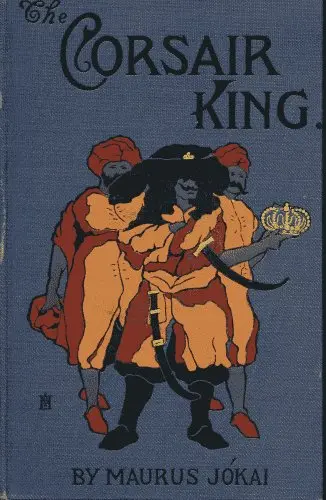
"The Corsair King" by Mór Jókai is a novel written in the late 19th century. The story revolves around Robert Barthelemy, a daring pirate who rises to infamy on the high seas. The narrative encompasses themes of adventure, treachery, and the personal yearning for love and vengeance, all anchored in the turbulent life of piracy amidst shifting allegiances and brutal encounters. At the start of the novel, the crew of a brigantine, led by Captain Rolls, faces dire straits after a storm and a subsequent pirate attack. The scene unfolds with tension as the captain addresses his crew about their recent decisions due to the storm, particularly the grim choice made concerning sick crew members and cargo. As the fight erupts with the notorious pirate Barthelemy and his crew, we see the complexities of loyalty, valor, and survival in a harsh world. The opening introduces not only the immediate dangers of piracy but also hints at Barthelemy's deeper personal motives, setting the stage for his journey from corsair to a man seeking retribution for his lost loved ones.
Introduction adapted from the source catalogue; source summaries may be automatically generated.
Free to read · English · 25,528 words · No account needed
MAKE TIME FOR A GOOD BOOK
On by default. Untick to stop anonymous reading totals. Each page counts after 10 seconds in view. How this works.
Anonymous counting is on unless you have switched it off.
"Pirates," he went on, folding his arms, "I promised you treasures, you promised me blood. Let us both keep our word. Our work here is beggarly. To plunder the ships of peaceful merchants, who surrender their goods without defence! And of what use are they? We merely give them away. I will take you to the home of treasures, the coasts of Africa, where ships laden with gold-dust plough the sea, where the negro kings sleep on golden sand and the negro warriors fight with golden weapons. We will plunder these ships, dig the golden sand from under the sleeping kings, and bury them in it, wrench the precious weapons from the negroes' hands and give them cheaper ones of iron in their hearts."
This pleased the pirates who made up the Commodore's crew, and they responded with murmurs of approval, but the Fortuna's men remained silent, with sullen, defiant faces.
Barthelemy noted the different effect he had produced, and wrapping himself deliberately in his ample cloak, whose folds concealed his hands, he added: "Perhaps there is some one who does not approve this plan, let him state what he has against it. He can speak freely, I will listen."
The crew of the Fortuna began to gather into groups and whisper together; at last two men came forward, hitching their trousers, and stood with resolute faces before the captain.
"Yes, we don't approve of your plan, captain," said one, and the other nodded assent, while their comrades murmured approval.
"You don't approve of it, my children?" asked Barthelemy in his sweetest
tones, "and why?"
"Because we are not tired of having things go well with us and finding booty everywhere without danger," said one.
"Because we don't want to seek unknown risks in unknown gold regions,"
added the other.
"Where there are laws against us."
"And where royal men-of-war protect commerce."
"We don't care for fame, but prizes."
"And we would rather stay here, where people fear us, than go where we
must fear others."
"If you want blood, we can shed as much here for you as you desire."
"But we won't go a thousand miles and seek danger merely to avenge you on the negroes who killed your sweetheart."
Robert Barthelemy's face blanched to a ghastly pallor.
"You wish to stay here, my dear children," he replied in a tone of childlike blandness. "You like it here, and are afraid to go elsewhere. Why, my dear children, just think it over a moment."
"We have already thought of it," they answered defiantly.
"Very well," said Barthelemy, suddenly throwing back his cloak, and the next instant he had sent a bullet through the heads of both.
Your reading position is saved on this browser. Take it to another device with a library code. Reading pages adapt to text, rather than matching a printed edition.
Mór Jókai
Mór Jókai

Mór Jókai
Mór Jókai
BEHIND THE BOOK
This eBook is for the use of anyone anywhere in the United States and most other parts of the world at no cost and with almost no restrictions whatsoever. You may copy it, give it away or re-use it under the terms of the Project Gutenberg License included with this eBook or online at www.gutenberg.org. If you are not located in the United States, you will have to check the laws of the country where you are located before using this eBook. Read the source licence.
The original source file, including credits and licence, is retained by this library. Request an original-format copy at no charge. Please include the book title and Project Gutenberg identifier #26865.
KEEP YOUR CURIOSITY GOING
Coulson Kernahan

Maurice Baring
Frances Wright
Cécile Tormay

Frederic Jesup Stimson

W. H. P. (William Henry Pope) Jarvis