THE CLASSIC COLLECTION✦An outlaw’s diary: the CommuneCLASSIC FREE BOOKS
An outlaw’s diary: the Commune
Cécile Tormay
THE CLASSIC COLLECTION · 1905
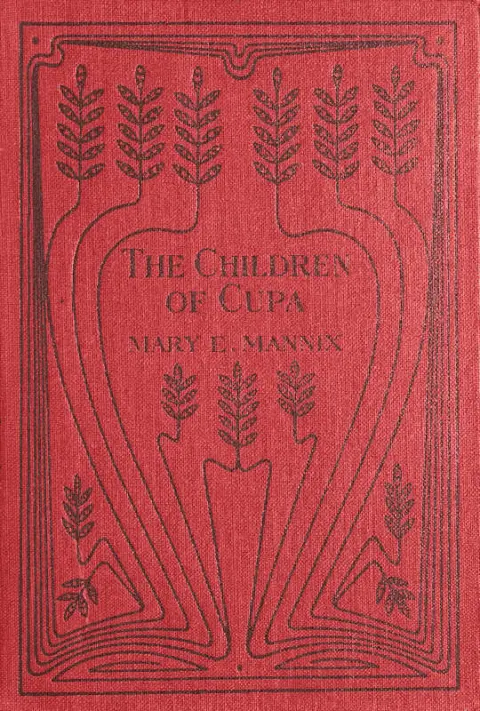
"The Children of Cupa" by Mary E. Mannix is a novel written in the early 20th century. The story centers around the Page family, specifically Mrs. Page, who is recovering from illness, and her two children, Nellie and Walter, as they embark on a summer camping trip to Warner's Hot Springs in California. Alongside the family's adventures, the narrative highlights the experiences of the local Cupeño Indians, who face the injustice of being evicted from their ancestral lands. At the start of the book, the Page family discusses plans to take Mrs. Page to a healing location while navigating the complexities around the rights of the Cupeño Indians. Through dialogue among family members and their aunt, we learn about the cool springs, the camping arrangements, and the children's excitement about the idea of living in an Indian village. The conversations touch on sensitive topics like the dislocation of Native people and health, blending the themes of family bonding with cultural conflict and the historical context of land ownership in California. As the family begins their journey, the children look forward to exploring their new environment and interacting with the indigenous community, setting the stage for a rich exploration of both personal and cultural narratives.
Introduction adapted from the source catalogue; source summaries may be automatically generated.
Free to read · English · 32,835 words · No account needed
MAKE TIME FOR A GOOD BOOK
On by default. Untick to stop anonymous reading totals. Each page counts after 10 seconds in view. How this works.
Anonymous counting is on unless you have switched it off.
"Many are like them," rejoined Mauricio. "The Señora has done much good in her time. Once they were a very rich family."
"How very dark the girl and boy are," said Mrs. Page.
"The boy, mother--the boy looks like Francisco. Don't you think so,
Mauricio?" asked Walter.
"I have never thought of it," the Indian replied. Francisco said
nothing.
They had not gone far when they met two Indians, a man and a woman, both considerably advanced in years, carrying bundles of fagots on their shoulders.
"Ay, ay!" called Mauricio. "Como estan ustedes, Concilio Valeriano?"
The couple halted.
"Ay, ay, Mauricio! We did not know you. We are not so young as we once were," the old man said. "We do not see so well."
"But you are strong and well still," rejoined Mauricio. "We have been at the camp. We have seen the Señora. These ladies and gentlemen I have been giving a ride to-day."
"Well, well," said the old woman; "and is this not Francisco?"
"Yes," said the boy; "am I grown tall?"
"Yes, yes, and handsome, too!" exclaimed the old woman. "We are glad to have seen you. How is Cecilio, and Maria, and Juan Diego?"
"All are well," replied Mauricio. "Adios."
"Adios!" rejoined the pair and, bowing politely to the occupants of
the wagon, they passed on.
"They are the servants of the Señora," said Mauricio, when they had resumed their way. "They have lived many, many years with her. They are related to us, both husband and wife."
The moon had risen when they reached the camp. Charlie was awaiting them with a good dinner. Mrs. Page insisted that Mauricio and Francisco partake.
When the rest of the family had retired Mr. Page, not feeling sleepy, went out for a walk and a smoke.
Near the springs he met the stage-driver, about to fill a pail with hot water. After having told him of their drive and the meeting with the Almirantes, Mr. Page said:
"They seem to be very fine people."
"They are--what is left of them," rejoined old Chadwick. "Forty year I've known them. The old Señora is as proud as Lucifer. Captain, I can tell you that, nice as she is. She's never got over that mistake of her son--never will; though she's a mother to both them children."
"What mistake was that?" inquired Mr. Page.
"Why, didn't you notice how dark them two are? Didn't Mauricio tell
you nothing about them?"
"No, he did not."
"Why, they're part Indian. Couldn't you see it? Notice how fair the
Señora is beside them."
"Yes, but we never surmised that they had Indian blood," said Mr. Page.
Your reading position is saved on this browser. Take it to another device with a library code. Reading pages adapt to text, rather than matching a printed edition.
BEHIND THE BOOK
This eBook is for the use of anyone anywhere in the United States and most other parts of the world at no cost and with almost no restrictions whatsoever. You may copy it, give it away or re-use it under the terms of the Project Gutenberg License included with this eBook or online at www.gutenberg.org. If you are not located in the United States, you will have to check the laws of the country where you are located before using this eBook. Read the source licence.
The original source file, including credits and licence, is retained by this library. Request an original-format copy at no charge. Please include the book title and Project Gutenberg identifier #55852.
KEEP YOUR CURIOSITY GOING
Cécile Tormay

Moritz Busch
Coulson Kernahan
John L. Ransom

Maurice Baring
Frances Wright