THE CLASSIC COLLECTION✦The art of fictionCLASSIC FREE BOOKS
The art of fiction
Walter Besant
THE CLASSIC COLLECTION · 1898
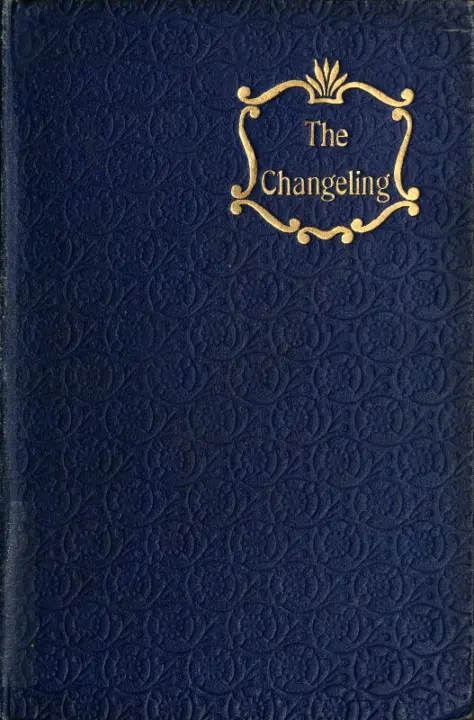
"The Changeling" by Walter Besant is a novel written in the late 19th century. The narrative revolves around themes of identity and the consequences of choices surrounding adoption and substitution of children, particularly focusing on a young mother seeking a solution to her grief after the loss of her son. The story unfolds with a prominent lady who is driven by desperation to adopt a child, leading to a complex web of emotions and moral dilemmas. The opening of the novel introduces us to a doctor who assists a young lady in adopting a child, as she is grieving her own deceased son. The scene is filled with tension as the lady expresses her sympathy for the child's biological mother, revealing the emotional weight of her decisions. The dialogue between the doctor and the lady hints at deeper themes of heredity and the unknown consequences of her actions. As the narrative progresses, it is clear this seemingly clandestine transaction sets off a chain of events that intertwines their lives irrevocably, setting the stage for explorations of familial bonds, identity, and societal expectations.
Introduction adapted from the source catalogue; source summaries may be automatically generated.
Free to read · English · 84,769 words · No account needed
MAKE TIME FOR A GOOD BOOK
On by default. Untick to stop anonymous reading totals. Each page counts after 10 seconds in view. How this works.
Anonymous counting is on unless you have switched it off.
She laughed. "Oh! There are actresses and actresses. And some elevate their Art, and some degrade it. Now, let me see. Oh, father is dead, poor dear! I told you. And the rest of the family---- Well, you saw for yourself, cousin, they are not exactly the kind of people for a person of your consideration. You should lend them all some money--not much--and make them promise to pay it back on a certain day--next Monday week, at ten o'clock. It's a certain plan. Then you'll have no further trouble with them. Otherwise, they'll crowd round you like leeches."
"I can't let my own flesh and blood starve."
"Starve! Rubbish! They won't starve! What have they been doing while you've been away? Unless you encourage them not to work." And now she sank gracefully upon a footstool, and took her cousin's hands. "Oh," she said, "it is so nice to have a relative of whom one may be proud, after all those cousins. Oh, it must be a dreadful thing to have such lots of money! Why, I've got nothing!"
"You've had no champagne," said Cousin John, lifting his Jeroboam.
"Thank you, Cousin John, I don't drink champagne. Well, now, what can I do for you this afternoon?"
"I don't know, my dear. We neither of us know much about London, and we just wander about, for the most part, or drive about, and wonder where we are."
The girl jumped up. "Order a carriage and pair instantly. I shall drive you round and show you the best shops. You are sure to want something. As for me, remember that I want nothing. An actress appears in costume which the management finds. You, however, Alice, are different. You must dress as becomes your position."
"My dear child," said Alice, in the very first shop, "you must let me give you a dress--you really must."
"I don't want it, I assure you," she laughed. "But if it pains you not to give me one, why, I will take it."
She did take it. That evening there arrived at the boarding-house, addressed to Miss Pennefather, first a bonnet, for which five guineas would be cheap; a dress, the price of which the male observer could not even guess; a box of kid gloves, a mantle, and two or three pairs of boots.
"And, oh," said the girl, when she left the hotel that night, "what a lovely thing it is to feel that there will be no horrid mercenary considerations between us! You will admire my Art, but I shall not envy your money. Cousin John, admit that I am better off than you--one would rather be admired than envied."
Your reading position is saved on this browser. Take it to another device with a library code. Reading pages adapt to text, rather than matching a printed edition.
Walter Besant
Walter Besant

Walter Besant

Walter Besant
BEHIND THE BOOK
This eBook is for the use of anyone anywhere in the United States and most other parts of the world at no cost and with almost no restrictions whatsoever. You may copy it, give it away or re-use it under the terms of the Project Gutenberg License included with this eBook or online at www.gutenberg.org. If you are not located in the United States, you will have to check the laws of the country where you are located before using this eBook. Read the source licence.
The original source file, including credits and licence, is retained by this library. Request an original-format copy at no charge. Please include the book title and Project Gutenberg identifier #49035.
KEEP YOUR CURIOSITY GOING
Coulson Kernahan

Maurice Baring
Frances Wright
Cécile Tormay

Frederic Jesup Stimson

W. H. P. (William Henry Pope) Jarvis