THE CLASSIC COLLECTION✦The art of fictionCLASSIC FREE BOOKS
The art of fiction
Walter Besant
THE CLASSIC COLLECTION · 1898
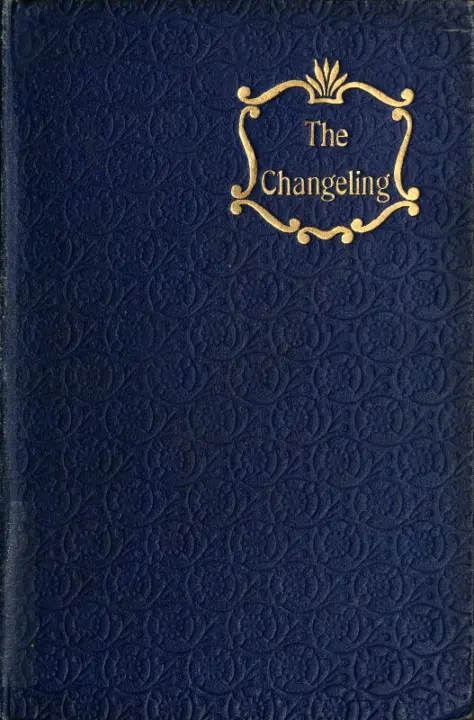
"The Changeling" by Walter Besant is a novel written in the late 19th century. The narrative revolves around themes of identity and the consequences of choices surrounding adoption and substitution of children, particularly focusing on a young mother seeking a solution to her grief after the loss of her son. The story unfolds with a prominent lady who is driven by desperation to adopt a child, leading to a complex web of emotions and moral dilemmas. The opening of the novel introduces us to a doctor who assists a young lady in adopting a child, as she is grieving her own deceased son. The scene is filled with tension as the lady expresses her sympathy for the child's biological mother, revealing the emotional weight of her decisions. The dialogue between the doctor and the lady hints at deeper themes of heredity and the unknown consequences of her actions. As the narrative progresses, it is clear this seemingly clandestine transaction sets off a chain of events that intertwines their lives irrevocably, setting the stage for explorations of familial bonds, identity, and societal expectations.
Introduction adapted from the source catalogue; source summaries may be automatically generated.
Free to read · English · 84,769 words · No account needed
MAKE TIME FOR A GOOD BOOK
On by default. Untick to stop anonymous reading totals. Each page counts after 10 seconds in view. How this works.
Anonymous counting is on unless you have switched it off.
"I didn't quarrel with Alice," said the bankrupt. "I never saw her nor heard of her. And I didn't quarrel with Cousin Will. Why," he added conclusively, "I borrowed money of him."
"If she had been in want," John Haveril added, "would you have helped her because she was your cousin?"
"Since I, for one, never heard that she was in want"--again the teacher--"how can I tell what I should have done? It's like this, Mr. Haveril--you must know it yourself. It isn't respectable to have cousins ragged and in want. If I could afford it, I would give them money to go away. Look at that Object"--she pointed to the bankrupt. "Object, I call him."
"Object yourself!" retorted the broken one.
"Is he a credit to the family? No; I've got no money to spare, or I'd pay him to go right away. Same with Cousin Alice. Don't talk to us about cousinly love. We like respectability."
"Very good," said John Haveril.
"Cousin Alice has brought you a lot of relations," Alma continued, emboldened. "Here we are, fawning, like Cousin Charles; begging, like Cousin Alfred; and telling you the truth, like me."
"One, sir, one at least"--this was, of course, the draper--"has ever been ready to acknowledge the tie of blood."
"I'm sure," said the pew-opener, "if Alice had come to my humble
place, which she never did----"
"Never," her daughter added.
"--there'd have been a cup of tea made in no time, and a chair by the
fire."
"You have among you"--John Haveril pointed to the bankrupt--"a cousin who is poor and distressed. What have you done for him? Which of you has helped this unfortunate man?"
"Not one," the unfortunate replied for all; while Charles regarded his fallen relation vindictively. "Not one," the bankrupt continued. "And now your guilty hearts are exposed and your greedy natures brought to light. Grabbers and grubbers--every one. And this to me--to me--Mr. Haveril, the only gentleman of the lot! What do they care about gentlemen?"
"You ask me, all of you, to help you with gifts or loans of money. On what pretence? Because I am your cousin's husband----"
"Cousin-John-by-marriage," said the pew-opener. "You took us over as your own when you married Alice. You married into the family. That you can't deny."
"If that is the reason why I am to help you, why don't you help this
cousin?"
"Hear! hear!" from the cousin indicated.
"He is in the last stage of poverty and misery."
"Because it serves him right." The draper once more stepped forward, while the rest of the family murmured assent.
Your reading position is saved on this browser. Take it to another device with a library code. Reading pages adapt to text, rather than matching a printed edition.
Walter Besant
Walter Besant

Walter Besant

Walter Besant
BEHIND THE BOOK
This eBook is for the use of anyone anywhere in the United States and most other parts of the world at no cost and with almost no restrictions whatsoever. You may copy it, give it away or re-use it under the terms of the Project Gutenberg License included with this eBook or online at www.gutenberg.org. If you are not located in the United States, you will have to check the laws of the country where you are located before using this eBook. Read the source licence.
The original source file, including credits and licence, is retained by this library. Request an original-format copy at no charge. Please include the book title and Project Gutenberg identifier #49035.
KEEP YOUR CURIOSITY GOING
Coulson Kernahan

Maurice Baring
Frances Wright
Cécile Tormay

Frederic Jesup Stimson

W. H. P. (William Henry Pope) Jarvis