
The Writing of News A Handbook with Chapters on Newspaper Correspondence and Copy Reading
Charles G. (Charles Griffith) Ross
THE CLASSIC COLLECTION · 1898
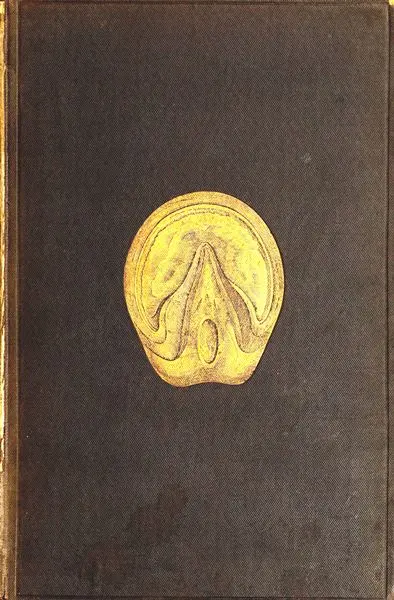
"The Art of Horse-Shoeing: A Manual for Farriers" by William Hunting is a comprehensive guidebook on the specialized craft of horse-shoeing written in the late 19th century. The work serves as an essential resource for horse owners, farriers, and veterinary students, detailing the principles and practices crucial to the proper shoeing of horses. The manual emphasizes the significance of understanding the structure and function of a horse's hoof in order to execute effective shoeing techniques. The opening of the book introduces the field of farriery, which is portrayed not merely as an art but a specialized practice requiring extensive knowledge of horse anatomy and mechanics. It underlines that a farrier’s role goes beyond simply applying a shoe; it involves careful preparation of the hoof to ensure it retains its natural form and function. Dangerous consequences can arise from improper shoeing, leading to severe injuries over time, highlighting the necessity of proper training and awareness in the craft. This chapter establishes a foundation for the detailed lessons that follow, which delve into the nuances of hoof structure, preparation techniques, and the intricate relationship between hoof anatomy and shoeing outcomes.
Introduction adapted from the source catalogue; source summaries may be automatically generated.
Free to read · English · 34,874 words · No account needed
MAKE TIME FOR A GOOD BOOK
On by default. Untick to stop anonymous reading totals. Each page counts after 10 seconds in view. How this works.
Anonymous counting is on unless you have switched it off.
Screw Frost Sharps, 87
Screwing Taps, 89
Seated Shoes, 52
Section of Foot, 22
"Seedy-toe", 106
Selection of Shoes, 65
Sensitive Frog, 19
" Laminæ, 17
" Sole, 18
Sharping, 83
Sharps without Screw, 88
Sheather's Pad, 109
Shoe for Sandcrack, 102
" Forging, 98
" Cutting, 95
Shoeless Horses, 6
Shoeing Flat Feet, 100
" Convex Soles, 101
Sole, The, 12
"Speedy Cut", 97
Steel Sharps, 87
"Stumped-up" Toe, 45
Surface Fitting, 70
The Hoof, 9
The "Quick", 16
Thickness of Shoes, 50
Three-quarter Shoe, 93
Tips, 77
Toeing Knife, 35
Toe-pieces, 59
Toe Sharps, 86
Treads, 93
Turned-in Wall, 106
Twisted Feet, 41
Uneven Bearing-surface, 45
" Ground-surface, 41
Urquhart's Bar-pad, 110
Various bearings of Shoes, 74
Wall, The, 11
Wear of Hoof, 21
Wedge-pad, The, 110
Weight of Shoes, 49
Width of ", 50
Patent Horse-Shoe Pads
Prevent Slipping, Cure Corns, Contracted and Diseased Feet.
Economise the wear and tear of legs through absence of concussion.
Developes the healthy functions of the feet.
Cure Bent Legs, Sprained Tendons--a great saving in horse flesh.
SIZES--FROG AND BAR 0 to 6; GRIP AND RING 1 to 5.
Hind Shoe Pads kept in stock to order. Pads made to any size required at shortest notice.
"India-rubber pads on leather enable many horses, whose feet are not sound, to work free from lameness; they also tend to prevent slipping. This is especially the case with Urquhart's 'bar pads,' respecting which my veterinary friends at Manchester, where they are largely used, inform me that they prevent slipping quite as much if not more, than the Charlier plan of shoeing horses."--Mr. T. D. BROAD, F.R.C.V.S., of Bath.
G. URQUHART,
6 Derby Street, Mayfair.
THE
BRITISH & COLONIAL
Horse-Shoe & Machine
COMPANY Ltd.
Works Address--
GLOBE IRON WORKS,
WALSALL,
STAFFORDSHIRE.
Office Address--
3 BILLITER BUILDINGS,
BILLITER STREET,
LONDON, E.C.
All kinds and sizes of Fullered and Stamped
Shoes kept in Stock.
Nails, Rasps, Pads, and all other Farriery
requisites =at lowest prices=.
=N.B.--To prevent mistakes when ordering note the following=:--
=A= Width of Shoe across the widest part.
=B= Width of Iron required at Toe.
=C= Thickness of Iron required at Toe.
EXAMPLE 5-1/2-in. × 7/8-in. × 1/2-in.
=A= =B= =C=
Each size should vary 1/4-in.
=EXAMPLE= 5-in. 5-1/4-in. 5-1/2-in. 5-3/4-in. 6-in. and so on.
Capewell Horse Nails "THE BEST IN THE WORLD"
Highest Award
Chicago Exhibition,
1893.
Gold Medal
Mid-Winter Exhibition,
San Francisco, 1894.
The Capewell Nails are:--
"The Best Driving Nails,"
"The Best Nails to Hold," and
"The Safest Nails to Use."
They never split in driving,
They never buckle in the hardest hoof.
They are flexible to clinch, and the clinch holds against any strain
in service.
Their perfect points make a clean cut hole in the most brittle hoof.
They are absolutely uniform in length, breadth, and thickness.
Your reading position is saved on this browser. Take it to another device with a library code. Reading pages adapt to text, rather than matching a printed edition.
BEHIND THE BOOK
This eBook is for the use of anyone anywhere in the United States and most other parts of the world at no cost and with almost no restrictions whatsoever. You may copy it, give it away or re-use it under the terms of the Project Gutenberg License included with this eBook or online at www.gutenberg.org. If you are not located in the United States, you will have to check the laws of the country where you are located before using this eBook. Read the source licence.
The original source file, including credits and licence, is retained by this library. Request an original-format copy at no charge. Please include the book title and Project Gutenberg identifier #49077.
KEEP YOUR CURIOSITY GOING
Charles G. (Charles Griffith) Ross
Hannah Webster Foster

Emily Lawless
Edwin Hamlin Carr

Charles De Lano Hine
Andrew Ure