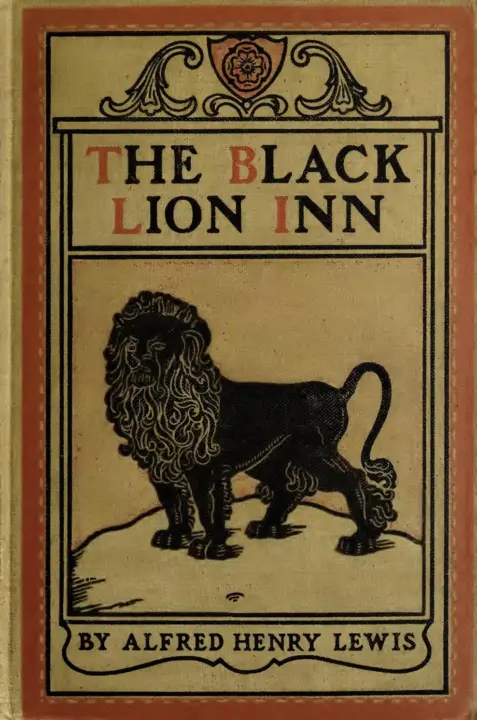
The Black Lion Inn
Alfred Henry Lewis
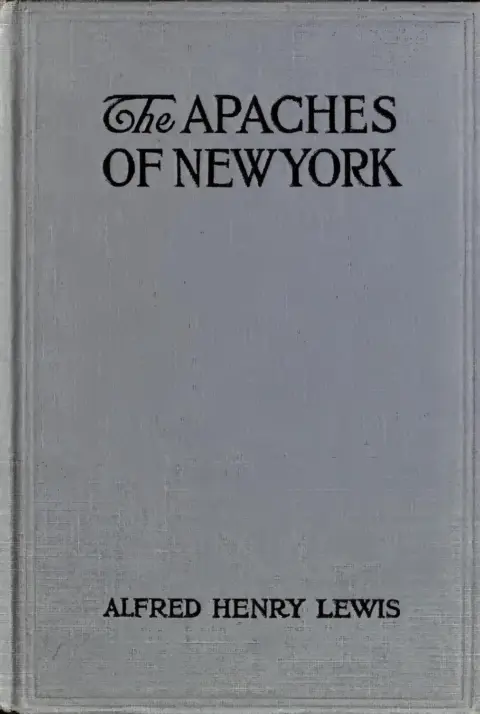
THE CLASSIC COLLECTION · 1912
"The Apaches of New York" by Alfred Henry Lewis is a collection of narratives exploring the lives of gangsters in early 20th-century New York City. Through vignettes of colorful characters and their exploits, the book delves into the gritty underbelly of urban life, illustrating the contrasts between different social strata and the moral ambiguity faced by its protagonists. The opening of the book introduces Chick Tricker, a figure involved in the city's nightlife, as he navigates bars and gangland encounters. The reader is thrust into Chatham Square, where Tricker interacts with various characters including a policeman and a street musician, showcasing the interconnectedness of crime, law enforcement, and the everyday lives of New Yorkers. The scene unfolds with tension brewing between rival gang members, hinting at imminent violence, encapsulating the atmosphere of danger and resilience that permeates the stories to come. This portion sets the stage for a deeper exploration of the lives and struggles of those living outside the law in a richly detailed urban landscape.
Introduction adapted from the source catalogue; source summaries may be automatically generated.
Free to read · English · 59,094 words · No account needed
MAKE TIME FOR A GOOD BOOK
On by default. Untick to stop anonymous reading totals. Each page counts after 10 seconds in view. How this works.
Anonymous counting is on unless you have switched it off.
Jackeen sneered out the words. The Doc pulled tranquilly at his pipe; while May stood voiceless, staring with scared eyes.
“I'd ought to peg a bullet into you,” continued Jackeen, addressing May.
He had drawn his heavy gun. May stood as if the sight of the weapon had frozen her. Jackeen brought it down on her temple. The Doc never moved. Peace--the peace of the poppy--was on his brow and in his heart. May fell to the floor, her face a-reek with blood.
“Now you've got yours!” said Jackeen.
May struggled unsteadily to her feet, and began groping for the door.
“That ought to do youse till I get back,” was Jackeen's good-by. “You'll need a few stitches for that.”
Unruffled, untroubled, the Doc drew blandly at the mouthpiece of the
pipe.
Jackeen surveyed him.
“Go on!” cried Rice; “hand it to him, if you're goin' to!”
Rice was becoming fretted. He hadn't Jackeen's sustaining interest. Besides, he was thinking of that word from the Central Office, and how much safer he would be with Beansey, on the Hoboken side of the Hudson.
Jackeen took a step nearer. The Doc smiled, eyes just showing through
the dreamy lids.
“Turn it loose!” cried Rice.
The gun exploded five times, and five bullets ploughed their way into
the Doc's body.
Not a cry, not a movement! The bland, pleased smile never left the sallow face. With his mouth to the pipestem, the Doc dreamed on.
In the street, Jackeen and Rice passed Lulu. As they brushed by her, Rice fell back a pace and whispered:
“He croaked th' Doc.”
Lulu gave a gulping cry and hurried on.
“Is that you, Lulu?” asked the Doc, his drug-uplifted soul untouched, untroubled by what had passed, and what would come. Still, he must have dimly known; for his next words, softly spoken, were: “I'm sorry about Mike's teeth! Cook me a pill, dear; I want one last good smoke.”
It was a perfect day for a funeral. The thin October air had in it a half-chill, like the cutting edge of the coming winter, still six weeks away. The leaves, crisp and brown from early frosts, seemed to rustle approval of the mournful completeness of things.
Florists' shops had been ransacked, greenhouses laid waste, the leading carriages were moving jungles of blossoms. It was magnificent, and as the procession wound its slow way into Calvary, the heart of the undertaker swelled with pride. Not that he was justified; the glory was the glory of Paper-Box Johnny, who stood back of all this gloomy splendor with his purse.
Your reading position is saved on this browser. Take it to another device with a library code. Reading pages adapt to text, rather than matching a printed edition.
Alfred Henry Lewis
Alfred Henry Lewis
Alfred Henry Lewis
Alfred Henry Lewis
BEHIND THE BOOK
This eBook is for the use of anyone anywhere in the United States and most other parts of the world at no cost and with almost no restrictions whatsoever. You may copy it, give it away or re-use it under the terms of the Project Gutenberg License included with this eBook or online at www.gutenberg.org. If you are not located in the United States, you will have to check the laws of the country where you are located before using this eBook. Read the source licence.
The original source file, including credits and licence, is retained by this library. Request an original-format copy at no charge. Please include the book title and Project Gutenberg identifier #51909.
KEEP YOUR CURIOSITY GOING
Coulson Kernahan

Maurice Baring
Frances Wright
Cécile Tormay

Frederic Jesup Stimson

W. H. P. (William Henry Pope) Jarvis